Profile and significance
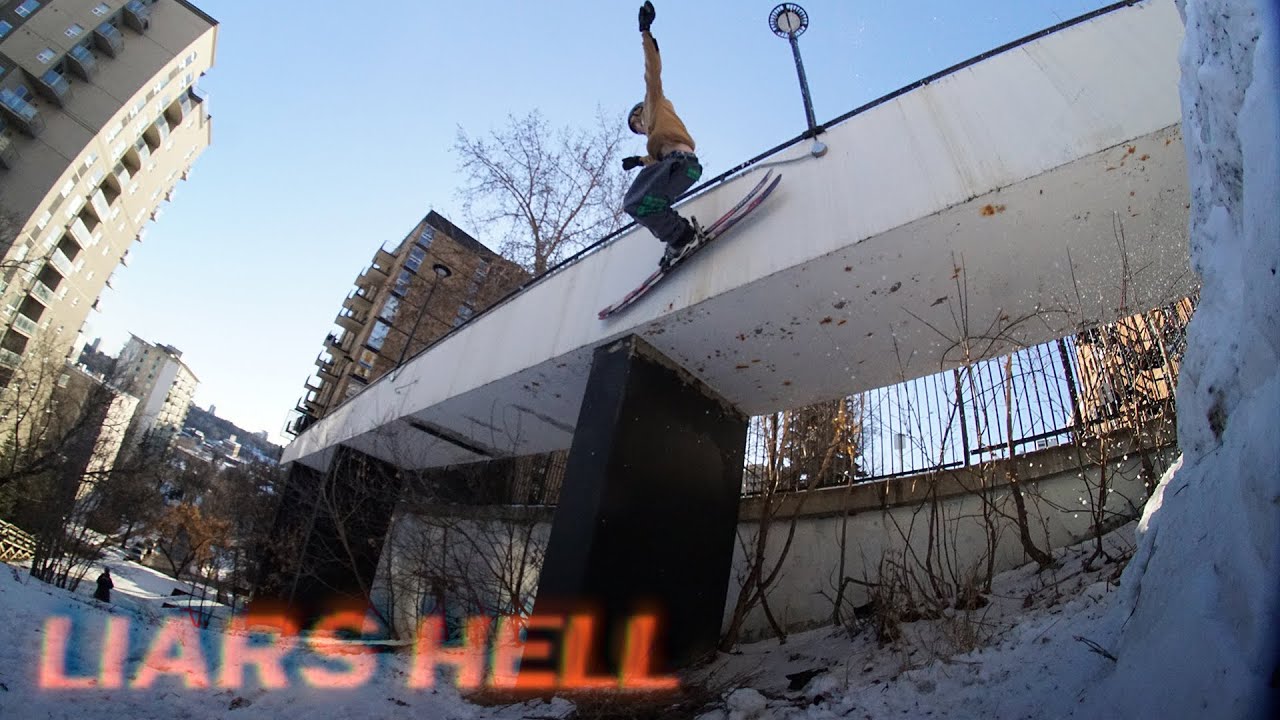
Eric Law is a freeski rider whose most verifiable public footprint comes through community video projects rather than through major international contest rankings. He is credited as one of the skiers in “LIARS HELL,” a street skiing video described as being from Edmonton, Alberta, and he also appears in the rider list for “temporarily away on business” (released January 2024). Earlier, he was credited as one of the skiers in “Just your average edit,” filmed at Vista Ridge in Fort McMurray (published January 2016). Those credits establish a simple, meaningful baseline: he is a real, documented participant in Alberta freeski media, spanning multiple seasons and different local hills.
That matters for a video-first freeski audience because a huge part of modern freeski culture is built outside of formal competition. Street skiing and park laps are where style is refined, where crews learn to film, and where progression becomes visible through edits. Law’s presence in these projects places him in the category of scene-level athletes who help keep a local community active and watchable.
Competitive arc and key venues
There is not enough reliably documented public information to describe a competition résumé for Eric Law in the way you would for a World Cup or X Games athlete, and it would be wrong to guess. Instead, his “arc” is best understood through the timeline of credited edits. In 2016, he was listed among the skiers in a Fort McMurray park edit filmed at Vista Ridge, a hill that operates as a central training and community hub for local sliding sports. Later, he appears in the credits for a 2024 crew edit and in “LIARS HELL,” framed as an Edmonton street skiing project. That shift in documentation from a hill-focused park edit toward street-oriented releases is a common pathway in freeskiing: riders start by stacking reps in the terrain park, then bring that precision into urban features when the crew, access, and winter timing line up.
Venue context matters here because it explains the type of skiing you’re likely to see. A place like Vista Ridge offers the repeatable laps that build consistency, while an urban setting like Edmonton tends to reward spot selection, speed control on imperfect run-ins, and the patience to return until a trick looks clean on camera. If you want a useful map of what shaped his skiing, start with those two anchors: local hill reps and street-film conditions.
How they ski: what to watch for
Because Eric Law’s clearest public documentation is as a credited skier in park and street edits, the most honest evaluation lens is the one used for street and terrain-park freeski: execution, composure, and how “finished” a clip looks. In slopestyle and big air, viewers often talk about amplitude and trick difficulty. In urban/street skiing, a lot of the judgment shifts to how naturally the trick fits the feature and how controlled the skier looks from approach through exit.
When you watch skiing from this lane, look for the fundamentals that make rail and street clips hold up on rewatch. Is the approach speed decided early, or does it look rushed at the last second? Does the upper body stay calm through contact, or does it fight the feature? Does the landing carry flow, or does it look like survival? Those cues tell you more than any single trick name. The projects Law is credited in are built around that kind of scrutiny: they are meant to be watched for style as much as for progression.
Resilience, filming, and influence
Street skiing is one of the most demanding formats in freeskiing, even when the tricks are not described publicly. Getting a clip typically means repeated attempts, negotiating access, dealing with weather that changes by the hour, and accepting that the best-looking version may come long after the first landed version. Being credited in a street project from Edmonton signals participation in that grind. It is not “highlight reel” skiing in the easy sense; it is process-heavy skiing where patience and crew coordination are part of the performance.
Influence at this level tends to be local and practical. A rider’s impact is not measured by broadcast exposure, but by whether they show up season after season, contribute clips that raise the standard inside a crew, and help a scene stay active. Law’s documented appearances across the 2016 to 2024 window suggest continuity: a real presence in the kind of community output that keeps Alberta freeski visible to people who follow edits, not just contests.
Geography that built the toolkit
Alberta produces a distinctive freeski toolkit because many riders develop in environments where vertical is limited but winter is long. That usually means high-frequency sessions, short-lap efficiency, and a strong focus on rails and park features that can be hit repeatedly. Vista Ridge is a good example of the kind of local hill that supports that progression: it’s close to the community, it’s session-friendly, and it provides the repetition that turns “can land it” into “can land it clean.”
On the street side, Edmonton adds a different education: urban features demand precision, and the filming process forces a higher standard of control. If you’re trying to understand what kind of skier emerges from that geography, think of a blend of park discipline and street problem-solving. That blend is exactly what you would expect from someone credited in both a hill-based edit in Fort McMurray and a street skiing project based in Edmonton.
Equipment and partners: practical takeaways
There is not enough reliably verifiable public information to name specific sponsors, ski models, or a confirmed gear setup for Eric Law, and it would be inaccurate to invent one. What can be stated safely is the equipment logic that generally supports the type of skiing he is documented in. Park and street freeskiing typically rewards durability, predictable swing weight, and a centered feel that makes skiing switch as natural as skiing forward. Reliability matters because the format depends on repeats: you want a setup that feels the same on attempt one and attempt fifteen, especially in cold conditions and on firm landings.
The “partners” that matter most in this lane are usually human rather than corporate: the filmer, the crew, and the people who help keep sessions productive. If you’re a progressing skier looking for takeaways, focus less on brand chasing and more on building a repeatable system: consistent boot fit, a tune that matches rails and hardpack, and a crew rhythm that lets you actually film and review your skiing. That is how edits get made, and that is how style gets sharpened.
Why fans and progressing skiers care
Fans care about riders like Eric Law because freeski culture is bigger than finals and podiums. A lot of what makes freeski compelling is the texture of real winters: local hills, small crews, street spots, and the satisfaction of a clean clip that took work. Law’s documented credits in community edits provide a genuine window into that side of the sport, especially within Alberta’s park-and-street ecosystem.
Progressing skiers should care because the pathway is relatable. You can see the outline of how skiing develops when it is built through repetition and filming: start with park laps at a local hill like Vista Ridge, then apply those fundamentals to more demanding street environments like Edmonton. The lesson is simple and useful: clean execution is a skill, and it is trained through reps, feedback, and patience—not only through bigger tricks.