Dean bercovitch
Profile and significance
Dean Bercovitch is a Canadian freeski original who parlayed contest experience into a distinctive career as a trick technician, coach, and film-friendly jumper. Born in 1992 and raised in Québec—cutting his first turns at the small Laurentian hill of Belle Neige—he migrated west to British Columbia to chase park mileage at Whistler Blackcomb. After seasons on the FIS pathway, Bercovitch shifted his focus to big-air style, trampoline-driven training, and on-camera progression pieces that made his skiing legible to a wide audience. His official athlete bio with Canada’s national program notes a move to Whistler at 19 to concentrate on slopestyle, a later emphasis on big air, and retirement from formal competition after injury—followed by a turn toward coaching and content that explains the mechanics behind flips and spins in a way viewers can actually use.
The premise behind his influence is simple: precision plus pedagogy. Bercovitch became a recognizable face in the tutorial world through the training platform at Ski Addiction, where he hosted how-to segments and off-snow progressions that mirror the steps elite riders use on snow. On the filming side, he popped up in brand-backed projects like KSM Collective’s “Wintertide,” carried on the Line Skis team blog, and he regularly turns spring laps and camp weeks into short edits that travel well beyond his home mountains. The result is a rider who matters as much for his clarity—what to do, in what order, and why—as for any single headline trick.
Competitive arc and key venues
Bercovitch’s competitive years included slopestyle and big air starts recorded under his Canadian FIS profile, culminating in a self-described pivot toward big-air variations before injuries nudged him toward coaching. That arc reads like a modern freeski education: early Québec roots, western-Canada park immersion, and high-pressure jump sessions that inform both contest runs and film shots. Summer after summer, he’s part of the coaching-and-laps rhythm around Whistler that includes Momentum Camps and the broader training loop of valley trampolines and dryland facilities such as Airhouse Squamish. Those venues—firm Laurentian approaches, Whistler’s higher-speed park lines, and controlled off-snow environments—explain why his trick shape looks deliberate at full speed.
Project milestones help fill in the picture. His name sits among the athletes in “Wintertide,” a coastal-Canada collective released via Line Skis, and he has featured in rider-driven sessions that value clean mechanics over scorecards. Even when the camera isn’t on snow, his tutorials carry the same cadence as a good slopestyle run: build foundations, layer difficulty, protect momentum, and land centered.
How they ski: what to watch for
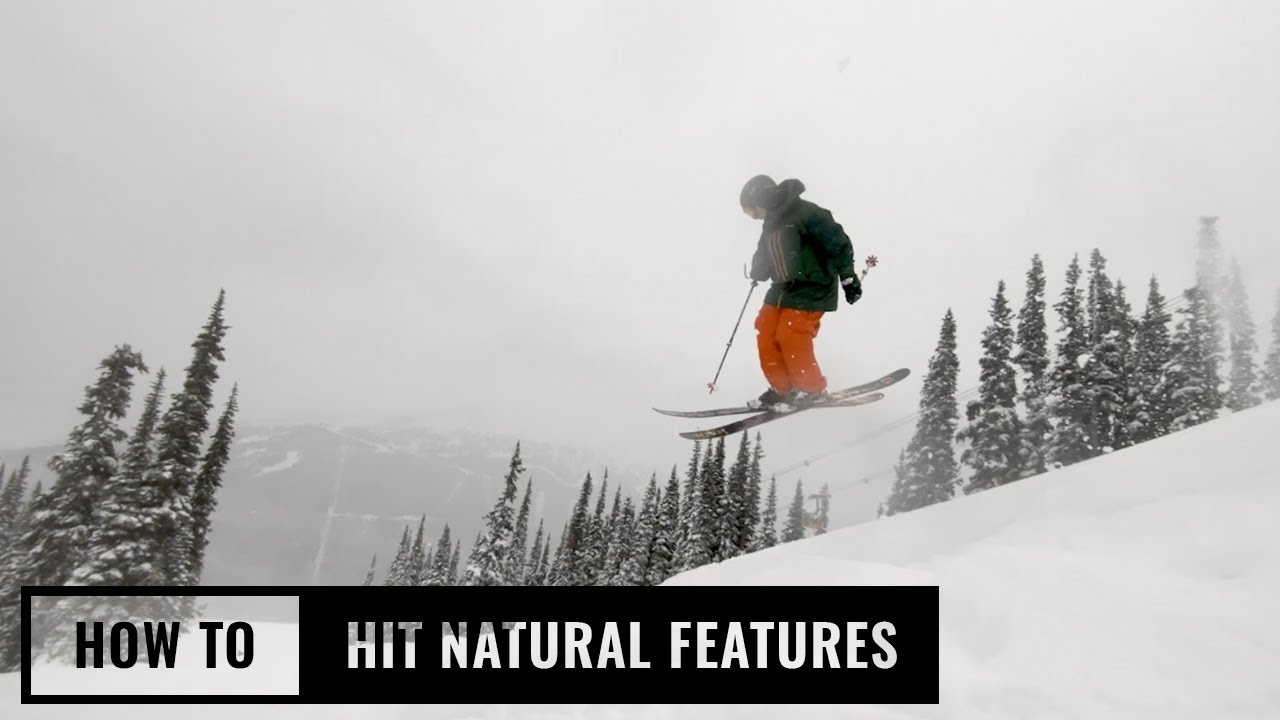
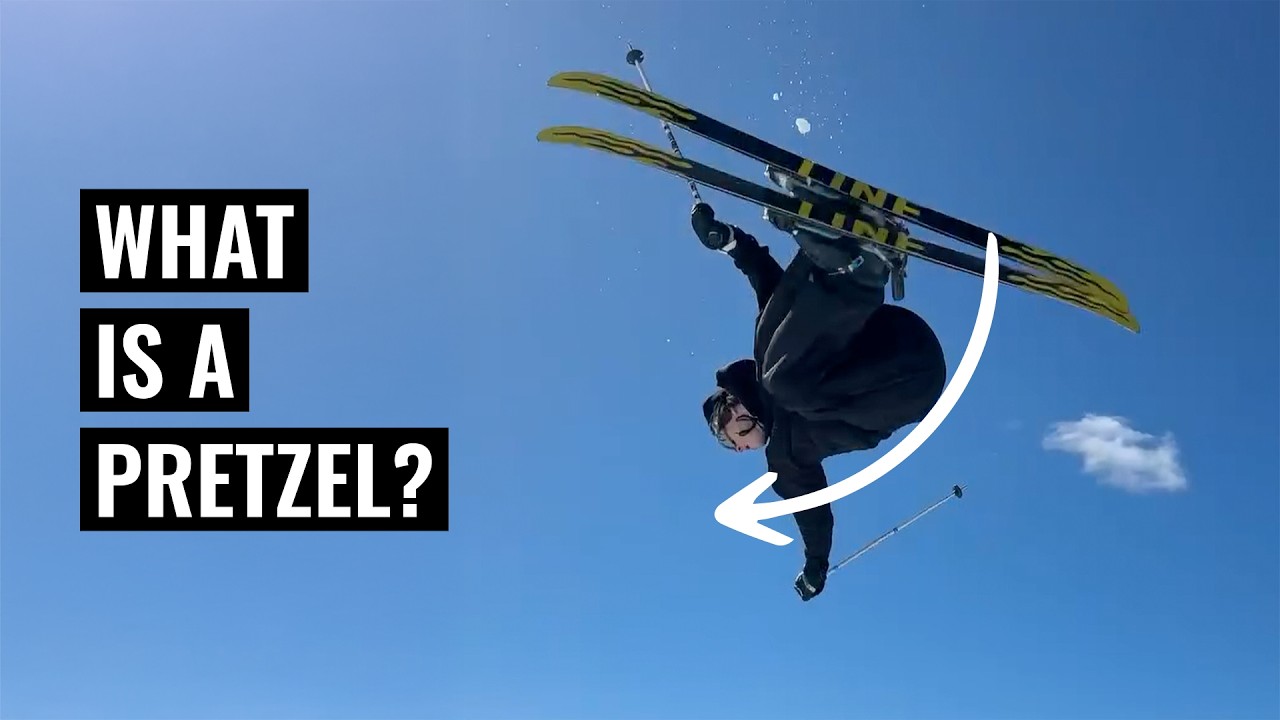
Bercovitch skis with economical body position and deliberate timing. On jumps he favors measured spin speed and deep, stabilizing grabs that keep the axis true—an approach you’ll recognize from his off-snow progressions where he teaches athletes to control rotation with arm path, hip openness, and head alignment before they ever leave a park lip. In air you’ll notice stacked shoulders at takeoff, quiet hands, and landings that arrive over the feet rather than as saves. When he adds butter initiations or tap features, they act as punctuation, not detours, so the outrun stays calm and speed survives for the next hit.
On rails, the same economy shows up as early edge commitment, decisive lock-ins, and exits that protect line speed. Surface swaps finish cleanly; presses have shape instead of wobble. Whether you’re a casual viewer or a skier studying frame by frame, the tell is spacing between moves. Each trick creates room for the next one, which is why his laps read clearly in real time without slow motion.
Resilience, filming, and influence
After stepping away from the start gate, Bercovitch focused on resilient, repeatable habits—and on explaining them. His coaching presence with Freestyle Canada’s air programs and his long run of Ski Addiction tutorials turned trampoline drills and safety bailouts into mainstream freeski vocabulary. That instruction isn’t abstract; it comes straight from years of translating trampoline shapes to snow, then back again when it’s time to rebuild confidence after setbacks. In film clips and brand pieces, he leans on the same blueprint: honest speed, early grab timing, and axes that resolve into quiet outruns. The cumulative effect is influence that reaches beyond highlight reels, shaping how younger riders practice as much as how they perform.
Because those habits are teachable, they spread. Athletes and weekend park skiers alike borrow his stepwise approach—learn the movement off snow, add grabs to stabilize, change direction with purpose, and keep momentum alive between features. It’s a pathway that helps the sport progress sustainably, and it’s a big reason his clips age well on rewatch.
Geography that built the toolkit
Place explains Bercovitch’s blend of finesse and durability. Early days at Belle Neige in Québec forged edge discipline on compact approaches and firm snow. Whistler brought the speed: higher-radius lips and faster in-runs at Whistler Blackcomb reward early grab timing and centered landings, habits visible in his on-snow projects. Off the hill, the corridor of trampolines and dryland facilities around the Sea-to-Sky—most notably Airhouse Squamish—provided the repetition needed to turn coaching cues into muscle memory. Fold in the summer camp culture at Momentum, and you get the environment that shaped both his skiing and his teaching voice.
Equipment and partners: practical takeaways
Bercovitch’s current kit aligns with his priorities. He’s aligned with Roxa for boots, a cabrio-leaning lineup known for progressive flex that’s friendly to repeated park impacts. For head protection he uses Pret Helmets, a Park City brand focused on light, well-vented shells that disappear in use. For optics he works with Trinsic Optics, a rider-owned Canadian goggle brand emphasizing clarity and durability. Around Whistler he’s connected to local tuning support at CSM Whistler, reflecting a common thread in his skiing: repeatability comes from consistent platforms and maintenance, not only from talent.
For progressing skiers, the gear lesson mirrors his coaching: choose a park-capable ski that feels predictable on takeoff, set boots up for centered stance rather than over-stiff flex, keep edges tuned to hold yet detuned at contact points to avoid surprise bites on swaps, and build a goggle quiver that preserves contrast when light changes mid-session. Equipment won’t replace habits, but the right platform makes those habits easier to reproduce across long filming or training days.
Why fans and progressing skiers care
Dean Bercovitch matters because he makes modern freeskiing readable. His jump and rail choices hold up at normal speed, his edits and brand projects focus on deliberate trick shape, and his coaching breaks complex movements into steps skiers can actually follow. From Québec’s Belle Neige to Whistler Blackcomb and the Sea-to-Sky training loop, he’s built a toolkit that survives different venues without losing its identity. If you watch slopestyle and big air for clean mechanics and controlled momentum—or if you’re trying to build those traits yourself—Bercovitch’s skiing and teaching provide a blueprint that extends beyond any single result page.