Cameron Wood
Profile and significance
Cameron “Woody” Wood is a Scottish-born freeski and backcountry skier whose career blends freeride lines, film-making and climate advocacy. Raised in the Scottish Highlands and later based for long stretches around the Australian Alps, he grew from local freestyle and freeride contests into a backcountry ski guide, producer and ambassador for organisations such as Protect Our Winters Australia. Rather than building a résumé of slopestyle or big air podiums, Wood has focused on documenting meaningful ski stories and using his profile to protect the fragile snow environments he calls home.
Best known to many for creating the Australian backcountry film “Steep Reflections” in partnership with The North Face, POW Australia and the Mountain Safety Collective, Wood has helped shine a spotlight on terrain that many skiers overlook. The film’s tour raised a significant donation for climate advocacy and firmly established him as one of the key storytellers of the Southern Hemisphere’s backcountry scene. At the same time, features in Scottish backcountry articles and his presence on the Freeride World Tour Qualifier circuit have framed him as one of Scotland’s standout modern freeride skiers.
Competitive arc and key venues
Wood’s early years in the Highlands were shaped by classic British resort experiences at places like Glenshee and other nearby ski hills, where storms, breakable crust and short weather windows forced him to learn fast. He competed in freestyle and freeride events as a young skier, drawing on slopestyle-style jump skills and technical edge work to stand out on often-variable snow. As his focus shifted toward bigger terrain and more exploratory missions, he gravitated toward freeride competitions and guiding qualifications rather than a traditional park-and-pipe World Cup pathway.
Alongside this competitive grounding, Wood began to treat the mountains as a film set. In Scotland he appeared in projects such as the documentary “Grounded” and became a go-to skier for photographers looking to capture the Highlands in storm conditions. A Snow Magazine feature described him as one of Scotland’s best up-and-coming freeride skiers, highlighting missions in areas like Creag Meagaidh and Glencoe Mountain Resort, where natural halfpipes, wind-loaded banks and steep gullies allowed him to bring freestyle sensibilities into freeride lines.
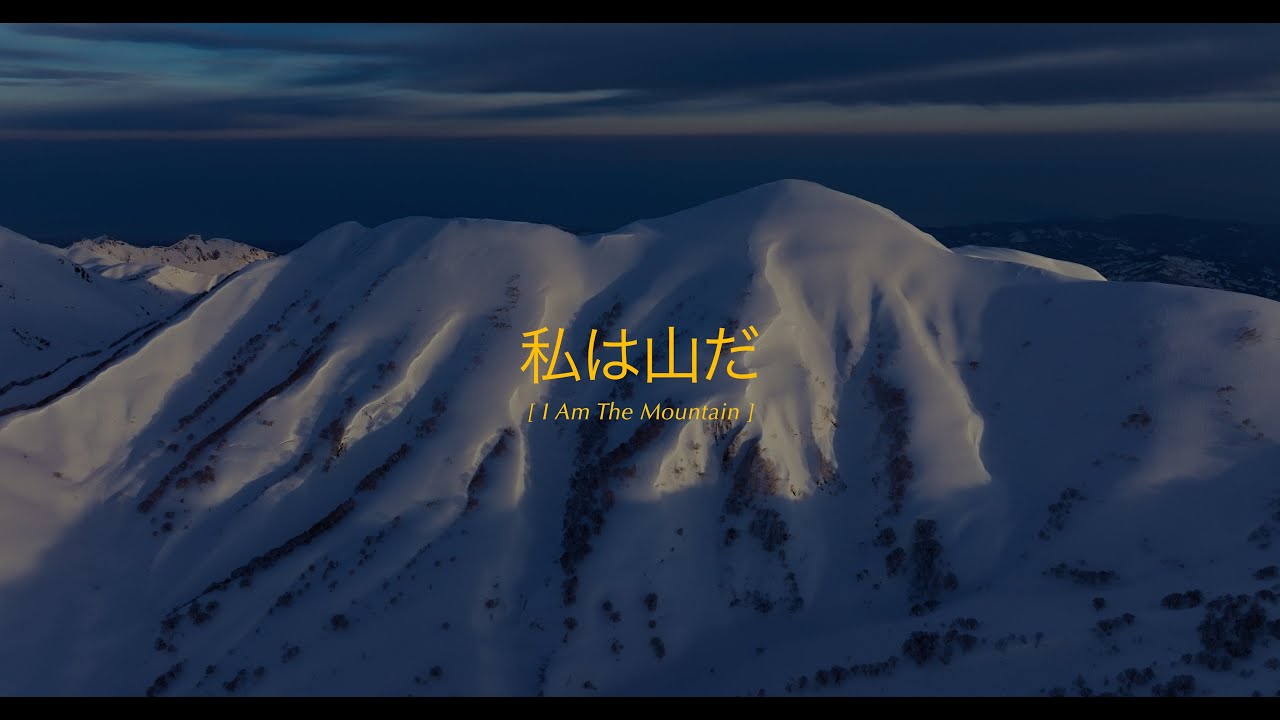
Relocating seasonally to Australia opened a new chapter. From bases around Jindabyne he logged countless days in the Kosciuszko backcountry, skiing long spring lines, complex storm slabs and the iconic Main Range terrain accessed from resorts such as Thredbo. Those missions fed directly into “Steep Reflections”, as well as safety-focused reporting and film tours. More recently he has pushed further afield, completing a multi-day traverse across Japan’s Northern Alps from Myoko to the Sea of Japan for the film “I Am The Mountain”, which showcases his capacity for committing ski mountaineering as much as playful freeride.
How they ski: what to watch for
Wood’s skiing blends freeride fluidity with the precise timing of a park skier. You can see the echoes of slopestyle training in the way he pops off natural lips, shapes 3D terrain into takeoffs and looks for small transfer hits where other riders simply link turns. He is less concerned with the dizzying spin counts of big air contests and more focused on line quality, snow feel and how a sequence will read on camera. His signature moves are often modest in rotation—clean 360s and straight airs with strong grabs—but they are placed in consequential terrain where exposure, sluff management and landing zones demand real judgement.
In footage from Scotland and the Australian Alps, watch how he manages speed in long, consequential faces. He favours stacked, fall-line turns high on the slope, then small direction changes to stay out of terrain traps and wind-loaded pockets. When natural features form a halfpipe or bank, he uses them like a park line—carving up one wall, popping over the fall line and dropping back into the opposite wall rather than simply skiing straight down. Even when conditions are variable, his stance remains centred and dynamic, which is crucial for skiers who want to bring their own freeski background—park laps, side hits, even light urban/street skiing—into ungroomed backcountry environments.
Resilience, filming, and influence
Building a film-driven career outside the traditional contest spotlight takes resilience. Wood has repeatedly chosen harder, slower paths over easier options: winter seasons spent chasing narrow weather windows in Scotland; years of qualification and guide work; and big projects like “Steep Reflections” that require fundraising, logistics and safety planning on top of the physical demands of ski mountaineering. The Australian film tour for “Steep Reflections” did more than showcase aesthetic lines—it raised substantial funds for Protect Our Winters Australia, demonstrating his ability to turn ski culture into tangible climate action.
As a filmmaker and producer, he has emerged as a voice that connects avalanche literacy, mountain safety and climate awareness with relatable ski stories. “Steep Reflections” presents the Kosciuszko backcountry not just as a playground, but as a landscape where safety decisions and environmental change are woven into every tour. “I Am The Mountain” extends that ethos to Japan, where multi-day travel, crevasse and cornice hazard, and complex volcanic terrain demand careful planning. For many backcountry-curious skiers, his work offers a bridge between aspirational lines and the real-world preparation needed to ride them responsibly.
Geography that built the toolkit
Few skiers move as comfortably between Scotland’s storm-hit corries and Australia’s sun-softened granite ridges as Cameron Wood does. The Scottish Highlands gave him his first toolkit: short yet intense weather windows, rapid transitions from powder to crust, and tight gullies where line choice matters more than raw speed. Touring days in places like Creag Meagaidh and descents around summits such as Sron Coire a’ Chriochairein honed his ability to read wind-loading, track snowpack changes and stay light on his feet when terrain funnels into narrow exits.
Seasonal migration to the Southern Hemisphere then layered on a very different learning environment. The rolling plateaus and long approaches of Kosciuszko National Park demand fitness, navigation skills and a strategic mindset for weather and snow stability. From Jindabyne he has spent years exploring ridgelines, cornices and spring corn runs that reward patience more than storm chasing. Add to that stints in British Columbia and Japan, and you get a skier whose decision-making is shaped by three distinct mountain cultures—each with its own approach to risk, snow and style.
Equipment and partners: practical takeaways
Wood’s equipment choices reflect his dual identity as a backcountry guide and freeski athlete. In Scottish features he has been photographed charging on all-mountain freeride skis like the Nordica Enforcer line from Nordica, a platform that balances stability in chop with enough agility for tight couloirs and playful side hits. In the Australian Alps and Japan, his setups tilt toward touring efficiency—lightweight bindings, reliable skins, and the full safety kit of beacon, shovel, probe and often an airbag pack, which are essential for anyone hoping to follow his footsteps into complex terrain.
On the outerwear and media side, Wood works closely with The North Face, using technical shells and insulation designed for long days in harsh weather, and with eyewear partner Smith Optics to cope with flat light, wind and spindrift. The practical takeaway for progressing skiers is simple: you do not need the exact same kit, but you do need equipment that matches your objectives. If you are stepping from resort freeski or slopestyle laps into bigger lines, consider a reliable touring-capable setup, robust outerwear that can handle storm days, and the avalanche education to use your safety tools effectively.
Why fans and progressing skiers care
Cameron Wood matters to modern freeski culture because he represents a path where style, storytelling and environmental responsibility are equal pillars. For fans, his films and social clips showcase a version of freeride that is less about podium photos and more about the lived texture of long tours, shared decision-making and committing descents. For skiers coming from park laps, big air jump lines or even early experiments in urban/street skiing, his work shows how that trick vocabulary can evolve into thoughtful backcountry lines, rather than being abandoned at the resort boundary.
For progressing skiers, the lesson is that you can build a meaningful career in the mountains by combining strong skiing with guiding skills, communication and climate advocacy. Wood’s journey from Scottish freeride hopeful to Australian backcountry filmmaker and POW ambassador demonstrates how local scenes—no matter how stormy, thin or overlooked—can become launching pads for global projects. Watching his films and following his projects offers both inspiration and a blueprint: learn your craft, respect the mountains, tell honest stories and use your platform to protect the snow that makes it all possible.