Cal Carson
Profile and significance
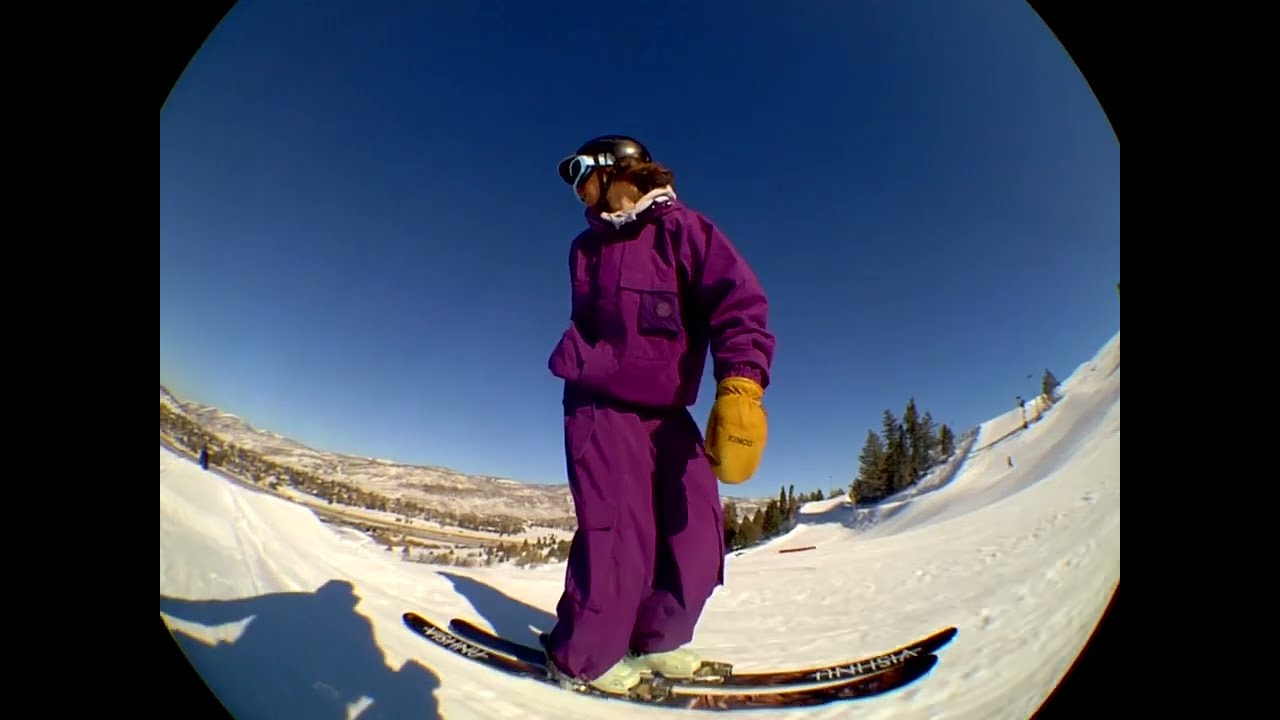
Cal Carson is an American freeski rider whose rail authority and film-first approach have made him a recognizable name across the North American park and street scene. Born in 1998 and raised on Colorado laps at Winter Park, he later based himself in Salt Lake City to chase longer seasons and bigger crews. After early years on the competitive pathway with Park City programs, he shifted decisively toward projects and rider-led events, becoming a regular in Child Labor films and a finalist for Trick of the Year. Along the way he appeared in SLVSH games and stacked spring edits that travel well beyond his home mountains. The result is a skier whose influence rests less on rankings and more on how cleanly his skiing reads at full speed—lock-ins are precise, grabs are held, and the line keeps its shape from first feature to last.
Carson’s identity is also anchored by a tight sponsor fit. He rides for Vishnu Freeski, uses performance liners from ZipFit, and collaborates with the soft-goods culture around Arsenic Anywhere. Those choices align with a style that prizes durability, repeatability, and creativity in equal measure—ideal traits for urban and resort features that demand many takes to get the clip just right.
Competitive arc and key venues
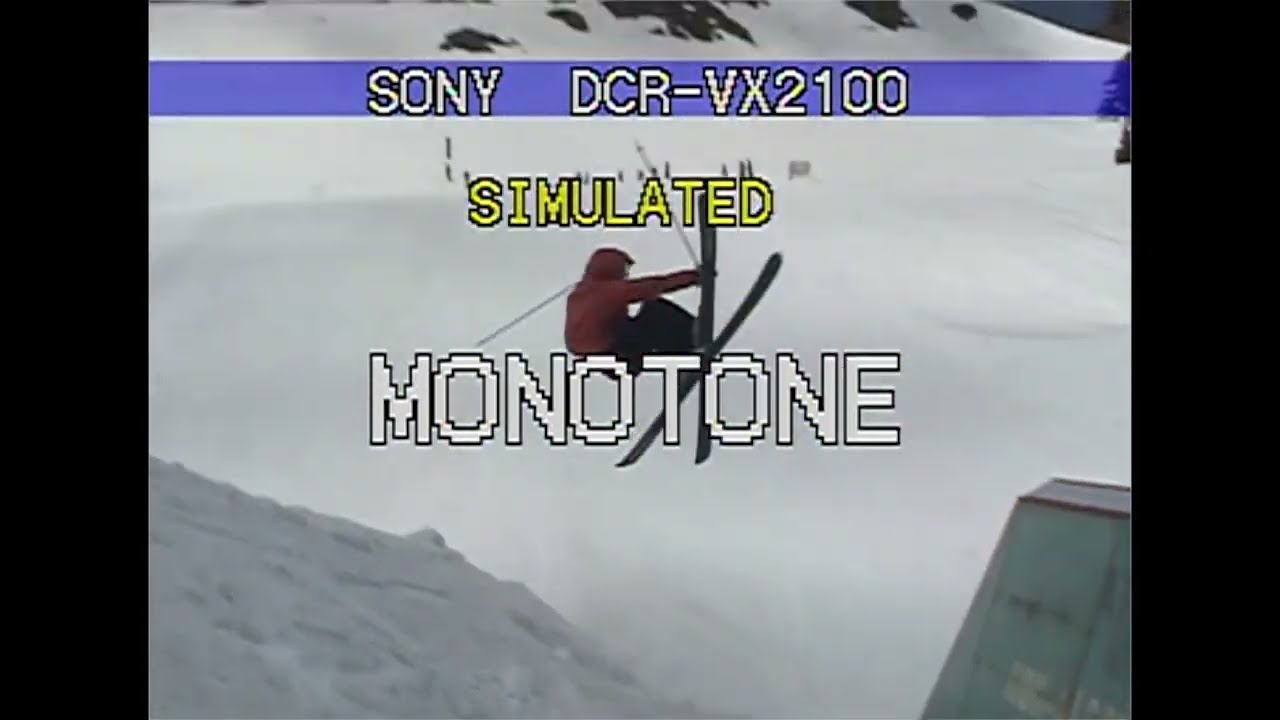
Before leaning into filming, Carson’s junior résumé included appearances across U.S. development events and podiums at national-level gatherings, a foundation that shows in his timing and speed management today. He later stepped away from FIS starts—his official profile now lists him as inactive—to focus on edits and rider-driven sessions where style carries the day. That pivot didn’t shrink his footprint; it sharpened it. A filmed SLVSH game at Momentum Ski Camps in Whistler showcased contest-grade consistency in a creative format, while Child Labor releases, including “Take 3,” gave him a canvas to build sequences that feel as considered as any finals run.
The venues in his clips are a roadmap for how modern park skiing is built. Spring and storm cycles at Mammoth Mountain, Palisades Tahoe, and Mt. Bachelor provide speed, feature density, and sunlight that reward flow and technical nuance. Back in Utah, high-frequency laps and airbags at Woodward Park City support the air awareness that lets him vary stance and direction without losing line speed. Together, those places shaped a skier who can read any park like a cohesive line rather than a checklist of single tricks.
How they ski: what to watch for
Carson’s hallmark is economy. On rails he sets edges early, centers his mass on contact, and exits with speed protected for the next feature. Expect surface swaps that resolve cleanly, nose or tail presses with shape, and minimal flailing on landings. His jump work favors quality over volume: measured spin speed, full-value grabs used to stabilize axis, and calm outruns that make edits watchable without slow motion. Directional variety is part of the package—forward and switch takeoffs across left and right spins—but never at the expense of cadence. Viewers should watch for the way he creates space between tricks; each choice sets up the next rather than stealing from it, which is why a Carson run feels coherent even on mixed snow or tight in-runs.
What separates his clips is readability. Even when the feature is novel—down-flat-down with a kinked exit, a wallride to quick revert, or a step-down with a short landing—his body position stays stacked and hands quiet. That discipline turns difficult tricks into clear pictures, a trait judges reward in contests and editors prize in post-production.
Resilience, filming, and influence
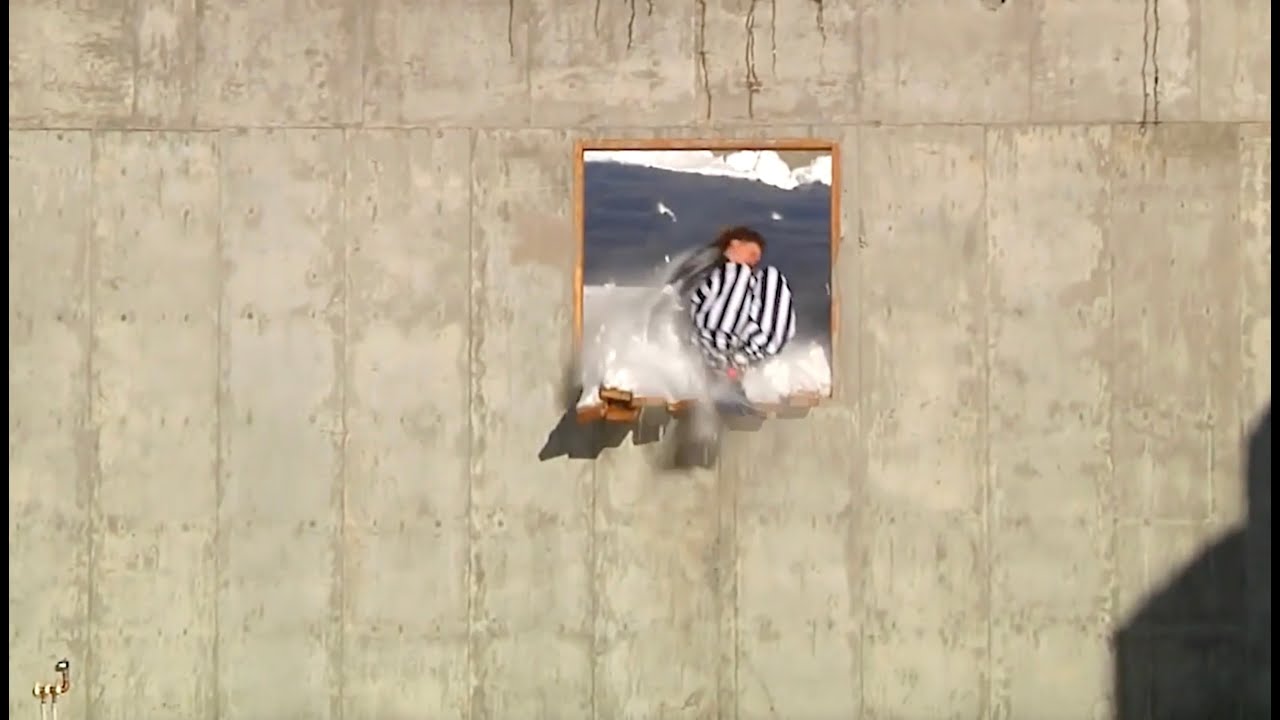
Carson’s path includes setbacks that would stall many riders. A major jaw injury interrupted his momentum, yet the recovery period became a study in rebuilding fundamentals and using the camera as feedback. The post-injury edits that followed felt more deliberate: cleaner lock-ins, smarter speed checks, and trick selection that respected the runway. Within Child Labor’s crew dynamic, he has been a reliable source of segments that balance fresh spots with honest speed, a balance that makes the footage age well. A SLVSH appearance and recurring spring projects amplified that voice, proving that the same habits that win heats—varied directions, held grabs, protected momentum—also make the best street and resort parts.
Influence shows up at the grassroots. Park kids copy his timing on presses and the way he keeps lines moving through crowded mid-season parks. Filmmakers appreciate that his trick choices read without editorial trickery. And brands value the way he translates gear into outcomes, making it clear what equipment can and can’t solve for when you’re stacking takes on steel or concrete.
Geography that built the toolkit
Place explains the mix of finesse and grit. Colorado beginnings at Winter Park meant short in-runs and firm surfaces that punish sloppy approach angles. The move to Utah added the repetition loop—lift laps, dryland facilities, and community energy—to turn ideas into habits at Woodward Park City. Spring migrations to Mammoth Mountain, Palisades Tahoe, and Mt. Bachelor supplied long runways and consistent shaping, while summer sessions at Timberline Lodge on Mount Hood kept the progression window open when most resorts were closed. A stop through Momentum in Whistler knitted those ingredients together in a collaborative setting that rewards flow and originality.
Equipment and partners: practical takeaways
Carson’s kit mirrors his priorities. Park-oriented shapes from Vishnu Freeski offer symmetrical feel for presses and swaps without folding on takeoff. ZipFit liners provide a locked-in boot interface that stays consistent across cold mornings and warm spring afternoons—crucial when fifty rail hits separate first try from the keeper. Soft goods from Arsenic Anywhere reflect the crew-first culture that underpins his projects. For skiers, the lesson is straightforward: pick a durable, symmetrical or near-symmetrical park ski; mount for confidence on rails without sacrificing stability; keep edges tuned to hold but detuned enough at contact points to avoid surprise bites on swaps; and build a lens quiver that preserves contrast in flat light so cadence never depends on weather luck.
Why fans and progressing skiers care
Cal Carson matters because he embodies a pathway many riders actually follow: learn honest park fundamentals, translate them to street and spring projects, and let consistency—not hype—carry the story. His edits are easy to watch and instructive to study, and his sponsor alignment underscores practical choices that any progressing skier can apply. If you track freeski for its blend of creativity and control, keep Carson on your radar; his clips prove that the most satisfying lines come from decisions made long before takeoff.