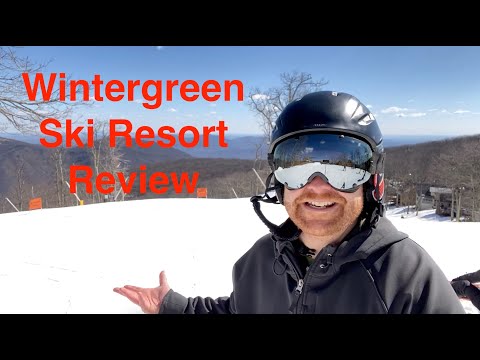
Wintergreen Ski Resort
Virginia
United States
Overview and significance
Wintergreen Resort is a four-season mountain resort on the eastern slopes of Virginia’s Blue Ridge Mountains, with its ski area perched above the communities of Wintergreen and Nellysford. For skiers and snowboarders in the Mid-Atlantic, it is one of the most complete lift-served options within a few hours of Washington, D.C., Richmond, and Charlottesville. The mountain offers about 129 acres of skiable terrain, a vertical drop of roughly 1,000 feet, and around two dozen trails that range from wide beginner boulevards to legitimately steep advanced pitches. Two high-speed six-pack chairlifts, plus additional chairs and surface lifts, move up to more than 11,000 skiers per hour, so the resort skis bigger than its acreage might suggest.
Wintergreen has carved out a clear niche as a destination that balances family-friendly skiing with terrain that can challenge experienced riders. The Highlands pod and expert runs such as Cliffhanger give strong skiers real fall line, while long intermediates like Tyro stretch out to around 1.4 miles. A full-coverage snowmaking system, night skiing on more than half the terrain, and a dedicated terrain park program make it a reliable winter hub for the region. For freeskiers and snowboarders, Wintergreen is where park laps, race training, and all-mountain cruising intersect on a single, compact Blue Ridge ridge line.
Terrain, snow, and seasons
Wintergreen’s ski terrain lies between about 2,500 and 3,500 feet in elevation, spread across a main ridge that faces generally north and northeast toward the Rockfish Valley. Official stats describe 26 trails, with a breakdown of roughly 23 percent beginner, 35 percent intermediate, and 42 percent advanced and expert. The layout is anchored by pods of runs served by major lifts: the Highlands area concentrates steeper black-diamond terrain, while the Blue Ridge side provides a mix of blues and greens that funnel back to the central base. Tyro, one of the signature intermediate trails, runs for approximately 1.4 miles and delivers a true top-to-bottom cruise by Mid-Atlantic standards.
Snowfall in this part of Virginia averages around 35 inches of natural snow per winter, so snowmaking is critical. Wintergreen uses a dense network of guns to provide 100 percent coverage across its 129 acres, building a durable manmade base whenever temperatures drop. When cold high-pressure systems settle over the Blue Ridge, the resort can resurface key runs overnight, delivering fast, grippy corduroy in the morning that softens into more forgiving snow through the day. The typical operating season stretches from early or mid-December into March, with the most reliable coverage usually in January and February. Night skiing extends onto about 45 acres, lighting roughly 14 trails so that the mountain stays active well after sunset.
Park infrastructure and events
Wintergreen’s terrain park is one of the most notable freestyle offerings in the southern Mid-Atlantic. Resort information highlights a progression-based design with more than forty individual features at full build-out, arranged to serve different ability levels on a single run. The park team regularly reshapes the layout, cycling rails, boxes, and jumps so that frequent visitors find something new throughout the season. A dedicated lift for the park helps riders stack runs without repeatedly riding long chairs designed for full-mountain laps.
The feature list is surprisingly deep for a regional hill. Local descriptions mention a variety of rails, including straight rails, rainbows, S-rails, battleships, down-kinks, and fun boxes. Snow features can include tabletops, spines, hips, and roller-style jumps sized for progressive learning rather than huge big-air sessions. The park has been recognized by regional media, earning top votes in Blue Ridge Outdoors Magazine reader polls, which underlines its status as a go-to freestyle zone for Virginia and surrounding states. Through the season, Wintergreen hosts a series of park events, often structured around rail jams and slopestyle-style contests. These grassroots competitions give younger riders an accessible launchpad into organized freestyle, while more experienced skiers use them as a platform to throw down in front of a vocal local crowd.
Access, logistics, and on-mountain flow
Wintergreen’s location is one of its big advantages. The resort sits in Nelson County, roughly an hour from Charlottesville and within about three hours’ drive of Washington, D.C. and much of central Virginia. The access road climbs from the valley to the mountaintop village, but compared with higher-elevation destinations, the drive is manageable for most vehicles with basic winter preparation. Once you arrive, parking areas and the main base village are located close to the lifts, rentals, and ski school, so transitions from car to chairlift are relatively quick.
On the mountain, five primary lifts, including two detachable six-packs and several fixed-grip chairs, structure the flow. The high-speed Blue Ridge Express and Highlands Express move most of the traffic to the summit quickly, feeding a web of intermediate and advanced runs. A quad and lower lifts serve additional terrain and beginner zones, along with conveyor carpets in the learning areas. Because most trails drop back toward the main village, it is easy for groups of mixed abilities to split up for a few laps and regroup at predictable meeting points. For freeskiers, this layout means you can move efficiently between the terrain park, steeper Highlands runs, and mellower groomers, tailoring your day to conditions and energy levels without long traverses or confusing cat tracks.
Local culture, safety, and etiquette
Wintergreen’s culture reflects its identity as a four-season resort with a strong local and regional draw. In winter, the slopes see a blend of season passholders from central Virginia, weekend visitors from the D.C. and Richmond areas, and first-time skiers discovering the sport on holiday trips. The mountaintop village atmosphere, with condos, lodges, and amenities clustered near the ski area, gives the resort a self-contained feel that appeals to families and groups. At the same time, the Highlands black runs and well-regarded terrain park attract more committed riders who treat Wintergreen as their primary training ground.
Because the resort hosts a wide spectrum of ability levels, etiquette and safety are central to how the mountain skis. On green and blue trails, advanced riders need to moderate speed, especially near lesson zones and congested intersections. The Highlands terrain and expert runs such as Cliffhanger can firm up in cold weather, so staying in control and respecting your limits is crucial. In the terrain park, Wintergreen promotes Smart Style and standard park rules: inspect features before use, call your drop clearly, clear landings quickly, and never sit on knuckles or blind rollers. Helmets are strongly recommended for all park and night-skiing laps. Respecting closures, giving the park crew space to work, and maintaining a positive, encouraging vibe keeps the atmosphere welcoming for younger and progressing riders.
Best time to go and how to plan
The most reliable time to visit Wintergreen for freeskiing is typically from early January through late February, when the combination of natural snowfall and sustained cold allows the snowmaking team to maintain full coverage across key trails and the terrain park. Early season, in December, can bring excellent groomed skiing when temperatures drop enough for intensive snowmaking, but some of the steeper runs and full park lines may not yet be open. March often delivers softer, spring-like conditions that are ideal for park progression sessions and relaxed carving laps, albeit with more variable coverage on the most exposed slopes.
Planning starts with checking the daily snow report, lift status, and terrain updates on the resort’s official website in the days before your trip. This will tell you how much terrain is open, whether the park is fully built, and which trails are scheduled for night skiing. Because Wintergreen is a popular weekend destination for several metropolitan areas, Saturdays and holiday periods can be busy, particularly around rentals, beginner lifts, and the main high-speed chairs. Booking lift tickets and rentals in advance, arriving early for first chair, or targeting evening and weekday sessions can significantly cut down on time spent in lines. Lodging options include slopeside condos and rental homes within the resort, as well as valley accommodations that pair skiing with visits to local breweries, wineries, and other Blue Ridge attractions.
Why freeskiers care
Freeskiers care about Wintergreen Resort because it combines serious terrain, a recognized terrain park, and night skiing in a location that is realistically drivable for millions of riders in the Mid-Atlantic. The thousand feet of vertical may not match the scale of major northern or western destinations, but the way it is used—steep Highlands fall lines, long intermediates like Tyro, and a park packed with rails and jumps—gives skiers and snowboarders genuine room to progress. The dedicated park lift, evolving feature set, and locally loved event series create a freestyle scene that punches above the resort’s size on the map.
From a skipowd.tv perspective, Wintergreen offers a versatile filming canvas: sunrise views from the Blue Ridge ridgeline, high-speed carve shots on groomed blacks, creative rail lines under the terrain park lights, and night skiing sessions with the valley glowing far below. It is a place where East Coast riders hone their skills before trips farther north or west, and where many younger skiers learn to hit their first rails and jumps. For anyone mapping out the Mid-Atlantic’s most important freeski destinations, Wintergreen deserves a place near the top of the list as a resort where snowmaking, terrain design, and community energy come together in a compact but highly functional package.