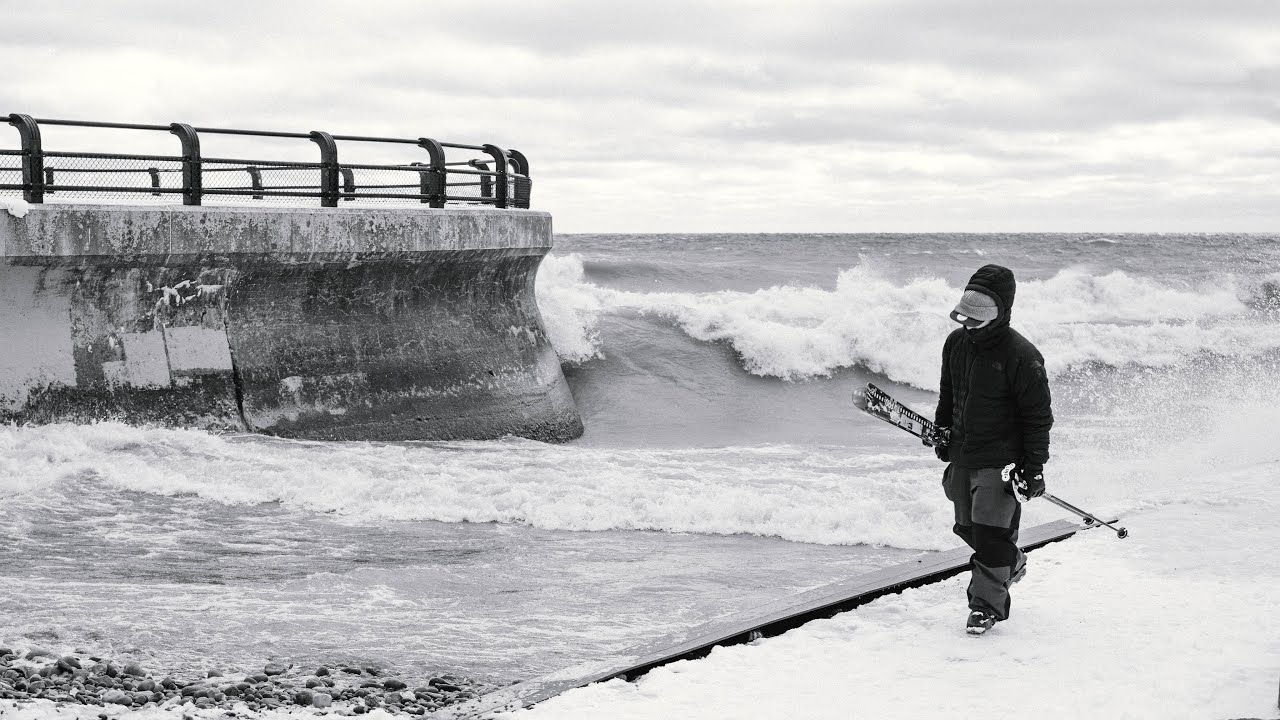
Totonto
Ontario
Canada
Overview and significance
Toronto is Canada’s largest city and one of North America’s key urban bases for lift-access skiing and snowboarding. Sitting on the northwestern shore of Lake Ontario, it has no mountains of its own, but it anchors a dense ring of Southern Ontario ski areas that line the Niagara Escarpment and the snow-belt north of Barrie. Within roughly two hours’ drive you can reach Ontario’s biggest resort at Blue Mountain, the park powerhouse of Mount St. Louis Moonstone, and family-focused destinations like Horseshoe Resort, Glen Eden, Lakeridge and Dagmar. Together they turn Toronto into a genuine winter sports hub rather than just a big city near snow.
Unlike classic alpine towns, Toronto’s significance comes from scale and accessibility. Millions of people live within easy range of the lifts, Pearson and Billy Bishop airports funnel international riders into the region, and highways radiate north toward Collingwood and the Barrie corridor. Bus tours, university ski clubs and local shops run regular trips, and many riders treat skiing as a weekly habit rather than a once-a-year vacation. For freeskiers, that rhythm matters: it means a broad community of park riders, race kids and weekend powder chasers all feeding the same small-but-busy hills around the city.
Toronto itself adds the off-snow piece. Between sessions, riders plug into a deep food scene, music venues, film festivals and neighbourhood culture promoted by Destination Toronto. Winter weekends often blend late-night city life with early-morning highway drives to Blue or Moonstone, creating a lifestyle where park laps and urban energy share the same 48 hours. That combination of metro scale, reliable access and a ring of progression-oriented hills is what earns Toronto a dedicated spot on the skipowd.tv map.
Terrain, snow, and seasons
The terrain around Toronto is defined by hills and escarpments rather than towering peaks, but smart lift design and snowmaking make the most of every metre of vertical. About 90 minutes north, Blue Mountain rises off the Niagara Escarpment near Collingwood. It is Ontario’s largest ski resort, with a vertical of roughly 720 feet, more than 40 named trails, around 360-plus acres of skiable terrain and extensive night skiing. Long, consistent groomers and multiple park zones make it the de facto “big mountain” for GTA riders, even if the stats are modest by alpine standards.
Further east along Highway 400, Mount St. Louis Moonstone and Horseshoe Resort sit in the snow belt north of Barrie. Mount St. Louis Moonstone offers around 550 feet of vertical, 36 slopes and a reputation for high-throughput lifts and deep snowmaking coverage. Horseshoe brings about 28 alpine runs plus a strong Nordic network, ideal for mixed groups. Closer to the city, smaller areas like Glen Eden, Lakeridge and Dagmar offer sub-300-foot vertical but pack chairlifts, rope tows and short fall-lines into compact footprints that are perfect for after-school and after-work laps.
Southern Ontario winters are driven by Great Lakes weather. Storms rolling in from the west and northwest pick up moisture over Lake Huron and Georgian Bay, dropping snow as they hit the escarpment and snow-belt hills. Natural snowfall totals are respectable but not enormous, so every major resort near Toronto relies on extensive snowmaking to guarantee coverage. Blue Mountain, Mount St. Louis Moonstone and Horseshoe each promote near- or full-mountain snowmaking combined with nightly grooming, which keeps surfaces rideable even through freeze–thaw cycles and midwinter cold snaps.
The core season for lift-served downhill runs from December into mid- or late March, with early openings possible when temperatures drop in November and extensions into April in strong years. In practice, most Toronto-based freeskiers treat late December through late February as the prime window: bases are deep enough for full trail counts and park builds, lake-effect storms still deliver fresh snow, and night temperatures stay cold enough to preserve jumps and landings.
Park infrastructure and events
What makes the Toronto region important for freeskiing is not endless powder; it is terrain parks and the ability to lap them relentlessly. Blue Mountain runs several dedicated park zones, including Yahoo, L-Park, the Grove and the flagship Badlands. Collectively they cover a spectrum from beginner boxes and rollers to advanced jump lines and rail gardens. The resort’s own terrain-park brief emphasises progression, with clearly signed sizes and a Park Smart approach, and it runs freestyle lessons and camps to support that ladder from first park laps to serious slopestyle riding.
Mount St. Louis Moonstone pushes even harder into freestyle. The hill is widely described as one of the best terrain-park destinations east of the Rockies, with three named parks—SkooL YaRd for groms, Junkyard as a progression park, and Outback Super Park for advanced riders. High-capacity chairs and rope-tow-style access on key lanes translate directly into more attempts per hour on rails, tubes and jumps, which is exactly what driven freeskiers want from a home resort. Features are refreshed regularly through the season, and the resort hosts regional freestyle events and slopestyle series that give Ontario riders a competitive platform close to Toronto.
Horseshoe and the smaller GTA hills also contribute to the park ecosystem. Each operates at least one freestyle zone, typically with small to medium features, serving as stepping stones for younger riders and those who are not yet ready to commit to Blue or Moonstone’s biggest lines. Across the region, rail jams, park nights and grassroots contests pop up through the winter—events like frozen rail jams at Blue or moonlight jam sessions in smaller parks. For film crews and social-driven riders, the combination of floodlit lanes, short runs and dense features around Toronto is perfect for stacking clips in limited time.
Access, logistics, and on-mountain flow
Access is where Toronto really shines as a ski base. International riders fly into Toronto Pearson International Airport, one of the busiest hubs in North America, or into the more central Billy Bishop Toronto City Airport on the Islands. From there, rental cars, charter buses and shuttle services fan out along major highways. Highway 400 north leads toward Barrie, Mount St. Louis Moonstone and Horseshoe, before connecting westward to Blue Mountain via Highway 26. East of the city, the 401, 404 and local routes link to smaller hills in the Durham and Halton regions without any true mountain passes to navigate.
For local skiers, this infrastructure turns weekend missions into straightforward routines. Work or school finishes on Friday; a night drive up 400 or 410 gets you to a rented condo at Blue or a motel near Barrie; first chair the next morning puts you on groomers or in the park before crowds peak. Many Toronto riders also keep things even simpler with day trips: leave early, ski a full day at a hill within 90 minutes, and be back in the city for dinner or a show.
On-mountain flow at the main resorts mirrors that efficiency. Blue Mountain’s high-speed chairs pull skiers quickly from the village up to the escarpment crest, where they can choose between long groomers, tree-lined cruisers and multiple park lines that all funnel back to the same few base portals. Mount St. Louis Moonstone’s layout tends to prioritise direct, repeatable laps on its key park and race lanes. Horseshoe’s more compact footprint makes it easy for mixed-ability groups to split between beginner zones, terrain park and steeper runs and still regroup quickly at the base lodge.
Local culture, safety, and etiquette
Toronto’s ski culture is a blend of commuter hill practicality and big-city diversity. Riders come from every background, speaking dozens of languages, but they are united by a shared habit: watching snow reports and radar, then timing drives north when temperatures and conditions look best. University ski and snowboard clubs, high-school race teams, and immigrant families discovering winter sports for the first time all share the same buses and lift lines.
On the hills, etiquette is shaped by volume and park density. Busy weekends and night sessions mean traffic is often heavy on key trails and park in-runs, so controlling speed and respecting slow zones is non-negotiable. In the parks, the standard code applies: inspect features before use, start small and build up, call your drop clearly at the top of the line, and clear landings quickly. Many resorts around Toronto make helmets mandatory in terrain parks and strongly recommend them elsewhere; most local freeskiers treat them as standard kit alongside tuned edges for variable Ontario snow.
Winter driving is a safety factor in itself. Highways to the snow-belt stay well maintained, but sudden lake-effect squalls and freezing rain can make conditions challenging. Experienced locals carry proper winter tyres, leave extra time for the drive, and watch road-condition updates during major storms. New visitors often choose bus tours or shuttles to avoid the stress entirely. Once at the mountain, respecting closures and rope lines is important; while terrain is not big by alpine standards, tree wells, thin cover and icy patches can still cause injury if riders push beyond what the conditions allow.
Best time to go and how to plan
For the strongest mix of snow quality, trail coverage and park builds, the sweet spot for Toronto-based skiing typically runs from early January through late February. By this point, sustained cold has allowed resorts to complete snowmaking on their full trail networks, early-season rocks are buried, and park crews have finished shaping most lines. Lake-effect storms during this period can drop fast, localized accumulations that refresh surfaces, especially in the Barrie and Collingwood corridors.
December and March serve as shoulder seasons. Early December can deliver surprisingly good conditions in years with early cold snaps, but coverage is more limited and parks may be smaller or partially open. March brings longer days and more frequent thaws; snow softens into slush on sunny afternoons, which is fun for park laps and mellow cruising but less ideal for firm, high-speed carves. For many freeskiers, these spring weeks are prime time for filming and trying new tricks on softer landings.
Planning starts with deciding how you want to balance city time and mountain time. A long weekend might include one full day at Mount St. Louis Moonstone for pure park mileage, a second at Blue Mountain for a blend of groomers and freestyle, and a recovery day exploring Toronto’s neighbourhoods and waterfront. If you are visiting without a car, look for packages that bundle accommodation in the city with coach transport to the hills, or stay slopeside in the Blue Mountain village and add a night or two in Toronto before or after. Either way, booking ahead for peak weekends and holiday periods is wise; the same ease of access that makes the region convenient also means lift tickets and lodging can sell out quickly when conditions line up.
Why freeskiers care
Freeskiers care about Toronto because it shows how a major city can function as a genuine ski hub without any mountains on the skyline. Blue Mountain, Mount St. Louis Moonstone, Horseshoe and the closer commuter hills turn the GTA into a dense web of progression venues: short verticals and efficient lifts for repetition, feature-rich parks from grom lines to serious slopestyle builds, and a long, cold season tuned by powerful snowmaking systems rather than relying purely on storms.
For riders who live in or travel through Toronto, that means skiing becomes part of everyday life, not just something you do on rare trips out West. You can hit a Friday-night rail jam, drive back under the city lights, and still make a brunch reservation downtown the next morning. For skipowd.tv’s audience, Toronto stands out as the Eastern Canadian counterpart to places like Denver or Salt Lake City: a big urban centre that feeds energy, talent and endless park hours into the surrounding hills, keeping freeski culture alive and evolving even when the vertical is measured in hundreds of feet rather than thousands.