Hyland Hills
Minnesota
United States
Overview and significance
Hyland Hills Ski Area is a compact but highly influential local hill in Bloomington, Minnesota, just south of Minneapolis. Located inside Hyland Lake Park Reserve and operated by Three Rivers Park District, it serves as one of the Twin Cities’ main downhill hubs, pairing a modest 175-foot vertical drop with a dense lift network and an outsized reputation for race training and terrain parks. The ski area sits minutes from the Mall of America and the Minneapolis–Saint Paul airport, which helps generate heavy after-school and after-work traffic all winter long.
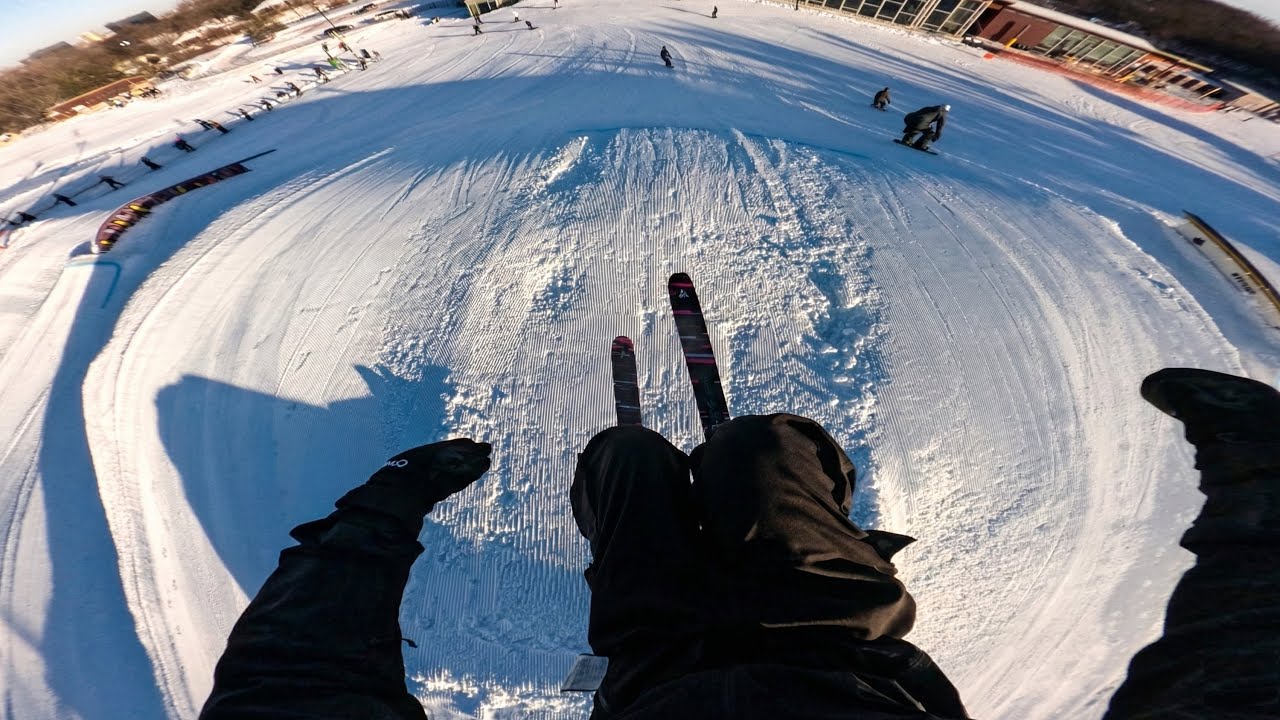
On paper, Hyland Hills looks small: roughly 13 named runs across around 35 acres of skiable terrain, with top elevation just over 1,075 feet and a base near 900 feet. In practice, it rides much bigger than those numbers suggest because almost every square metre is put to work. Carefully shaped learning zones, groomed frontside corridors, and multiple rope-tow-served parks are laid out across a compact hillside that is lit for night skiing every evening in season. The area welcomes well over a hundred thousand visits in a typical winter, making it one of the busiest municipal hills in the United States.
For freeskiers, Hyland Hills matters because it proves what a small hill can do when it takes progression seriously. The terrain parks and short, high-frequency laps have earned a “world-class” label among Midwest park riders, and the race programs based here have helped produce athletes who go on to national and even World Cup careers. Hyland is less about big-mountain exposure and more about repetition, community, and the kind of focused practice that builds real skill.
Terrain, snow, and seasons
Hyland’s terrain is arranged in a simple, efficient fan below the main chalet. From the top, you can drop into beginner greens, flowing blues, steeper blacks, or directly into the terrain park lanes, all with clear sightlines to the base area. Official stats list 13 runs in total, with a mix of easiest, more difficult, and most difficult trails plus dedicated freestyle zones. The vertical may be just 175 feet, but the fall line is consistent, so you get a full sequence of turns on each lap instead of long runouts or flats.
The hill’s natural snowfall is modest by mountain standards, averaging under 60 inches per year, so Hyland leans heavily on modern snowmaking to build and maintain its base. Snowguns line the key corridors, and grooming teams work nightly to reset the surface into smooth corduroy for the morning crowd. Through a typical season, you can expect firm, consistent man-made snow that gradually softens during sunny afternoons or warm spells, then refreezes and is retilled for the next day. That reliability is part of why local racers and park riders love the place: conditions are predictable enough that technique, timing, and creativity become the main variables.
The operating season usually runs from early December into mid-March, depending on temperatures and the region’s weather patterns. Because the hill sits at low elevation on the edge of a major metro, marginal days are common, but the combination of snowmaking and efficient grooming keeps the core runs and parks open through freeze–thaw cycles. Night skiing every evening is a defining feature, turning the hill into a lit-up playground long after dark and making it possible for Twin Cities skiers to stack laps around work and school schedules.
Park infrastructure and events
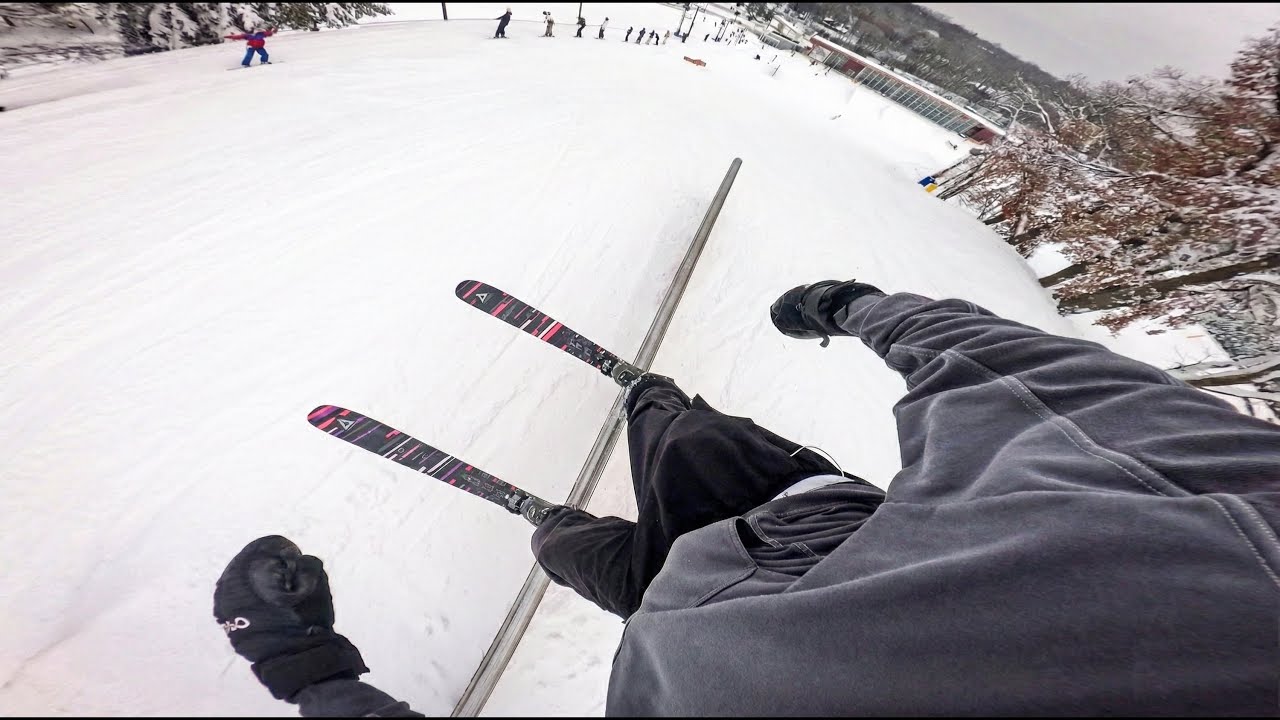
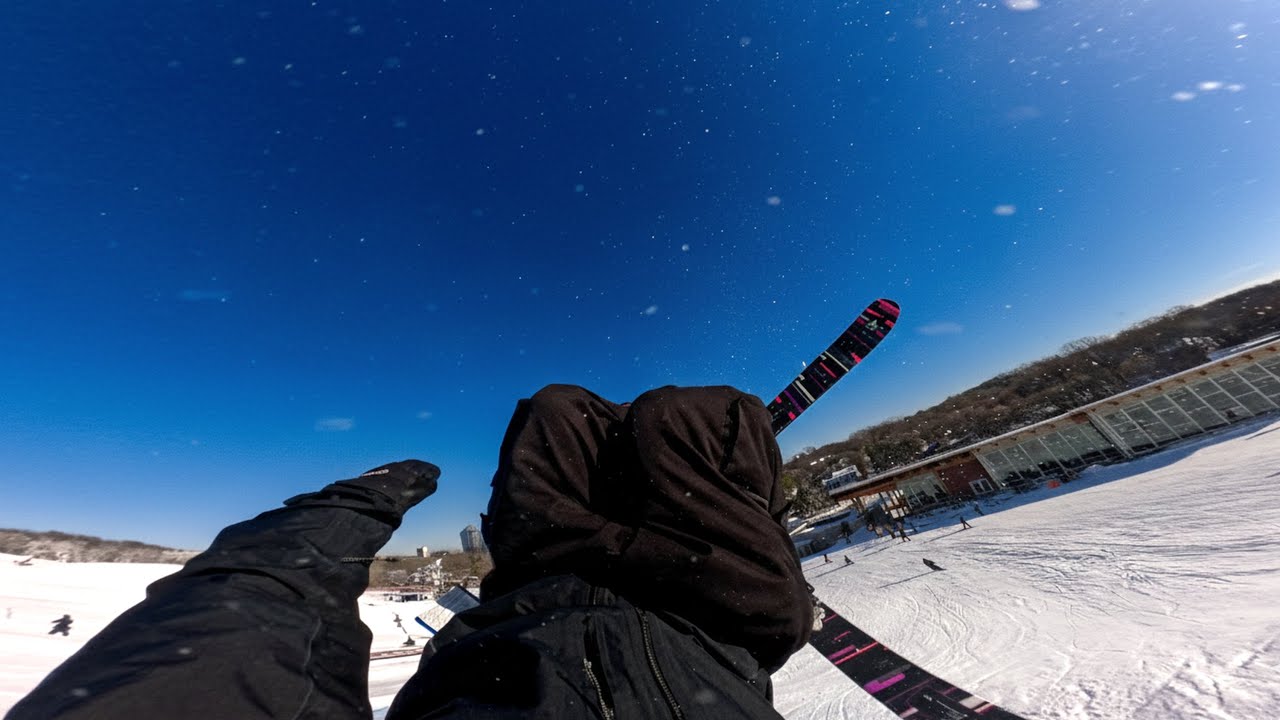
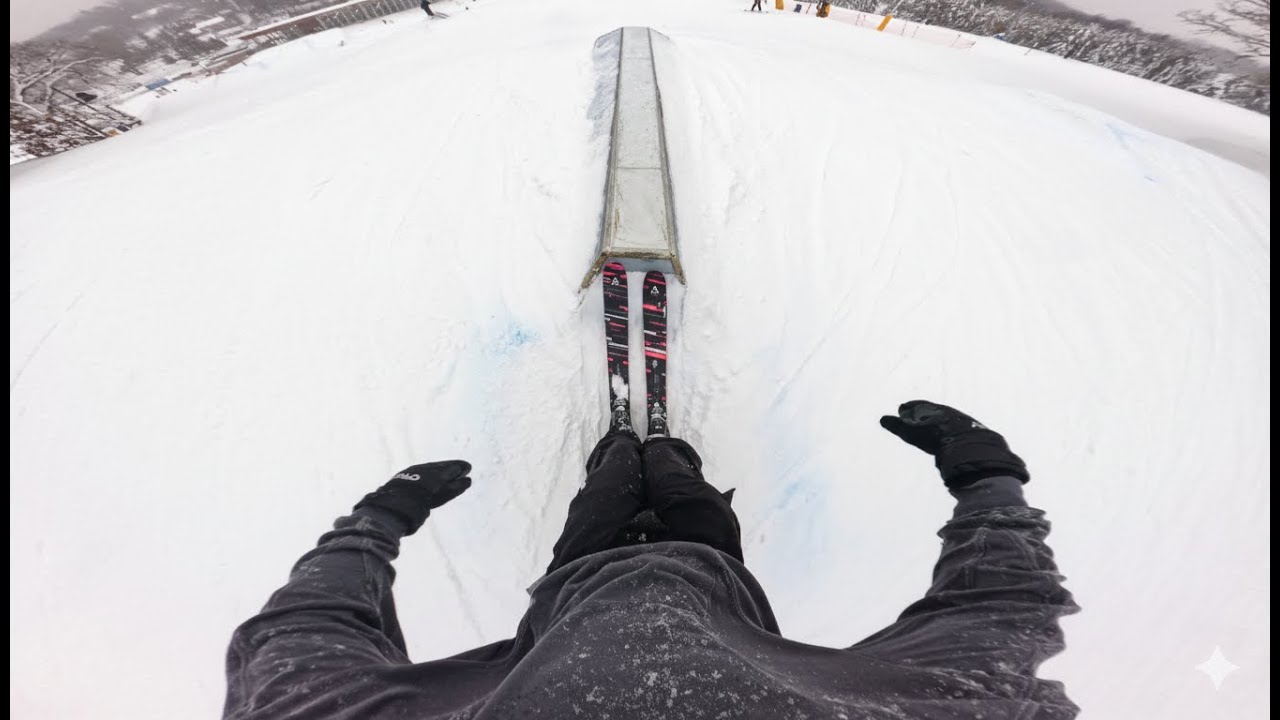
Hyland Hills is best known in freeski circles for its terrain parks. The hill typically runs multiple parks at once, including a small-feature beginner zone and at least one larger park that many riders describe as among the best rope-tow parks in the Midwest. Features are laid out in dense lines: boxes, flat and down rails, kinks, cannons, wallrides, butter pads, hips, and creative jib features arranged to maximise hits per lap. Because rope tows and surface lifts directly serve the park lanes, riders can squeeze dozens of terrain-park laps into a short session.
The design philosophy leans hard into progression. At the entry level, small boxes and modest rollers let first-time park skiers learn approach, pop, and basic slides without taking big risks. Intermediate lanes introduce more speed, longer rails, and small to medium tables that are perfect for working on 180s, 360s, and switch landings. In the main park, the crew builds more technical rail sets and step-up or step-down style jumps when snowpack allows, giving advanced riders legitimate features to film on or prepare for regional contests.
Hyland also hosts a busy schedule of events and training programs. The SnowSports Academy runs a terrain park development program that teaches fundamentals of freestyle in a structured environment, and local clubs base their slopestyle and rail-focused teams here. Rail jams, youth comps, and low-key jam-format sessions pop up through the season, often under the lights with music streaming out from the chalet deck. For a lot of Twin Cities freeskiers, their first contest run, first proper rail trick, or first filmed edit segment happens on Hyland’s features.
Access, logistics, and on-mountain flow
One of Hyland’s biggest advantages is how easy it is to reach. The ski area sits in Bloomington, a short drive from downtown Minneapolis and Saint Paul and only minutes from the Mall of America and Minneapolis–Saint Paul International Airport. Most visitors arrive by car via major freeways and park at the chalet, though local skiers sometimes combine public transit with a short rideshare hop to the hill. The location inside a larger regional park means there is room for overflow parking, walking paths, and other winter activities beyond the lifts.
The lift system is built for volume: multiple chairlifts serve the main frontside, backed up by several rope tows and magic carpets for the beginner slope and park zones. Because the hill is compact, you are never far from the chalet, rental shop, or lesson meeting areas. From the top of any chair, you can choose to lap groomers, dive into the parks, or work a steeper line without having to navigate complex traverses or long cat tracks.
Inside the chalet, a major renovation delivered a modern base with large windows onto the slopes, a food court, rental and tuning facilities, a gear shop, and plenty of seating. This makes it easy to manage quick breaks between laps, warm up on bitter nights, or supervise kids in lessons while still keeping an eye on the hill. For groups, school programs, and race or park teams, the layout is simple and efficient: gear up, step outside, and you are within a short slide of every main lift.
Local culture, safety, and etiquette
Hyland Hills’ culture is defined by its role as a community hill. Families, school groups, and first-time riders share the slopes with serious racers, park crews, and long-time locals who treat the place as their winter gym. Weeknights often see the hill buzzing with kids in matching team jackets running gates, crews lapping the rope-tow park until closing, and casual skiers making a few runs after work before grabbing food in the chalet.
Because the terrain is compact and night skiing is central to the experience, safety and etiquette matter. Standard skier responsibility rules apply: control your speed, give right of way to those downhill, and respect slow zones around beginner areas, lift mazes, and the base of the hill. Patrol and hill staff are visible and approachable, helping guests with directions, minor injuries, and reminders about closures or safe behavior.
In the parks, Hyland strongly promotes a Park Smart mindset. Riders are expected to inspect features before hitting them, call their drops clearly, and clear landings quickly so others can drop safely. The rope tow lines mean traffic can be dense; staying predictable, avoiding cutting across landing zones, and choosing tricks appropriate to the feature size and conditions keep sessions flowing smoothly. Helmets are common, especially among park and race crews, and the SnowSports Academy weaves safety into both freestyle and traditional technique instruction.
Best time to go and how to plan
Hyland Hills typically operates from early December through mid-March, with exact dates shifting based on temperatures and snowmaking windows. For freeskiers, the prime stretch is usually from late December into late February, when the base is well established, the terrain parks are fully built, and the lesson and race calendars are in full swing. Cold snaps are common in Minnesota winters, so planning layers, good gloves, and face protection is as important as picking dates.
Most locals treat Hyland as a session hill rather than an all-day destination: short, intense visits of two to four hours, often at night. Day tickets, punch passes, and season passes are available through the official resort channels, and package deals for lessons and rentals make it easy for new skiers to get started without buying gear. Because the hill is close to the city, you do not need to lock in lodging; instead, you can watch the forecast and snow report and decide on park or groomer missions a day or two ahead.
If you are visiting from outside the Twin Cities, it can be fun to pair Hyland with other Minnesota hills such as Buck Hill, Afton Alps, or Welch Village, using the city as a base and exploring the region’s different takes on small-hill skiing. For a freeski-focused trip, staking out a few evenings at Hyland specifically to lap the rope-tow parks is a smart move; those quick-hit sessions are where you will really feel the hill’s personality and progression potential.
Why freeskiers care
Freeskiers care about Hyland Hills because it embodies the idea that you do not need big mountains to build big skills. The combination of short runs, fast lifts, and dense terrain-park layouts turns every session into a high-repetition training block. You can work the same rail feature dozens of times in a night, refine a new spin with incremental tweaks, or re-run a favorite line until it feels automatic. That kind of focused practice is hard to replicate at sprawling destination resorts where long lift rides and wide spacing spread riders out.
At the same time, Hyland is more than just a practice hill. Its race clubs, freestyle programs, and night-ski scene have helped shape generations of Midwest skiers whose style and work ethic show up later on bigger stages. For skipowd.tv, Hyland Hills sits on the map as a classic example of a “small but mighty” park and progression hill: a place where local kids grow into serious riders, where community is visible in every lift line, and where the glow of the lights on a cold Minnesota night means another round of laps is just getting started.