The Bag O Tricks
Profile and significance
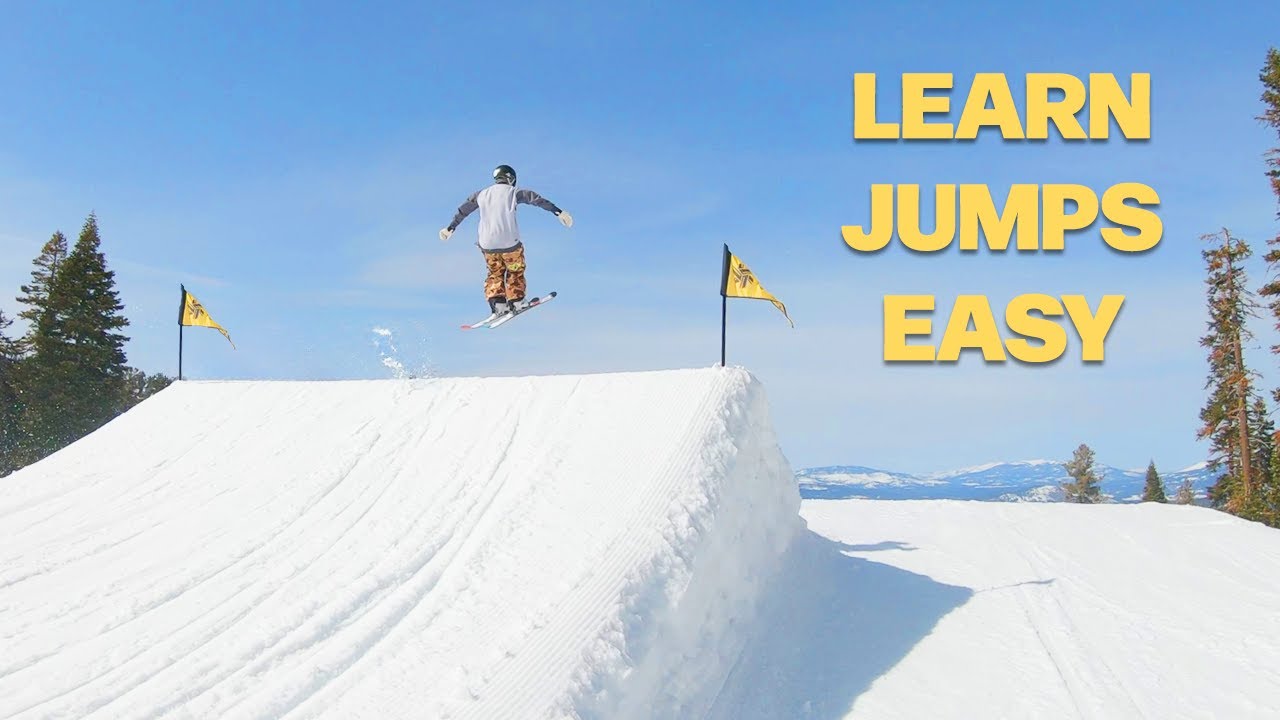
Josh, better known online as “The Bag o' Tricks”, is a freeski content creator and park skier whose tutorials and point-of-view edits have become a reference for skiers learning slopestyle, big air basics and urban/street skiing fundamentals. Rather than chasing FIS World Cup podiums, he has spent more than a decade building a teaching-driven YouTube presence that breaks down tricks, explains park vocabulary and shows real progression sessions in an honest, accessible way. His videos reach tens of thousands of skiers who want to improve, and his role as a featured creator and judge for Insta360 contests underlines how his skiing and camera skills now influence the wider snow sports media space.
With consistent uploads ranging from first-day-on-skis advice to intermediate and advanced park trick breakdowns, Josh positions himself as both skier and coach. The “Bag o' Tricks” identity captures exactly what viewers come for: a toolkit of ideas, drills and creative features that help them progress without needing access to elite coaching or massive competition parks.
Competitive arc and key venues
Unlike many freeski athletes who move up through national teams and FIS circuits, Josh’s trajectory is built around edits rather than result sheets. He has documented his own progression for roughly fifteen years, starting with early GoPro-style park laps and evolving toward structured tutorials that show skiers how to move from basic rail slides and small jumps into more advanced tricks. His channel is full of “progress days” in which he openly attempts new tricks on camera, including misses and falls, which gives viewers a realistic sense of how progression actually looks.
Much of his skiing is filmed at major North American resorts, with recurring appearances at Park City Mountain in Utah and Heavenly Mountain Resort in the Lake Tahoe region. These mountains offer varied terrain parks, groomers and steeper runs, allowing him to switch between coaching-style videos on fundamentals and more flow-driven edits. He also highlights East Coast terrain in “park laps” edits, underscoring his roots in icy, compact parks where edge control and rail precision matter more than sheer size of jump.
How they ski: what to watch for
Josh’s skiing is built around control, repeatability and clear technique that reads well on camera. He is not trying to win big-air contests with the biggest spins; instead he focuses on clean approach, good pop, solid grabs and confident landings that an ambitious intermediate can imagine reaching. On rails, he emphasises setup, line choice and body position more than complexity of the switch-up, which makes his explanations easy to transfer directly onto snow.
When you watch his edits, pay attention to the way he breaks down a trick from a simple version to a more advanced variation. He often starts with small side-hit or natural-feature versions before moving onto proper park takeoffs, showing how to build comfort step by step. His stance over the skis stays centred even when he is filming with action cameras close to his body, which demonstrates strong balance and awareness. This pragmatic style is ideal for viewers who want to understand slopestyle and park skiing without getting lost in a blur of spins and corks they cannot yet decode.
Resilience, filming, and influence
Running a ski channel over many seasons requires resilience as much as talent. Josh has weathered weak winters, travel changes and the usual injuries and fear management that come with freeskiing, yet he continues to produce content that documents his own learning curve in public. The fact that he is introduced by Insta360 as a creator who has been making ski content for around fifteen years says a lot about his ability to adapt, upgrade his filming style and keep an audience engaged over time.
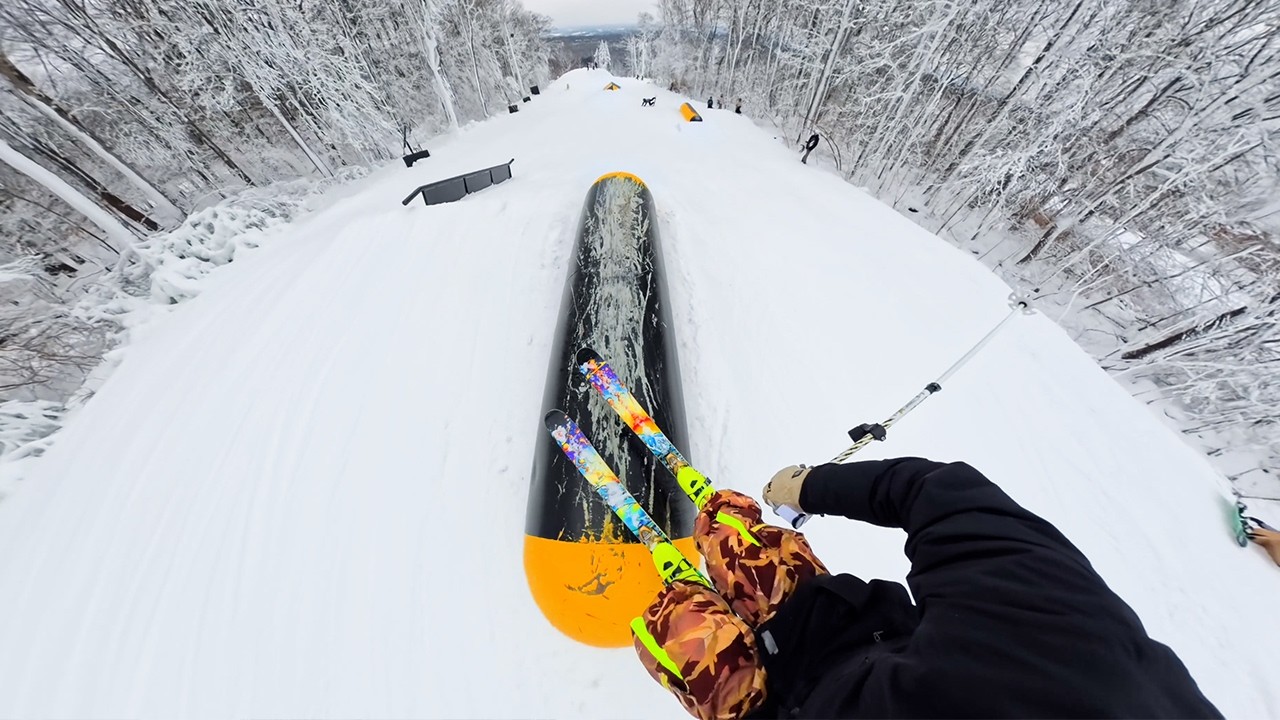
As cameras evolved, his edits shifted from simple helmet-cam footage to more sophisticated multi-angle shots using 360-degree action cameras. That evolution has helped viewers see tricks from angles that make body position and edge work much easier to study. His tutorials about understanding park terminology, reading features and choosing safe trick-progression steps have influenced a global audience of skiers who might never meet a park coach in person. Even without major contest results, that educational influence makes him a recognisable figure in the digital freeski landscape.
Geography that built the toolkit
Josh’s skiing and filming often move between big-name Western resorts like Park City Mountain and Heavenly Mountain Resort, and more modest East Coast parks. This mix of environments has clearly shaped his approach. Filming on the East Coast forces him to work with shorter runs, firmer snow and tighter features, which encourages technical park skiing and efficient, compact lines. Sessions out West, on the other hand, give him the space to stretch into longer lines, bigger jumps and scenic all-mountain footage that keeps edits visually engaging.
This geography also aligns well with his audience. Many of his viewers ski on regional hills with limited vertical and small terrain parks, so seeing him progress on relatable features at local-style parks is as important as watching him cruise iconic Western resorts. The result is a toolkit based on adaptability: he shows how to turn almost any slope or small rail park into a freeski training ground.
Equipment and partners: practical takeaways
On the equipment side, Josh highlights the synergy between his skiing and his partners. He collaborates with Insta360 for cameras, using their 360-degree setups to capture immersive POV runs and follow-cam shots that are ideal for analysing technique. In his social bios he also tags J Skis, a brand known for limited-run, twin-tip freeski designs, and Glade Optics, which focuses on high-performance goggles designed for variable light on the hill.
For skiers following his example, the takeaways are straightforward. A versatile twin-tip ski with a park-friendly flex, reliable bindings and boots tuned for comfort and control will let you explore both slopestyle lines and side hits. Quality goggles that handle flat light help when learning new tricks, because seeing the landing clearly matters as much as the trick itself. Finally, even if you do not own a 360-degree camera, filming your attempts from multiple angles and reviewing them—as Josh does—can dramatically speed up your learning curve.
Why fans and progressing skiers care
Fans gravitate toward The Bag o' Tricks because he occupies a sweet spot between relatable skier and knowledgeable freeski guide. He skis at a level that is aspirational yet reachable, openly shows the trial-and-error behind new tricks, and explains park etiquette and terminology in plain language. For beginners and intermediates trying to enter slopestyle, big air or even light urban/street skiing, his videos reduce the intimidation factor and provide a roadmap from first rail slide to more technical tricks.
For progressing skiers, Josh’s career illustrates that influence in modern freeskiing is not limited to World Cup or X Games invitations. By consistently documenting his skiing, collaborating with respected brands and contributing as a judge for major camera-brand contests, he has turned his personal “bag of tricks” into a resource library for the global ski community. Watching his channel, viewers not only learn how to ski better, they also see how creativity, persistence and good communication can build a meaningful role in the sport.