Ryan Buttars
Profile and significance
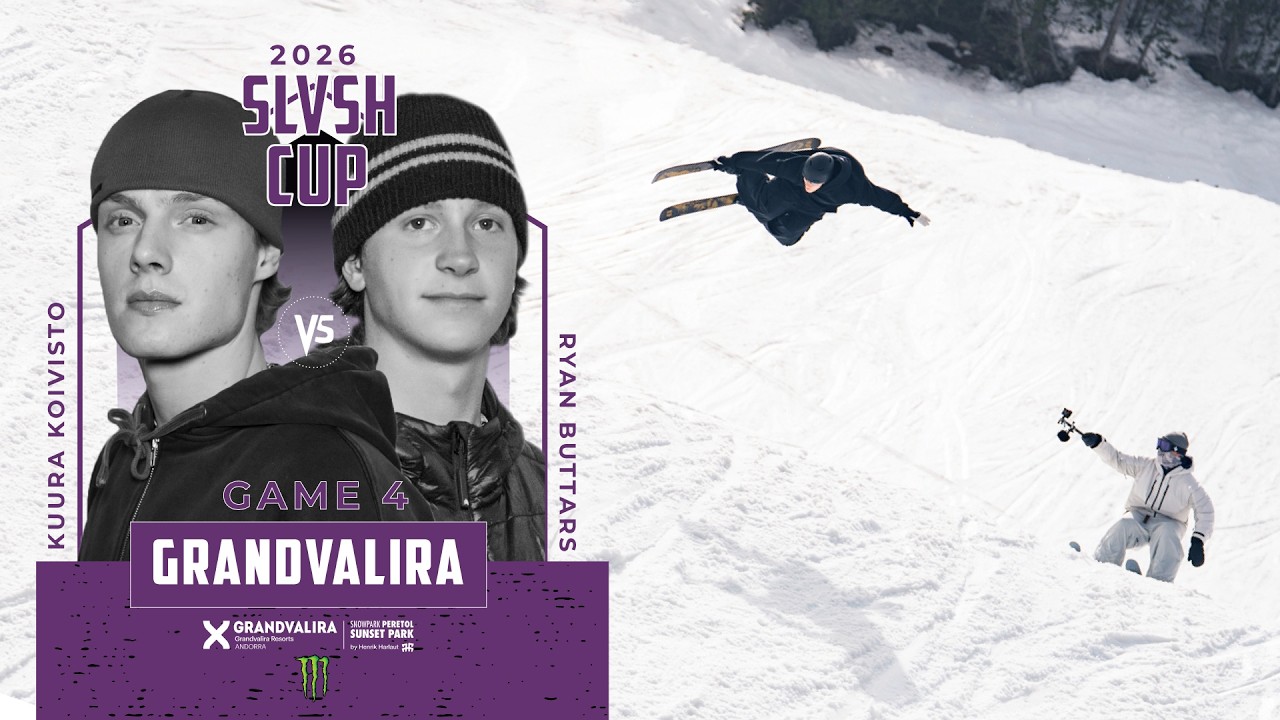
Ryan Buttars is an emerging American freeski athlete whose public record is strong enough to place him clearly inside the serious U.S. development pipeline, while still keeping him below the fully established international tier. Official FIS information identifies him as a U.S. skier born in 2007 and affiliated with Wy'East Academy, while other public athlete-facing material ties him to Telluride. That combination matters because it shows both a real competition identity and a real ski-culture background. He is not yet a World Cup name, an X Games athlete, or a rider with a long major-podium résumé. What makes him relevant now is the blend of contest progression, team-event visibility, and early brand recognition. He sits in the zone where serious freeski careers start to become legible: official starts, credible results, strong training environments, and enough public traction to suggest there is more coming.
Competitive arc and key venues
Buttars’ clearest verified competition lane is slopestyle. His strongest public result so far is a 4th-place finish in men’s freeski slopestyle at the 2025 U.S. National Championships at Copper Mountain, which is a meaningful marker because it shows he can push close to the front in a serious domestic field. His 2026 Nor-Am results at Copper and Stoneham add more shape to the profile, with finishes inside the top 20 in slopestyle rather than one isolated scoreline. That is useful because emerging skiers are usually easier to trust when their results begin to repeat across venues. Beyond standard contest structure, Buttars also appeared on the athlete roster for Red Bull Cascade 2025, where his team won the event. That matters in a different way. Cascade is not just a normal judged slopestyle contest. It tests range, creativity, and the ability to handle a course built around modern freeski variety. For a young skier, that kind of inclusion says a lot.
How they ski: what to watch for
The safest way to understand Buttars right now is to see him as a contest-trained slopestyle skier with clear freestyle range and enough rail interest to stand out beyond pure jump mechanics. Public athlete material linked to Cascade describes his favorite tricks in a way that combines switch doubles with long and more technical rails, which fits the broader picture of a skier being built around complete-run quality rather than one oversized air. That matters because modern freeski rewards balance. A skier who can only jump well becomes easier to score against. A skier who can handle rails, speed management, jump timing, and line composition is much harder to ignore. For viewers, the key thing to watch is whether Buttars keeps converting this versatility into cleaner top-to-bottom contest runs. There are already hints of a park-and-creative style crossover in his public image, but his strongest verified identity remains slopestyle rather than big air alone or a fully developed urban/street skiing film persona.
Resilience, filming, and influence
What gives Buttars enough substance for a real article is that his profile is not built on results alone. His public trail already runs through competition, academy training, brand visibility, and local ski-film culture. He has been publicly linked with a locally produced Telluride ski film project, which suggests that his skiing life is not confined to bib-and-judges settings. That matters because many of the best young freeskiers grow through both lanes at once: competitions build discipline, while filming builds style, creativity, and confidence outside fixed courses. His public record also shows the more ordinary resilience that matters in development-stage freeski. He has moved from a youth club environment in Telluride into the much more structured world of Wy'East Academy, then into national championships, Nor-Am starts, and invitational-style events. That kind of path requires travel, adaptation, and the ability to keep progressing even before the sport gives you major headlines.
Geography that built the toolkit
Geography is one of the clearest ways to read Buttars. Telluride gives him a strong mountain identity rooted in Colorado terrain and a real local ski culture, while Wy'East Academy places his development in the high-repetition freestyle environment around Mt. Hood. That combination is valuable because it blends mountain instinct with structured park training. Public brand-facing material around him also points toward Mt. Hood Ski Bowl as a favorite park environment, which fits the broader Oregon training picture. Then his competition map widens the toolkit further through places like Copper Mountain and Stoneham. For readers, the practical takeaway is simple: Buttars is not developing in only one kind of freeski setting. He has roots in a major Colorado resort community, schooling and daily training in the Mt. Hood ecosystem, and competitive exposure in events that ask very different questions. That kind of geography often produces adaptable skiers.
Equipment and partners: practical takeaways
One of the useful things about Buttars’ public profile is that it already shows early partner signals, even if it is still too soon to present a complete sponsor map with confidence. Public pages connect him with Jiberish and Wear Leathers, and the Leathers profile lists his skis as ON3P. That is enough to show a real brand-facing presence, but not enough to pretend every piece of his setup is fully documented and stable. For progressing skiers, the lesson is actually useful. This stage of a career is usually about environment and output first, sponsorship clarity second. The bigger practical takeaway from Buttars is not “copy this exact setup.” It is that serious young freeskiers tend to get noticed when they combine good training bases, visible contest results, and enough style or personality that brands can see where the story is going.
Why fans and progressing skiers care
Ryan Buttars matters because he represents a credible version of the modern American freeski climb. He has a verified FIS identity, a strong school affiliation through Wy'East Academy, roots in Telluride, a 4th-place finish at the U.S. National Championships, top-20 Nor-Am slopestyle results, and a team win at Red Bull Cascade. That is enough to make him more than just another junior name in a results archive. For fans, he is worth watching because his career is still in the construction phase, where movement from promising to genuinely important can happen quickly. For progressing skiers, his profile is useful because it shows what a believable path looks like now: local roots, academy structure, travel, contest reps, brand attention, and enough range to matter both inside and outside the course tape.