Kevin Merchant
Profile and significance
Kevin “Tweak” Merchant is a U.S. freeski skier whose name is closely tied to the East Coast park scene and the culture that surrounds it: long winters of lapping rails, building style through repetition, and treating the terrain park as both a training ground and a creative canvas. Born and first raised on snow in Alaska, he later planted roots in Vermont and became strongly associated with Killington Resort, a place where park skiing is as much a community as it is a set of features. Merchant’s significance comes less from a medal headline and more from the role he has played for years as a visible skier-coach-connector in freeskiing: someone who can ski with real flavor, teach progression, and help shape the next wave of East Coast talent.
In an era where many athlete profiles are reduced to a few contest placings, Merchant represents a different kind of freeski credibility. He has been publicly described as a longtime head freeski coach at Killington Mountain School, guiding programs across slopestyle, halfpipe, big air, and rail-focused training, and he has been involved with LINE Skis in an East Coast team role centered on finding and supporting emerging riders. That blend of coaching, scouting, and on-snow output matters for a video-first ski platform, because it explains why his skiing is worth watching: it’s built for longevity, for clean execution, and for the kind of style that holds up when the camera is rolling and when the park is busy.
Competitive arc and key venues
Merchant’s ski story is rooted in movement between regions rather than a single, linear contest ladder. School and program announcements have described him learning to ski in Alaska before relocating to western Pennsylvania in the late 1990s, where he began competing and later added professional-instructor credentials in the early 2000s. That background matters because it hints at a foundation built on fundamentals and teaching, not just highlight tricks. In freeski, athletes who become strong coaches often share one trait: they understand how technique creates repeatability, and repeatability is what turns “I landed it once” into “I can land it when it counts.”
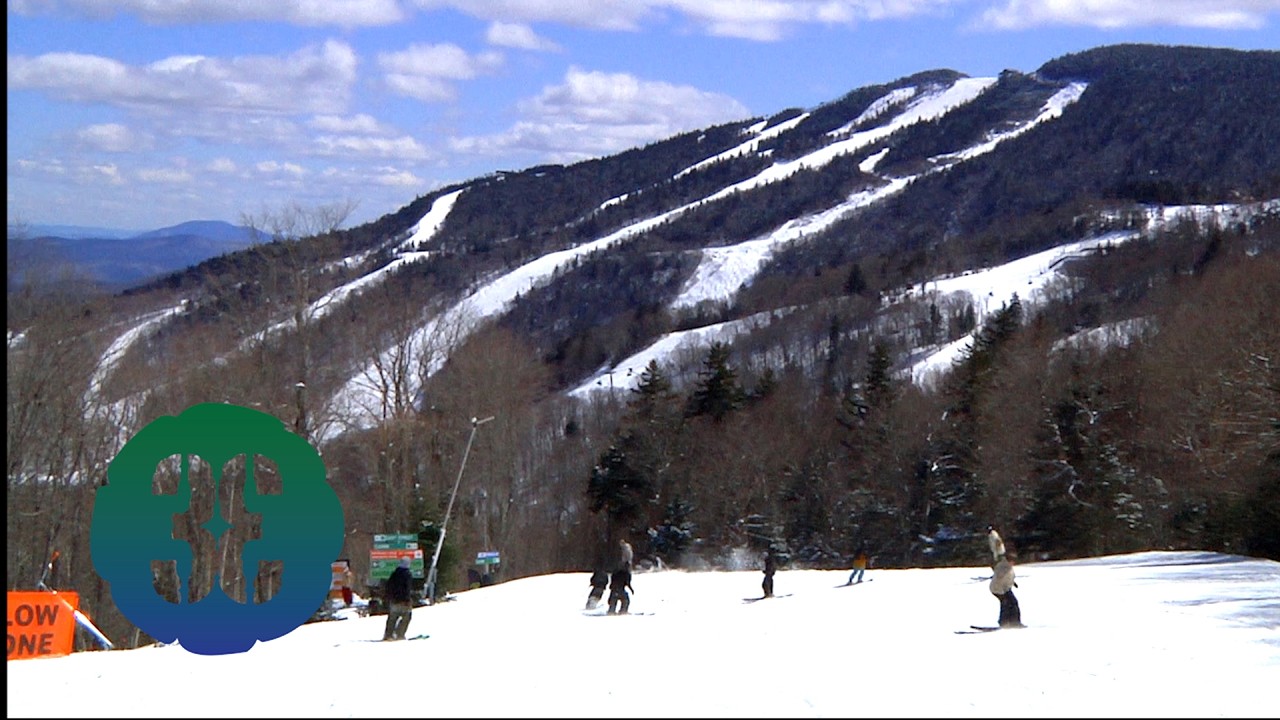
The venue that defines Merchant’s public career is Killington Resort. He has been consistently linked with Killington’s park ecosystem as both a skier and a coach, and that’s not a small detail. Killington has long been an East Coast reference point for terrain parks, spring laps, and a dense local scene where skiers progress quickly because they’re surrounded by other motivated riders every day. Merchant’s “competitive arc,” in the broad sense, is the arc of someone who committed to that environment: coaching athletes who pursue contest disciplines like slopestyle and big air, while also staying immersed in the daily park rhythm that sharpens style and rail fluency.
His association with LINE Skis adds a second kind of credibility. Being involved with a brand known for athlete-driven freeski culture places him in the middle of the sport’s development pipeline, where the “next names” often appear first through parks, edits, and crew sessions before they become widely known. Merchant’s career is therefore best understood through the venues that make and break East Coast freeskiers: a home base at Killington Resort, plus the wider Northeast travel circuit of parks, spring laps, and rail-focused trips that shape the urban and street-leaning side of freeski culture.
How they ski: what to watch for
Merchant’s nickname gives you a clue about what stands out on snow: he’s a skier who cares about how a trick looks, not just whether it’s difficult. In park terms, that usually means emphasizing clean body position, confident speed, and grabs or tweaks that make spins feel like shapes rather than numbers. If you’re watching him with a technical lens, focus first on his rail approach. Park skiing is often decided before the trick happens: the speed choice, the entry angle, and the calmness of the upper body determine whether the rail section looks effortless or tense. Merchant’s skiing is best appreciated when you notice how little he appears to “fight” the feature.
Another thing to watch is the way he links hits. A lot of park skiers can produce one great clip, but fewer can ski a full line that stays coherent from the first rail to the last jump. Merchant’s background in coaching and daily park repetition shows up in line flow: landing positions that preserve speed, quick stance resets, and transitions that look planned rather than improvised. That skill is especially relevant for slopestyle-minded viewers, because it’s the same quality judges reward—execution, continuity, and composure—just applied in an everyday terrain-park setting.
Finally, watch the “East Coast factor.” Northeast parks often involve firmer snow, tighter setups, and a rail culture that values precision. Skiers who come out of that environment tend to have a certain efficiency: they can make small features look creative, and they can keep style alive even when conditions are fast and unforgiving. Merchant’s skiing fits that pattern. He isn’t selling a fantasy of perfect snow every day; he’s showing what progression looks like when you lap what you have and make it look good.
Resilience, filming, and influence
Merchant’s influence is strongly tied to mentorship and visibility. Being described as a head freeski coach at Killington Mountain School means he has spent years teaching the fundamentals behind modern freeski disciplines: how to build a run, how to manage speed, how to progress safely when tricks get bigger, and how to translate practice into performance. In the real world, that coaching impact can shape more careers than any single contest result—because it multiplies into dozens of athletes who learn how to train, how to land, and how to keep their skiing consistent under pressure.
He also shows up in filmed freeski culture in a way that fits his identity. LINE Skis has included him in crew-based film projects, including street-leaning edits where skiing is evaluated by style, control, and the ability to perform on non-traditional features. He has also been associated with the long-running LINE Traveling Circus universe, which is built around the idea that freeskiing is as much about friendships, trips, and sessions as it is about formal competition. For viewers, that matters because it frames Merchant as a skier who can contribute to the culture side of the sport—where creativity and personality are part of what makes the skiing compelling.
Resilience, in Merchant’s story, looks like staying relevant across eras. Terrain park skiing evolves fast: rails change, tricks change, and the “right” style shifts with each generation. The fact that he remains visible—still skiing, still coaching, still connected to brand and community projects—suggests a durable kind of freeski career. It’s not built on one season; it’s built on being useful to the scene year after year.
Geography that built the toolkit
Merchant’s geography is a major part of the profile because it explains both his toughness and his aesthetic. Starting in Alaska hints at a formative winter environment where committing to snow sports is a lifestyle choice, not a casual hobby. The later move into the eastern U.S. and the long association with Vermont points to a different kind of training reality: shorter vertical, denser park scenes, and a rail culture that rewards precision and persistence. That mix often creates skiers who are technically sharp and creatively resourceful.
Killington Resort is the centerpiece of that geography. Killington’s reputation as an East Coast park hub means a skier based there can progress through repetition and community pressure: you’re surrounded by other skiers who are also trying to land something cleaner, tweak something harder, or film something more original. Over time, that environment builds exactly the traits Merchant is known for—style that looks intentional and a practical understanding of how parks function day to day.
The broader Northeast travel loop also matters. Street and urban-inspired freeskiing has long been part of eastern culture because access and creativity often go together: when the mountain day ends, skiers find other ways to session. Even when a skier’s output stays “resort-based,” that urban mindset influences how they look at features, angles, and line possibilities. Merchant’s identity as “Tweak” fits naturally in that context: he’s a skier shaped by a scene where details matter.
Equipment and partners: practical takeaways
Merchant’s clearest public brand association is with LINE Skis, and that partnership aligns with the kind of skiing he represents: freeski culture rooted in parks, creativity, and athlete-driven progression. Rather than treating gear as a fashion statement, it’s more useful to read his equipment context as a lesson in what park skiing demands. If you spend winters lapping rails and jumps the way East Coast park skiers do, durability and predictability are everything. You want a twin-tip setup that feels balanced for switch skiing, stays consistent on takeoff, and can take repeated hits without constantly changing how it feels underfoot.
For progressing skiers, the biggest takeaway is about “feel management.” Stylish skiing is hard to maintain if you’re fighting your boots, surprised by your edges, or constantly adjusting to a new setup. Merchant’s career as a coach reinforces the basics: boot fit matters most, then binding placement that supports a centered stance, then maintenance habits that keep speed and slide predictable. Park progression is mostly repetition, and repetition only works when your equipment stops being a variable.
There’s also a partner lesson that has nothing to do with product. Working with a brand and with a coaching program is often about enabling time on snow—travel, sessions, and long seasons where progression actually happens. In that sense, Merchant’s gear story is really a system story: build the support that lets you ski a lot, and style will have a chance to develop into something real.
Why fans and progressing skiers care
Kevin “Tweak” Merchant matters because he represents the backbone of freeski culture: the skiers who make scenes thrive, not just the athletes who headline a single event. His identity is anchored to Killington Resort and the Northeast park world, where skiing is judged every day by peers who know what good looks like. Add in his long-running coaching role and his association with LINE Skis projects, and you get a profile built on real influence: teaching athletes how to progress, staying relevant through changing trends, and contributing to filmed freeski output that values creativity.
For fans, he’s worth watching because his skiing is about details—tweaks, flow, rail precision, and the kind of clean execution that makes tricks look better than they “should” on paper. For progressing skiers, his story is even more useful: it shows that style is trained, not gifted; that repetition builds consistency; and that the strongest freeski careers often come from being deeply connected to a mountain community. If you want a reference point for what East Coast park freeski can look like when it’s done with intention, Merchant is a strong one.