Jon Legault
Profile and significance
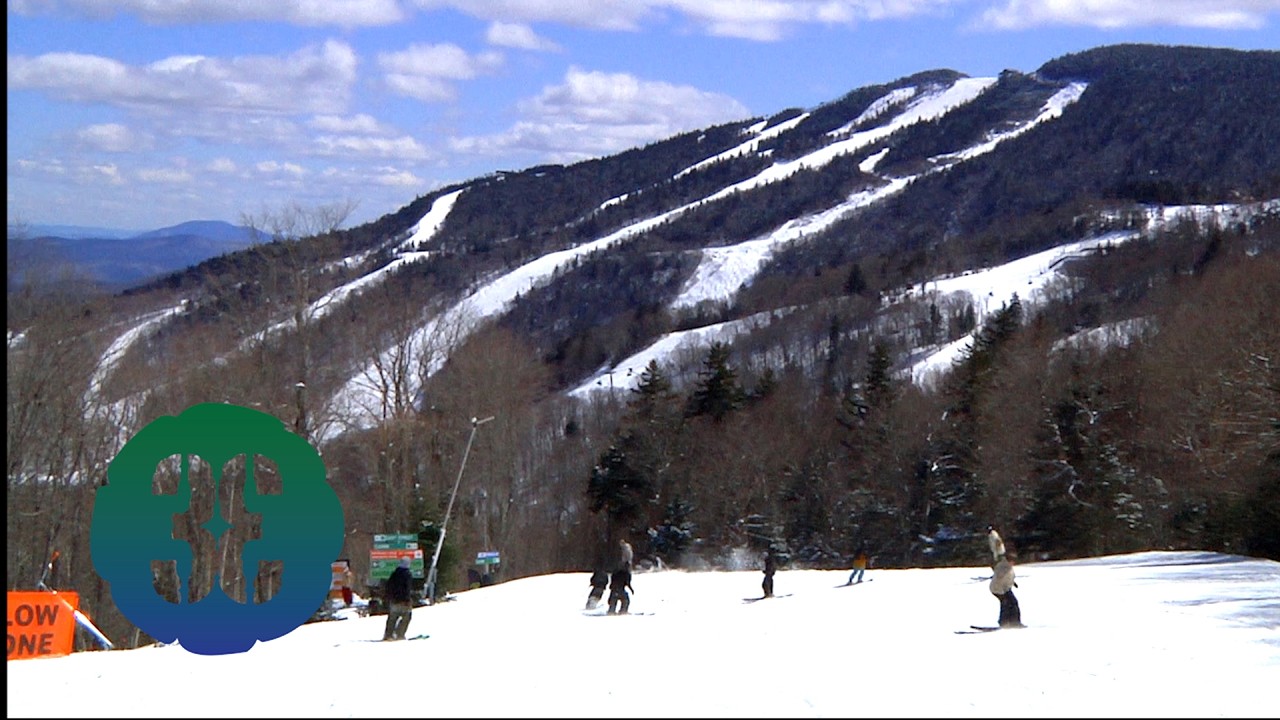
Jon Legault is an East Coast freeski figure best known for documenting terrain-park skiing from the inside: long spring laps, rail-heavy lines, and the kind of everyday progression that rarely shows up on official start lists. This profile refers to the Jon Legault credited as the filmer and editor of a spring park session video titled “Carinthia Glacier,” filmed on March 20, 2021 at Mount Snow’s Carinthia zone. That single credit is a useful anchor because it’s the most honest kind of freeski résumé: not a medal claim, but a clear, public contribution to the culture that keeps park skiing moving.
Legault’s significance is about representation and realism. East Coast freeski is its own discipline inside the discipline, shaped by firm snow, fast in-runs, and parks that change constantly with weather and traffic. Filmer-skiers like Legault matter because they don’t just “ride” the scene, they preserve it. When a crew has someone who can both keep up on snow and translate sessions into watchable edits, the whole group progresses faster and the region’s style becomes easier to recognize from outside.
Competitive arc and key venues
Legault’s public arc reads less like a contest ladder and more like a map of where East Coast park skiing gets done when it’s at its best. The “Carinthia Glacier” edit credit points directly at Carinthia Parks, a space that has long functioned as a Northeast reference point for rails, jumps, and spring momentum. Spring sessions there are a specific test: you’re skiing slushy transitions that can grab edges, rutted landings that punish lazy posture, and rail lines that stay technical even when the snow softens.
In the same regional orbit, Killington Resort sits as another cornerstone because of how long the season runs and how much park mileage that allows. When skiers talk about “East Coast progression,” they often mean weeks of repetition in a place like Killington, where the park culture is built around showing up consistently, filming with friends, and making the most of whatever the day’s conditions allow. Legault’s public identity fits that rhythm: a skier who is present in the scene and actively turning sessions into something other skiers can watch, learn from, and build on.
If you’re looking for a traditional result sheet, this isn’t that profile. The point here is a different kind of legitimacy: recognizable park venues, a dated and specific filming credit, and a clear connection to the Northeast style lane where consistency and taste often matter more than a one-time trick spike.
How they ski: what to watch for
Because Legault is most visible through park-session documentation, the best way to evaluate him is through what reads on camera in real conditions. Look at approach discipline into rails: does the skier commit early to the entry line, stay quiet in the upper body, and keep the slide balanced without a visible fight? In East Coast parks, where snow is often firm or variable, those details are everything. They’re also the same details that make a rail trick look “finished” rather than merely survived.
Watch for run flow rather than isolated moments. Park skiing that is filmed well tends to highlight skiers who can keep speed alive from feature to feature. That means landings that are centered enough to carry into the next hit, transitions that don’t require an obvious reset, and a rhythm that looks planned even when the park is busy. If you want to understand why some East Coast edits feel more “real” than glossy contest recaps, it’s because the skiing is often measured by repeatability: can you do it clean, again, when the crew wants another angle?
Another tell is feature interpretation. In spaces like Mount Snow and Killington Parks, where rails and creative transitions are a major part of the identity, style often comes from choosing lines that have personality. That doesn’t require inventing new tricks. It requires choosing the right speed, the right feature, and making the movement look intentional from entry to exit.
Resilience, filming, and influence
Filming is an underrated form of resilience in freeski. It means staying engaged through missed attempts, holding the camera when it’s cold and the snow is firm, and being willing to reset a session because the first version wasn’t clean enough. A credited filmer/editor role isn’t just a technical skill; it’s a commitment to the process that makes progression visible. When the scene has people who can capture it consistently, skiers get faster feedback and the whole group’s standard rises.
Legault’s influence sits in that practical lane. A spring edit anchored at Mount Snow is not the easiest environment to make look good. Spring snow changes by the hour. Lines get tracked out. Speeds shift. The skiers who still look smooth in those conditions tend to be the ones with the cleanest fundamentals. When a filmer chooses to document that exact window, it often means they value the most honest kind of freeski: not the perfect powder day, but the day you still went out and made the park look fun.
Over time, these contributions become cultural memory. Regional freeski is built on crews and edits. The more consistent the documentation, the easier it is for new skiers to understand what the scene values and how to progress inside it.
Geography that built the toolkit
Legault’s footprint points strongly to the corridor of southern Vermont parks where repetition is the currency. Mount Snow and its Carinthia Parks system represent one side of that toolkit: rail-focused, session-friendly terrain where speed control and precision decide whether you land clean or wash out. Killington Resort represents the other side: a long-season environment where you can build a year’s worth of progression by simply showing up enough times that the fundamentals become automatic.
This geography produces a specific kind of freeski skill. You learn to ski fast on firm snow without looking tense. You learn to commit early to rail entries because hesitation is punished. You learn to keep landings quiet because the next feature comes quickly and the park doesn’t give you time to recover. When you see East Coast skiers who make spring laps look calm, you’re seeing the product of exactly that environment.
Equipment and partners: practical takeaways
There isn’t a reliably confirmed public sponsor list tied to Jon Legault in the context of this profile, and it would be misleading to invent one. What can be taken safely from the way his skiing is documented is the equipment logic that supports East Coast park mileage. Rail-heavy skiing rewards durability and predictability: a balanced twin-tip platform that feels consistent switch and regular, edges maintained so takeoffs stay trustworthy on firm snow, and bases kept fast enough that approach speed doesn’t surprise you.
For progressing skiers, the most useful lesson is that style depends on removing variables. Boots that fit well reduce hesitation. A familiar stance helps you land centered more often. Consistent tuning keeps speed manageable and rail entries repeatable. The skiers who look smooth in spring parks are usually the skiers who can repeat their approach and landing mechanics, not the skiers who chase a new setup every month.
Why fans and progressing skiers care
Jon Legault is worth knowing if you care about freeski’s grassroots reality: the scenes that progress through daily sessions, not through podium schedules. His dated, specific credit as the filmer and editor of a spring park session at Mount Snow places him inside a real Northeast lane where skiing is measured by what you can do clean when the snow is variable and the park is busy. That’s a form of credibility that doesn’t need medals to be meaningful.
For fans, this kind of profile helps you understand where style comes from: rail discipline, quiet posture, and flow that survives imperfect conditions. For progressing skiers, it’s even more practical. Watching East Coast park edits teaches you the fundamentals that translate everywhere: commit early, stay balanced, land ready for the next feature, and keep your line coherent from top to bottom. If you want to get better at slopestyle-style laps, rails, or spring-park consistency, that’s the lane Legault helps document—and that’s why his name belongs in the archive.