Profile and significance
Eli Mitchell is a U.S. freeski park skier best known through his visibility inside the University of Vermont Freeski Team media orbit and the broader Northeast “crew edit” culture. Rather than building his public reputation through the World Cup or X Games circuit, he shows up as the kind of skier who keeps a scene moving: a consistent rider in group edits, a filmer when the camera needs a hand, and a regular presence at East Coast terrain-park destinations where style is judged every day by peers, not just by a panel.
Mitchell’s significance for a freeski video library is that he represents a common but under-documented athlete lane: collegiate and local-crew skiers who ski frequently, travel on tight windows, and compile winter output that reflects what the season actually looked like. In UVM Freeski Team releases, he’s credited both as a featured skier and as a filmer, including projects tied to Vermont park laps and a spring trip west. That mix of on-snow performance and behind-the-lens contribution is a meaningful form of influence in freeski, because it helps define a crew’s style and keeps sessions productive when everyone is trying to get clips.
Competitive arc and key venues
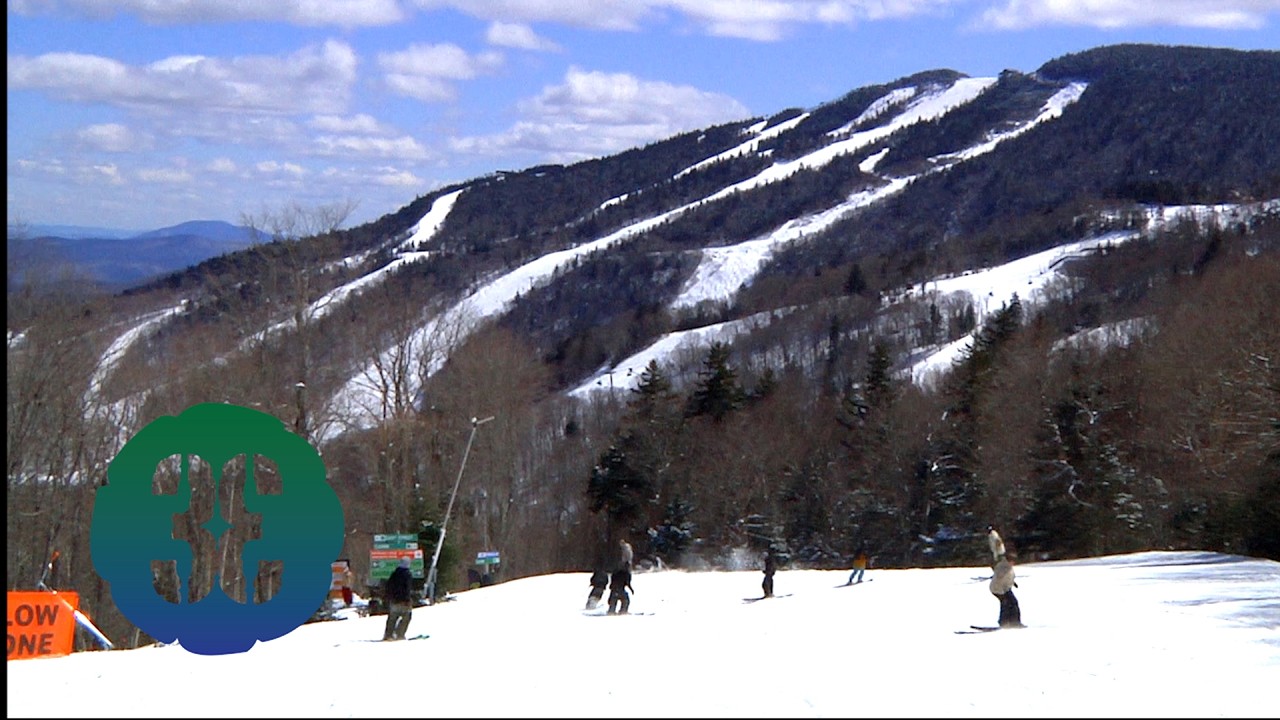
Mitchell’s publicly verifiable story is anchored more by where he skis than by a documented contest résumé. In UVM Freeski Team edits, he is named as one of the skiers for park sessions at Killington Resort, a venue that’s become a Northeast benchmark for terrain-park volume, spring laps, and rail-heavy progression. He also appears in edits that reference the Vermont-and-beyond park loop, including footage described as being filmed at Sugarbush Resort, another core stop for skiers who build style through repetition rather than chasing a single event week.
Travel is part of the arc, too. One UVM Freeski Team release describes a spring-pass trip to Oregon, which fits the familiar Pacific Northwest spring-ski rhythm that many park skiers use to extend their season and dial tricks after midwinter storms stop cooperating. For a skier in this lane, that kind of trip is effectively a “training block”: long days, predictable features, and the chance to make technique look smoother rather than merely landing something once.
Another recurring destination in the team’s public output is Copper Mountain in Colorado, referenced through UVM’s trip context around the USASA Nationals window. Even without claiming a specific result, the location itself matters because Copper is a known gathering point for spring competition and late-season park sessions. For a developing or crew-based skier, spending time in that environment can raise the baseline quickly—bigger features, deeper peer talent, and constant opportunities to compare notes with other riders.
How they ski: what to watch for
Mitchell is best evaluated through the “park fundamentals that read on camera” lens. In crew edits, the tricks that stand out are usually the ones that look composed: smooth approaches, quiet upper body, and an exit that sets up the next feature without a visible speed check. When you watch him in East Coast park footage, look first at rail entries and exits. A clean rail trick often starts with the approach line being chosen early and confidently, then ends with a dismount that preserves momentum and flow. Those details are subtle, but they are what separate a clip that looks random from a clip that looks intentional.
Even in short edits, you can still evaluate the useful pieces. Watch the timing into takeoff, the patience in the air, and whether the landing posture looks ready for the next hit. In filmed freeski, the line doesn’t need to be judged to feel “high level,” but it does need to look like it could be repeated. Repeatability is the real marker of skill in this lane, and it’s also what makes a crew session look calm instead of frantic.
Resilience, filming, and influence
Mitchell’s influence is tied to the practical work of making freeski media happen. In UVM Freeski Team releases, he is credited as a filmer on at least one project, which implies he is part of the routine that keeps sessions moving: passing the camera, getting angles, and staying engaged even when he isn’t the one dropping next. That role matters more than many viewers realize. Crews progress faster when someone is willing to film consistently, because athletes get feedback immediately and can decide whether a trick is truly clean or needs another attempt.
Resilience shows up in the rhythm of these projects. Northeast skiing is not always “perfect snow, perfect park.” Conditions change quickly, features get salted or rutted, and the best clips often come from skiers who keep their style intact when the surface is firm. The fact that Mitchell appears across multiple seasonal edits and trip recaps suggests a skier who stays in the process: show up, take laps, accept misses, and keep building until the skiing looks relaxed on camera.
Geography that built the toolkit
The geography in Mitchell’s public footprint is a classic East Coast-to-western-trip progression map. Vermont’s park scene rewards precision. When conditions are firm and speed is high, small technical errors show up immediately, especially on rails. Skiers who get comfortable there often develop efficient movement: clean edging, calm posture, and the ability to “stay stacked” even when the feature is tight and the run-in is fast.
Then the travel component adds range. Sessions at Killington Resort and Sugarbush Resort build the everyday style foundation. A spring window out west offers long-session repetition that helps make tricks look more deliberate. And time spent at Copper Mountain places a skier in a national gathering point where feature scale and peer level can push progression quickly. Together, those zones help explain why collegiate freeski skiers can look so polished: they’re constantly translating the same fundamentals into different snow and different park builds.
Equipment and partners: practical takeaways
Mitchell’s publicly available information does not consistently document a verified sponsor roster or specific equipment setup, so it would be misleading to attach brands to his name. What can be drawn safely is the equipment logic implied by his skiing environment. East Coast park laps and rail-heavy sessions typically demand durability and predictability: a twin-tip ski that feels balanced for switch takeoffs and landings, edges maintained so takeoffs stay trustworthy, and a base that’s fast enough to make speed consistent from attempt to attempt.
For progressing skiers, the key takeaway is to remove equipment surprises so style has room to show through. Boots that fit well reduce hesitation on takeoff and help landings stay centered. A familiar mount and stance make spins and switch landings feel consistent. Regular tuning matters because rails and firm snow can punish sloppy edges or slow bases. In crew filming culture, “the best gear” is often the gear that lets you take more attempts without thinking about it, because more attempts are how tricks become clean rather than merely landed.
Why fans and progressing skiers care
Eli Mitchell is a useful freeski profile because it highlights an authentic side of the sport that many viewers actually live: the collegiate-and-crew layer where skiing is evaluated by style, consistency, and contribution to the session. His visible footprint in University of Vermont Freeski Team edits places him in a real, ongoing community that skis Vermont parks and travels when the window opens, including trips connected with Copper Mountain and spring skiing out west.
For fans, that means he’s worth watching if you like park skiing that feels real rather than overproduced: short edits, fast laps, and the kind of clean rail-and-jump skiing that’s built through repetition. For progressing skiers, his lane offers a concrete lesson. Style isn’t an accident. It’s what happens when you keep your approach calm, your landings centered, and your transitions efficient—run after run, day after day—until the skiing looks effortless on camera.