Profile and significance
Davis Taylor is an American freeski skier whose public identity is built around season-edit storytelling rather than a medal-heavy contest résumé. He has released multiple “Snow Stunts” style edits over several winters, presenting a mix of park laps, rails, jumps, and powder days across a wide slice of North American skiing. That matters for a video-first ski archive because it reflects a major truth about modern freeski: a lot of the sport’s most watchable progression happens outside formal start lists, in the spaces where skiers film with friends, stack clips over months, and let the season’s travel map shape the final story.
Two things make Taylor’s profile clear and verifiable as a freeski subject. First, he has a consistent footprint as the named skier in multi-year edits that document where he skied and what kind of skiing he prioritizes. Second, he has appeared in official program staff listings as a Youth Ski League coach with the Big Sky Ski Education Foundation, which anchors him in a real mountain community rather than a one-off internet identity. For fans, that combination reads as “community freeski with real mileage”: a skier who lives the park-and-storm-cycle rhythm and turns it into films that other skiers actually want to watch.
Competitive arc and key venues
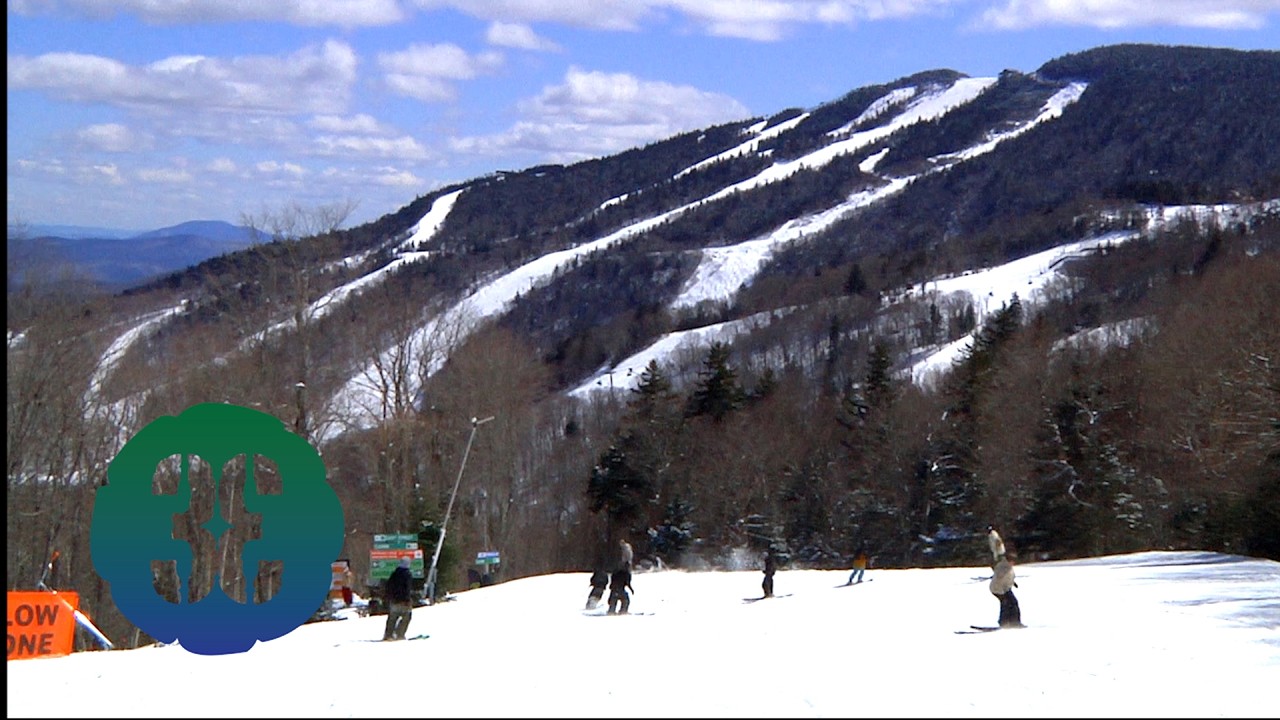
Taylor’s arc is best described as a progression timeline told through locations, not through podiums. Earlier edits place him filming park skiing at Killington Resort, one of the East Coast’s most recognizable terrain-park hubs. Later season cuts broaden the map dramatically, with clips attributed to Montana and the Pacific Northwest, plus spring laps on Mount Hood. Instead of a single “breakout event,” his career signal is consistency: returning each winter with another installation, another set of trips, and another edit that tries to capture what the season actually felt like.
Several venues repeatedly connected with his filming are well-known in freeski culture for different reasons. Killington Resort represents East Coast park density and the kind of rail-focused daily repetition that builds precise approach discipline. Big Snow American Dream represents the indoor, year-round training mindset—short, intense sessions where tricks get refined without waiting for winter. In Montana, his edits reference days at Big Sky Resort and Bridger Bowl, mountains known for strong freeride culture and big storm-day energy that naturally pull a park skier into powder and off-piste creativity.
Spring on Timberline Lodge (Mount Hood) matters too. Hood spring skiing has a specific role in freeski progression: it’s where skiers buy a pass, lap features for weeks, and convert winter ideas into clean, repeatable tricks. When an athlete’s film map includes Hood, it often signals a serious commitment to repetition and style refinement rather than only chasing “best day” conditions.
How they ski: what to watch for
Taylor’s skiing is easiest to read as a blended freeski toolkit: park fundamentals (rails and jumps) layered with powder and freeride days that demand a different kind of balance and speed control. In practical terms, that means you should watch the transitions as much as the tricks. Park skiing looks best when the skier exits a rail already set up for the next feature, or lands a jump in a stance that keeps speed alive without visible correction. Those “between-feature” moments are where style becomes real, because they show whether the skier is flowing or surviving.
His edits also suggest a street-inspired mindset without needing to label it “urban skiing.” The tell is feature interpretation: how a skier uses rails, side hits, and natural transitions to make familiar terrain feel personal. In slopestyle and big air competition, difficulty can dominate the conversation. In filmed freeski, the viewer often cares just as much about shape, timing, and confidence. Taylor’s watch value sits in that filmed logic: clean approaches, quick resets, and a willingness to mix park laps with the texture of real mountain snow.
Resilience, filming, and influence
Putting out season edits year after year is its own form of resilience. It means skiing through low-snow stretches, traveling when the window opens, and staying motivated long enough to turn scattered clips into a coherent piece. Taylor’s writing around his edits frames them as community-driven projects—built with friends who film, ride together, and shape the season’s energy. That’s an important kind of influence in freeski, because the sport’s culture is often carried by crews more than by headlines.
His personal storyline also intersects with real-world commitments outside skiing. In one season edit description, he notes finishing his final year at Montana State University and graduating with a bachelor’s degree in environmental science. That detail matters for understanding the “non-pro pipeline” in freeski: many strong skiers build meaningful film output while balancing school, work, coaching, and the logistics of getting to snow. It’s a realistic model for the majority of skiers who love the sport but aren’t living inside a full-time contest calendar.
Geography that built the toolkit
Taylor’s geography reads like a modern freeski education. Killington Resort is the kind of mountain where park repetition can sharpen precision quickly, especially on rails. Montana venues like Big Sky Resort, Bridger Bowl, and Great Divide Ski Area represent a different influence: bigger storms, more texture, and the kind of snow that pushes a park skier to blend freestyle instincts with freeride decision-making. That mix tends to produce well-rounded freeskiers because it forces adaptability—rails one day, powder the next, then back to jumps when the setup is right.
Big Snow American Dream adds an unusual piece to the map: indoor skiing, where you can focus on technique and repetition without waiting for winter. And Timberline Lodge adds the classic spring-lap effect: long days where the same feature gets hit until the trick stops looking stressful and starts looking styled. Put together, those places explain the tone of his edits: part park progression, part travel diary, part “this is what the season actually gave us.”
Equipment and partners: practical takeaways
Taylor’s publicly available information does not consistently list a sponsor roster or a confirmed equipment setup, so it would be misleading to attach brands to his skiing. What can be taken from his venue mix is the practical equipment logic that many skiers in his lane follow. Park laps and rails reward durability and predictability. Powder days and mixed conditions reward stability and a setup that doesn’t feel nervous when snow gets chopped. If your winter includes both rails and storm skiing, the real goal is a platform you trust enough to ski the same way in different textures.
There’s also a simple takeaway about maintenance. Edits filmed across the East Coast, Montana storms, indoor snow, and Hood spring conditions usually mean wildly different base speeds and edge feels. Skiers who keep producing clean-looking clips across those environments are usually the skiers who keep their gear consistent: bases maintained, edges predictable, and boots that fit well enough that stance stays stable when conditions change.
Why fans and progressing skiers care
Davis Taylor is worth featuring because he represents the freeski middle ground that most fans actually relate to: not a household-name medal count, but a real skier with real seasons, real travel, and real output. His edits connect park skiing, powder days, and spring progression in a way that feels like how many dedicated skiers actually live the sport—chasing good conditions when they can, filming with friends, and trying to make each winter count.
For progressing skiers, he’s also a useful watch because the lessons are practical. Notice how speed is managed into rails, how landings set up the next feature, and how style survives when snow isn’t perfect. Those are the skills that translate whether your goals are slopestyle-style park lines, big air confidence, or simply looking smoother in everyday freeski laps. If you want a profile that captures the culture side of progression—where the season edit is the scoreboard—Taylor fits that lane.