Brandon Westburg
Profile and significance
Brandon Westburg is a Vermont-rooted freeski coach and terrain-park skier best known for a “built in the park, proven by repetition” approach. His public, verifiable footprint is less about World Cup start lists and more about the places where park skiing is actually sharpened: long seasons, daily laps, and coaching environments that demand clean fundamentals. He is listed on the official staff roster for Windells, one of the best-known summer freeski camps in North America, where coaches work with skiers on real snow through the summer months.
Westburg’s significance for a video-first freeski archive is practical and relatable. He represents the working backbone of modern freeski: the coach who skis a ton, trains year-round, and helps other skiers turn “I can do it once” into “I can do it consistently.” That matters because slopestyle, big air, and rail progression is ultimately a consistency sport. The audience might first notice style and trick choice, but what keeps a skier progressing is repeatable speed control, clean takeoffs, and landings that set up the next feature—exactly the details high-level coaches obsess over.
Competitive arc and key venues
Westburg’s most clearly documented competition record sits on the freeride side rather than park-and-pipe federations. On the Freeride World Tour Qualifier results pages, he is listed as a Ski Men competitor who finished 7th at the 2018 Stowe FWQ/IFSA event. That result is a useful anchor because it shows he has experience in judged skiing outside terrain parks, where line choice, control, and “making it look deliberate” matter as much as any single air.
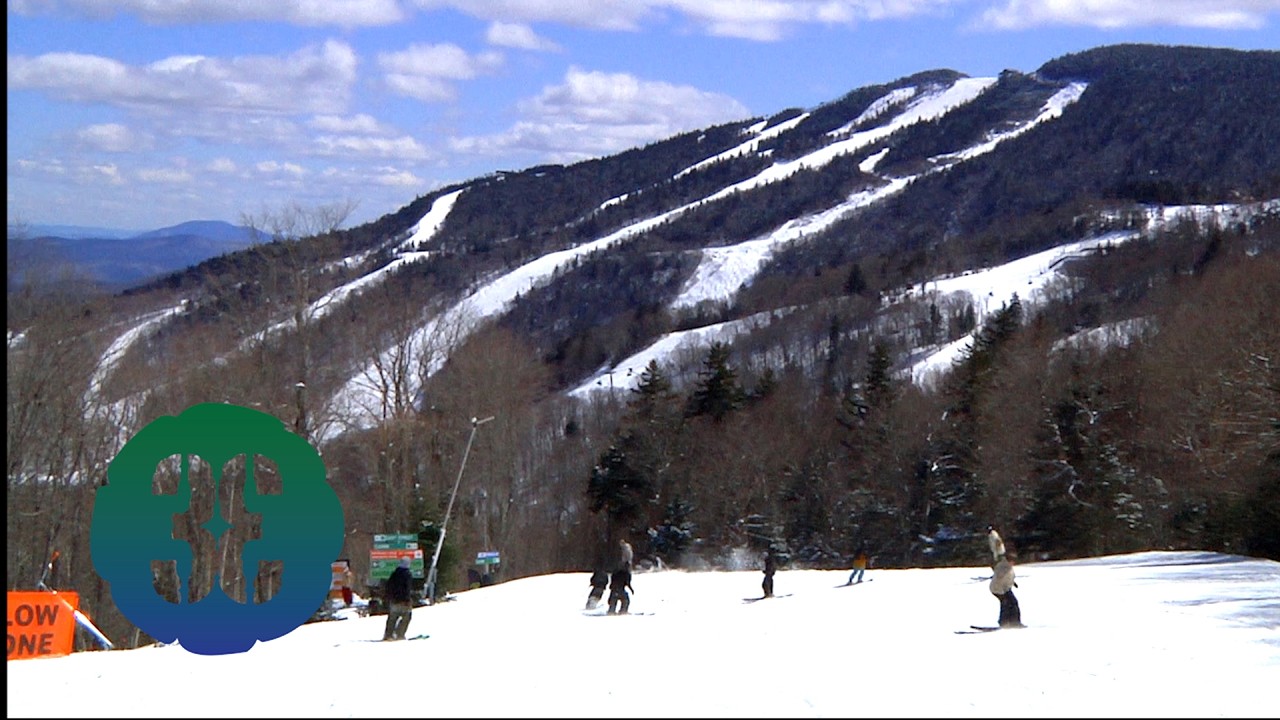
The more defining “venues” for his current identity are park hubs—places built for repetition. In Vermont, Killington Resort is one of the most recognizable East Coast destinations for freestyle infrastructure and a long season. Within that ecosystem, parks like Dream Maker and The Stash represent two different skill tests: classic jump-and-rail flow versus creative, natural-feature freestyle in the trees. Even if you never see an “official result” beside those parks, they are the kind of places that create real skiers—because they force you to keep your stance, speed, and confidence intact when conditions and features change daily.
In summer, his coaching connection to Windells links him to Oregon’s year-round training lane. Windells’ own mountain overview describes their training as centered on Timberline Lodge and the Freestyle Training Park high on Mount Hood’s Palmer Snowfield, which is one of the key reasons summer freeski camps exist at all. That combination—Vermont winters and Mount Hood summers—creates a year-round rhythm that naturally suits a coach who values repetition and progression.
How they ski: what to watch for
Westburg’s skiing is best understood through the lens of “park literacy.” Park literacy is the ability to read a feature quickly, manage approach speed, choose an entry line early, and finish the trick in a body position that keeps the run alive. When you watch skiers who live in parks, the giveaways are rarely the biggest tricks. The giveaways are how quiet the upper body stays on rail entries, how centered the skier remains through a landing, and how smoothly they connect one feature to the next without needing a visible reset.
That becomes even more obvious when you compare park styles. A jump-focused skier can look amazing and still bleed flow if the rails are shaky. A rail specialist can look stylish but lose rhythm if speed management is off. The strongest park skiers—and the strongest coaches—bridge both. In parks like Dream Maker, watch for timing into takeoff and whether grabs look deliberate rather than rushed. In spaces like The Stash, watch how the skier uses terrain and transitions; that’s where creativity shows up without needing “contest formatting.”
His freeride-qualifier history also hints at another watch point: composure when terrain is less predictable. A skier who has competed in freeride formats often carries a cleaner sense of “line logic”—the idea that a descent should read as intentional. In park skiing, that same instinct becomes run structure: keep the rhythm, keep the speed, and make the line feel planned.
Resilience, filming, and influence
Coaching is a form of influence that rarely gets the spotlight it deserves. Windells describes a coaching environment built around safety systems and structured support, with staff selected for qualifications and required certifications. Being listed on that staff roster is meaningful because it places Westburg inside a professional training context where the job is not only to ski well, but to communicate progressions, manage risk, and keep athletes moving forward when they hit plateaus.
That kind of influence travels. Athletes who train in Vermont during winter and Oregon during summer often come back to their home mountains with sharper fundamentals and more disciplined progression habits. A coach who works in both environments becomes part of that pipeline, even if their own “headline” moments are not medals. For fans, this is the freeski reality: the sport moves forward through communities, coaches, and crews as much as it does through podiums.
Geography that built the toolkit
Vermont builds a particular kind of park skier. Snow conditions are often firm, speed is fast, and the margin for error on rails is small. That environment rewards precision and repeatability—two traits that show up clearly in coaching-centered skiing. A long-season home base like Killington Resort provides the repetition needed to turn technique into habit.
Oregon adds the other half of the toolkit. Summer training at Timberline Lodge, as described by Windells, keeps athletes and coaches in a consistent freestyle rhythm when most people are off snow. That year-round access doesn’t automatically make anyone great, but it does create a huge advantage for developing clean timing: more days, more tries, more chances to make the trick look the way you want.
Equipment and partners: practical takeaways
There isn’t a reliably confirmed, public sponsor list that can be treated as definitive for Westburg, so the most honest gear takeaways come from his disciplines and his coaching lane. Terrain-park progression asks for predictability: a balanced, switch-friendly freeski setup, boots that truly fit, and maintenance that keeps speed consistent. Coaches who ski year-round tend to emphasize “removing surprises,” because surprises are what cause hesitation, and hesitation is what causes missed takeoffs and sketchy landings.
For progressing skiers, the practical lesson is simple. If you want to look smoother in rails and jumps, stop changing variables too often. Dial boot fit first, keep a consistent stance, and let repetition do the heavy lifting. The cleaner your approach and landing basics become, the more your style shows up automatically—without forcing it.
Why fans and progressing skiers care
Brandon Westburg is worth featuring because he represents a real freeski pathway that many dedicated skiers recognize: become excellent through mileage, then multiply that knowledge through coaching. His documented presence on the Freeride World Tour qualifier results pages shows a competitive layer, while his role on the Windells staff roster confirms the year-round coaching lane that shapes modern freeski progression.
For fans, that means he’s a good lens for understanding what makes park skiing look “effortless”: rhythm, speed control, and clean exits. For progressing skiers, the takeaway is even more valuable. The best-looking skiing is usually the most repeatable skiing. If you can keep your body quiet, your timing consistent, and your landings centered—whether you’re lapping Dream Maker in Vermont or training in summer on Mount Hood with Windells—you’re building the exact foundation that lets tricks, style, and confidence grow together.