Profile and significance
Ben Jalbert is an emerging East Coast freeski park skier best identified through his credited appearances in spring “Peace Park” laps filmed at Killington Resort in Vermont. This profile refers to the skier credited as “Ben Jalbert” in public terrain-park edits from the Killington scene, including sessions labeled as “RHM Peace Park” laps. He is not currently defined by a major FIS or X Games results page; instead, his on-record presence lives in the modern grassroots space where a lot of progression actually happens: small crews, long park days, and filming-based output that documents what the local scene looks like when it’s firing.
That makes his significance straightforward for a video-first platform. Jalbert represents the layer of freeski that sits between casual resort laps and global competition: skiers who show up consistently enough to become recognizable in a destination’s park ecosystem, and who build credibility through repeatable, camera-ready skiing rather than through podium headlines. If you follow freeski because you care about rails, flow, and park style that feels real, his footprint in the Killington Peace Park mix is exactly the kind of early-stage athlete story worth archiving.
Competitive arc and key venues
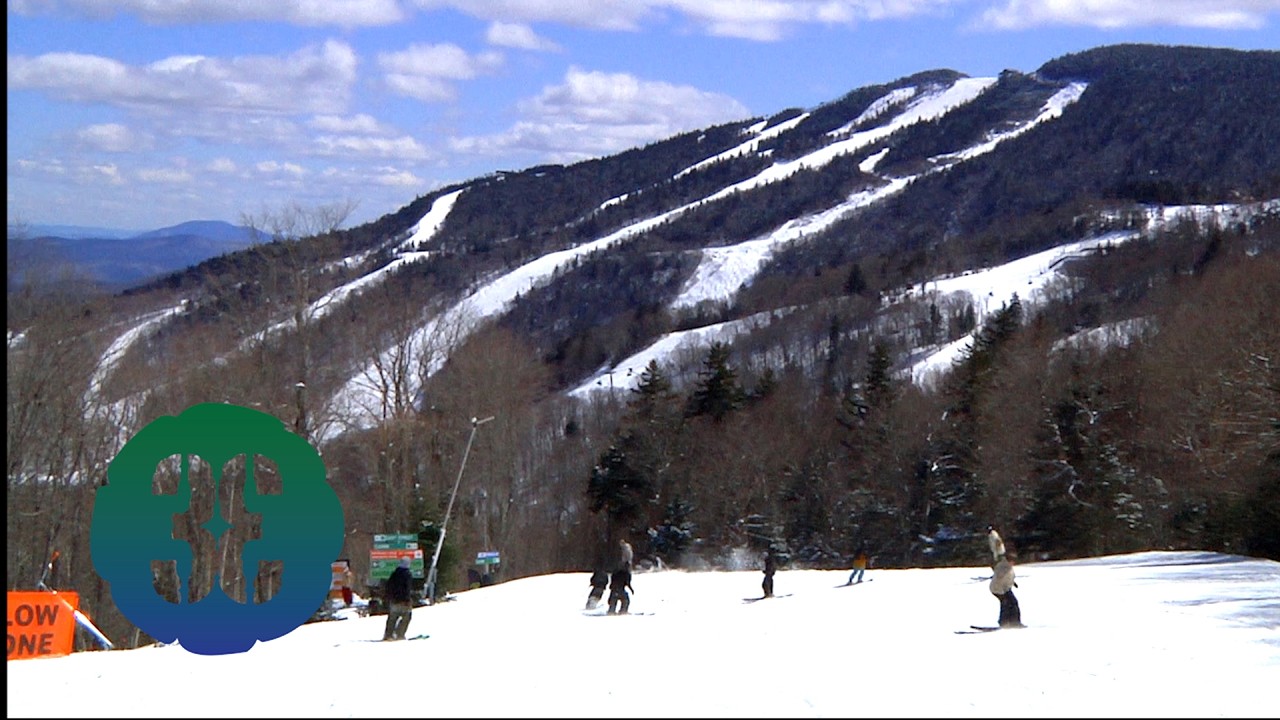
Jalbert’s public arc reads less like a contest ladder and more like a location-and-season rhythm. The clearest recurring venue is Killington Resort, where spring terrain parks become a focal point for East Coast freeskiers chasing late-season feature setups. He has been credited in edits filmed around Killington’s park network, and that matters because parks like these tend to function as informal proving grounds. When a park is being lapped by a concentrated local scene, the standard is set by repetition: if you can’t do it clean, you don’t keep it in the line, and the camera quickly tells the truth.
The “Peace Park” context is a particularly meaningful signal. Peace Park is a Woodward-created terrain concept built around flow, progression, and creative feature choices, and its Killington-era setups have become a recognizable spring destination for riders and skiers. Being part of that environment suggests a skier whose strengths are suited to modern park skiing: linking features with confidence, keeping speed and rhythm consistent, and making tricks look intentional in a setting that is designed to reward creativity as much as difficulty.
How they ski: what to watch for
Because Jalbert’s documented presence is rooted in terrain-park sessions, the best way to evaluate him is through the fundamentals that separate “got the clip” from “can ski it all day.” In slopestyle terms, that means run quality: clean approaches into rails, stable body position through slides, and landings that set up the next feature instead of forcing a reset. Even when a video doesn’t present a formal judged run, you can still see the contest-relevant skills. The skiers who look best in Peace Park-style laps are usually the skiers who make transitions disappear.
Watch especially for pace and decision-making. A lot of athletes can raise difficulty once; fewer can keep style when the line speeds up or when the snow gets firm and rutted late in the day. In park skiing, “control” shows up as a quiet upper body and a consistent stance that doesn’t change dramatically from feature to feature. That’s the kind of skiing that holds up both on camera and in real slopestyle competition, because it keeps the line alive and makes the entire run feel cohesive.
Resilience, filming, and influence
Jalbert’s value is tied to the resilience of routine: showing up across seasons in the same scene, continuing to ski as parks evolve, and keeping progress moving even when conditions are less-than-perfect. Spring park laps on the East Coast are not always forgiving. The snow can be fast in the morning, sticky later, and choppy in between. Skiers who remain watchable in those conditions are usually the skiers who refine the basics until they’re automatic, because automatic basics are what allow style to survive rough snow.
His influence is the small-but-real influence of being part of the visible local mix. When a skier appears repeatedly in community edits, they become part of what younger skiers recognize as “the standard” at that spot. That matters more than it sounds like. In freeski, scenes progress by imitation and escalation: you see what looks good, you try it, you refine it, and the next person raises the bar again. Jalbert’s presence in filmed Peace Park sessions places him inside that feedback loop.
Geography that built the toolkit
The geography in Jalbert’s documented skiing points strongly to Vermont’s spring-park culture, with Killington Parks as the centerpiece. Vermont terrain-park skiing tends to reward precision because conditions often run firmer than big storm-cycle resorts out West. That kind of surface punishes hesitation on rails and exposes sloppy takeoffs quickly. Skiers who grow comfortable there often develop a clean, efficient look: predictable speed choices, early commitment into features, and balance that stays centered even when the run-in isn’t perfect.
In practical terms, Killington is also the kind of place that builds a park skier’s “toolkit” through sheer repetition. A long season means more days to dial approach angles, more chances to rebuild confidence after a miss, and more time to learn what tricks remain consistent when the park gets busy. If you want to understand why certain East Coast skiers look so composed in filmed park lines, this geography is the answer: you learn to make it work, day after day, because that’s the only way to keep progressing.
Equipment and partners: practical takeaways
There is not a reliably confirmed public sponsor list for Ben Jalbert as a freeski athlete, so it would be misleading to attach brands to his name. The most useful equipment takeaways come from the discipline itself. Park skiing in Peace Park-style setups favors a durable twin-tip platform that feels balanced for switch takeoffs and landings, with edges maintained well enough to stay predictable on firm snow and rails. The underlying point is consistency: the better your setup supports repeatable timing, the more your style can show.
For progressing skiers trying to learn from this lane, the big gear lesson is not “copy a pro,” but “remove surprises.” Boot fit matters most because it stabilizes stance on landings. Base and edge maintenance matter more than many skiers admit because speed consistency is what makes rail entries and jump takeoffs feel the same attempt after attempt. A skier who looks smooth in day-to-day park laps is usually a skier whose equipment feels familiar enough that they can focus on execution rather than on guessing how the ski will react.
Why fans and progressing skiers care
Ben Jalbert is worth knowing if you like the grassroots side of freeski: park skiing that’s filmed because it’s fun, and because the scene wants to document itself, not because a broadcast schedule demands it. His verifiable footprint in spring Peace Park laps at Killington Resort anchors him in a real freeski environment where style, flow, and repeatability matter every day. That’s the kind of context where emerging athletes are built, even if they never choose a full competition path.
For fans, the appeal is authenticity: real sessions, real conditions, and the kind of park skiing that’s judged by peers who ski the same features. For progressing skiers, the value is practical. Watching skiers from this scene teaches you what makes a line look good: early commitment into features, quiet posture, clean landings, and transitions that keep rhythm intact. Those lessons apply whether your goal is slopestyle, big air confidence, or simply becoming smoother and more consistent in the park.