ON3P Skis
United States
Brand overview and significance
ON3P Skis is a rider-founded, Portland-built ski company that has become one of the most influential indie brands in modern freeskiing. The project began in the mid-2000s when founder Scott Andrus started pressing skis in a garage, inspired by the idea that he could build a better, more durable park and freeride ski than what was available off the rack. By 2009, ON3P had moved into a small factory in Portland, Oregon, and committed fully to in-house manufacturing rather than outsourcing production.
From the beginning, ON3P defined itself through construction and feel rather than marketing hype. The brand’s signature recipe – 100% vertically laminated bamboo cores, thick sintered bases, burly edges and full-height UHMW sidewalls – quickly developed a reputation for unusual durability and a damp yet lively ride. While many big brands chased lower weights and softer constructions, ON3P leaned into skis that could handle urban rails, rocky Pacific Northwest snowpacks and repeated tunes without falling apart.
Today, ON3P sits firmly in the “core” end of the market: not a mass-distribution giant, but a respected manufacturer whose skis are ridden by some of the most creative park and street skiers, and by freeriders who prize stability and longevity. Their line covers all-mountain freestyle, directional freeride, pow and touring shapes, plus a custom ski program, all built start-to-finish in their Portland factory. For the skipowd.tv audience, ON3P represents the DIY, rider-driven spirit of freeskiing – the kind of brand you discover through edits and word of mouth, then stick with for years.
Product lines and key technologies
ON3P’s collection is structured around a few core families that reflect how modern freeskiers actually ride. The Jeffrey series is the heart of the all-mountain freestyle line: twin-ish shapes with generous rocker, plenty of tip and tail splay and mounts pushed toward center. They are built to jump, slash and spin across the whole resort, not just in the park. Width options span narrower everyday waists through mid-fat versions intended for deeper days, all with the same playful but substantial character.
The Woodsman line pushes that concept in a more directional, freeride-biased direction. Woodsman models keep a twin-friendly tail for switch landings and freestyle moves, but add slightly more traditional mount points, longer effective edges and shapes that feel locked-in when you are driving the shovels at speed. They are positioned as semi-twin all-mountain chargers that still respect the freestyle roots of the brand.
Billy Goat is ON3P’s iconic powder and soft-snow platform. It uses the brand’s RES (Reverse Elliptical Sidecut) concept: a large, convex elliptical arc from boot center forward combined with more traditional sidecut in the tail. The idea is to give the ski a loose, pivoty feel in soft and variable snow without the hookiness of full reverse-sidecut designs, while still engaging a supportive tail when you roll the ski on edge. As iterations have evolved, Billy Goat shapes also incorporate asymmetrical tip taper and subtle tweaks to improve hardpack performance without losing that surfy DNA.
The Mango line is the modern park and jib flagship, developed with Jake Mageau. Skis like the Mango 90, 102 and 114 take ON3P’s radically rockered, round-flex park philosophy and refine it for different use-cases: from pure park to XXL freestyle that extends into pow. Mount points close to center, heavily rockered tips and tails and a round, press-friendly flex profile make them favorites for riders who like butters, nose presses and creative lines through rails and natural hits.
Rounding things out, ON3P offers the Wrenegade big-mountain charger line (more directional and powerful), touring versions of key freeride models, youth skis like the Charlie Murphy, and a full custom ski program that lets riders specify dimensions, flex options and graphics. Across all of these, a few shared technologies define the brand: 100% bamboo cores, thick Durasurf sintered bases, full-height UHMW sidewalls and a composite layup tuned for both impact resistance and a damp ride.
Ride feel: who it’s for (terrains & use-cases)
On snow, ON3P skis are best described as powerful, damp and surprisingly playful for how robust they are. The bamboo cores give a strong, responsive flex underfoot, while the thick bases and edges add mass that smooths out chatter and deflection. Compared with many lighter skis in similar categories, an ON3P of the same length often feels more planted and confident when you are straight-lining rough in-run snow or smashing through chop after a storm.
Jeffrey skis suit riders who treat the resort as a giant park: side hits, cat-track gaps, wind lips and rail lines all in one run. They feel comfortable carving groomers at speed, but their rocker profiles and centered mounts invite 3s off side rollers and quick, smeared transitions instead of pure race-style arcs. If you are a strong park skier who is starting to ski more all-mountain, or a freeride skier who wants something more playful without giving up stability, Jeffrey models hit that middle ground.
Woodsman and Wrenegade skis are aimed at skiers who push harder in steeps and variable snow – the people who want to stomp cliffs, thread tight chutes and maintain high speeds in cut-up powder. They have more supportive tails and more directional shapes, yet still carry enough rocker and splay to stay loose when you want to slash or pivot out of a line. Billy Goat takes that looseness further, excelling in storm snow, wind-buff and coastal conditions where you want to steer from the middle of the ski and smear turns without tip hook.
Mango models are for progressive park and street riders who prioritize pressability, low-speed play and easy switch performance. They favor a more neutral stance and reward skiers who are comfortable skiing very centered, using the full length of the rocker to butter, swivel and lock into rails. In short, ON3P’s ride feel is ideal for skiers who like substantial skis that invite hard skiing and creative lines, rather than ultra-light, nervous platforms.
Team presence, competitions, and reputation
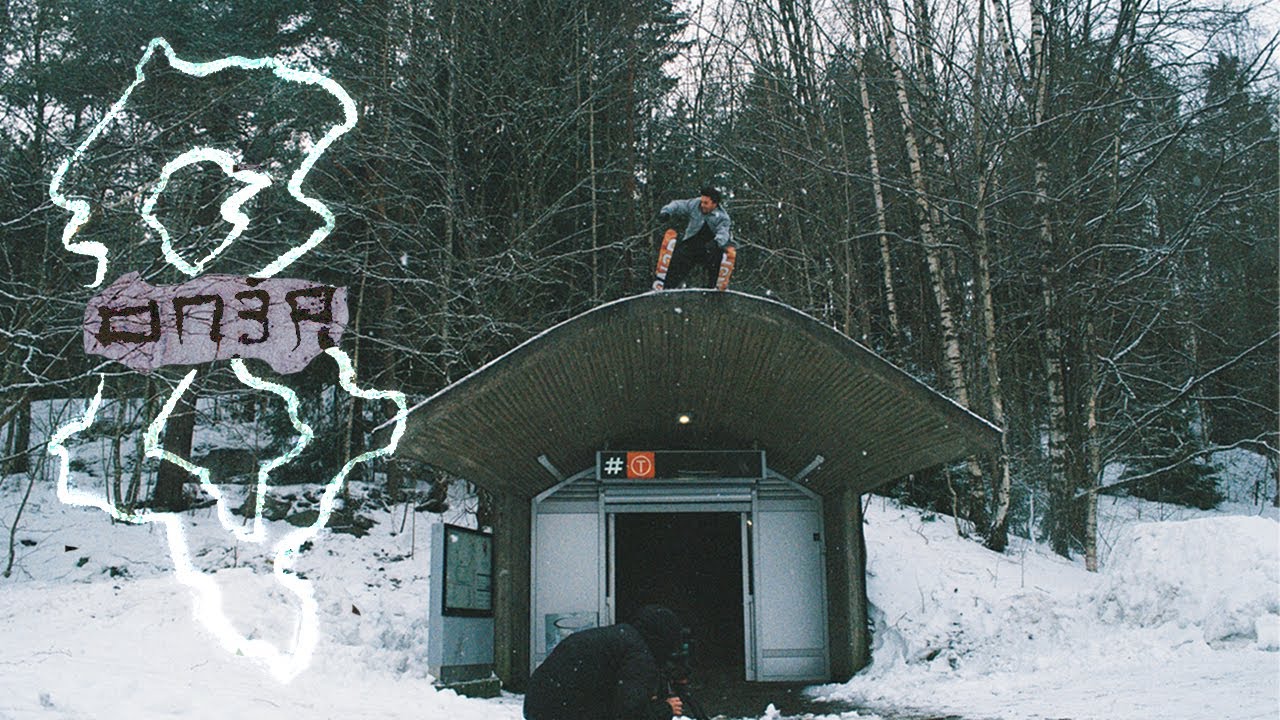
ON3P built much of its reputation not through race results but through film segments and online edits. The brand emerged from Newschoolers culture and quickly became associated with some of the most distinctive street and park skiers of the last decade. Riders like Magnus Granér, Jake Mageau, Forster Meeks and other members of the extended team have produced highly regarded street and park films, as well as hybrid projects that bring jib sensibilities into powder and natural terrain.
Annual and multi-year projects like ON3P’s own “ON3P” film series, street-heavy edits filmed in US and European cities, and summer park content from Mount Hood and other camps have all reinforced the brand’s image as a creative powerhouse. The skis are as much tools for filming handrails, wallrides and weird transitions as they are for chairlift laps, and that balance of everyday resort use and serious film work has given ON3P strong legitimacy among dedicated freeskiers.
While ON3P is less visible on World Cup start lists, its presence is strong in the spaces that matter to core freestyle culture: independent films, Level 1-style projects, Kimbo Sessions-type park gatherings and street competitions where durability and consistent flex matter as much as logos. In those circles, the brand has a reputation for building skis that not only support high-end tricks but survive the kind of abuse that would destroy many lighter, more delicate constructions.
Geography and hubs (heritage, testing, venues)
ON3P’s identity is tightly bound to Portland, Oregon and the broader Pacific Northwest. All skis are pressed, finished and tuned in the company’s Portland factory, a setup that allows close control of materials and rapid iteration when the team wants to tweak profiles or flex patterns. That proximity to Mount Hood and the Cascades gives ON3P an almost year-round test environment: deep winter storms, spring corn and long summers of park skiing on the Palmer snowfield.
Beyond the Cascades, ON3P skis see extensive use in the interior of British Columbia, the Rockies and urban centers across North America and Europe. Interior BC’s combination of deep snow and rugged terrain is a natural fit for Billy Goat and Woodsman setups, while city winters in Québec, Scandinavia and the American Midwest provide test grounds for Mango and other park shapes on stair sets, ledges and handrails.
For skipowd.tv viewers, that geographic spread matters because it mirrors where much of today’s freeski content is filmed: summer slush sessions at Timberline, storm days in the Northwest, road trips to interior powder zones and street missions in cold, gritty cities. ON3P skis are built in one place but very clearly designed to travel – and to hold up – wherever the crew’s filming calendar leads.
Construction, durability, and sustainability
Construction is the core of ON3P’s brand story. Every ski uses a vertically laminated, 100% bamboo core that gives a distinctive blend of power, damping and rebound. Bamboo is technically a grass rather than a wood, and it grows quickly, which makes it a relatively renewable raw material compared with some slow-growing hardwoods. That environmental benefit is secondary to performance for ON3P, but it is a welcome side effect of a material choice the brand has doubled down on since its earliest days.
Around the core, ON3P builds skis with full-height UHMW sidewalls, thick sintered Durasurf bases and some of the burliest edges in the industry. Many models advertise bases that are significantly thicker than typical alpine standards and edges designed to withstand repeated rail impacts and rock strikes. Composite layups combine fiberglass and, on some skis, carbon reinforcement to tune torsional stiffness and longitudinal flex while preserving a smooth, damp ride in rough snow.
This construction philosophy is not the lightest on the scale, but it is designed to keep skis alive for many seasons of hard riding. For a park or street skier grinding rails all winter, or a freerider regularly smashing through PNW volcanic rubble, that kind of robustness can mean the difference between replacing skis mid-season and tuning the same pair year after year. From a sustainability perspective, ON3P’s emphasis on longevity and repairability – along with local manufacturing and bamboo cores – contributes to a lower lifetime footprint per day skied than more disposable gear.
How to choose within the lineup
Choosing the right ON3P starts with how you ski. If your ideal day mixes groomers, side hits, trees and park laps, the Jeffrey series is the natural starting point. Narrower Jeffreys make sense for firmer climates and riders who still want strong edge grip, while wider versions are better for areas with frequent storms and softer snow. Look at your home mountain’s typical conditions and your stance: if you like skiing fairly centered and spinning often, Jeffrey models will feel intuitive.
If you spend more time charging steeps, skiing variable snow and hitting natural features than lapping rails, the Woodsman line is worth a serious look. It offers more directional stability and a slightly more traditional mount point while preserving enough tail rocker for playful moves and occasional switch landings. For skiers who prioritize surfy soft-snow performance, strong crud-busting ability and a loose, smear-friendly feel, Billy Goat remains the flagship – especially in regions with deep snowpacks and complex, tracked-out terrain.
Park and street specialists who want a modern, rockered jib platform should focus on the Mango series. Pick width based on where you ride: narrower for domes and hard snow, mid-waist for mixed park and all-mountain, wider if you want to bring a full freestyle approach into pow. Big-mountain chargers who care more about straight-line stability and confidence at speed than about butters can look at Wrenegade and some of the stiffer custom or pro constructions.
For touring, ON3P’s lighter Billy Goat and Woodsman Tour models keep the brand’s downhill feel while trimming weight for long approaches. And if none of the stock shapes quite match what you want, the custom ski builder lets you choose from established geometries and dial in graphics and other details. In every case, length and flex should be chosen realistically: ON3P skis often feel more substantial than their length suggests, so do not be afraid to size based on how hard you truly ski rather than on ego.
Why riders care
Riders care about ON3P because the brand feels like it was built from the ground up by the same people you see in its films: skiers who press skis in the factory, then go out and try to break them in the streets, on park jumps and in deep pow. That feedback loop has produced a lineup that stands out for its combination of durability, distinctive shapes and honest, powerful on-snow feel.
For the skipowd.tv community, ON3P represents the independent, rider-driven side of ski culture. It is the logo you spot in a street segment when someone survives a heavy kinked rail, or in a pow edit when someone slashes a volcanic spine in heavy snow without their tips diving. Choosing ON3P is as much a statement about what you value – craftsmanship, longevity, creative skiing – as it is a gear decision. If you want skis that are built in a single factory, by people who live and breathe the same kind of skiing you watch on screen, ON3P is one of the clearest expressions of that ethos available today.