Tobiasz Szyndler
Profile and significance
Tobiasz Szyndler is a Polish freeski rider born in 2000 whose lane bridges campus sport and the broader European park-and-street scene. Registered with FIS for slopestyle and big air and tied to the Silesian club system, he represents the Silesian University of Technology in collegiate starts. In January 2025 he broke through at the 32nd Winter Universiade in Turin with finals in both slopestyle and big air, placing seventh and ninth respectively—credible, pressure-tested results that put a wider spotlight on a rider usually discovered through edits and event weeks. The season before, he topped a FIS rail event at Szczyrk’s Skalite venue, proof that his rail craft translates when the scores matter. Around contests, Szyndler’s clips—often from Austria’s Absolut Park and Poland’s Silesian hills—show the same priorities: calm setups, grabs defined early, and exits that keep speed for what comes next. It’s a style designed to hold up in slow motion and to be copied on everyday parks.
Competitive arc and key venues
The competitive arc is simple and useful. Domestic FIS starts and urban-leaning sessions in the Silesian corridor built timing and confidence; a win at Szczyrk set the tone for 2024; and the Universiade in Turin confirmed that those habits survive under international scrutiny. Event weeks in Szczyrk during SnowFest and laps on the local rail gardens give him repetition at realistic speed. Spring blocks in Salzburgland at Absolut Park add XL rhythm, consistent lips, and wind reads that punish rushed takeoffs. The combination—night-lap density at home and long, dependable lines abroad—explains why his skiing reads clearly whether the camera is on a scaffolded contest run-in or a public park.
Institutionally, the connection to the Silesian University of Technology matters: it keeps him inside a support structure that values international student sport while letting him travel for film and training windows. On the federation side, the FIS calendar delivers just enough start-gate pressure to sharpen decision-making without forcing a rankings-only mindset.
How they ski: what to watch for
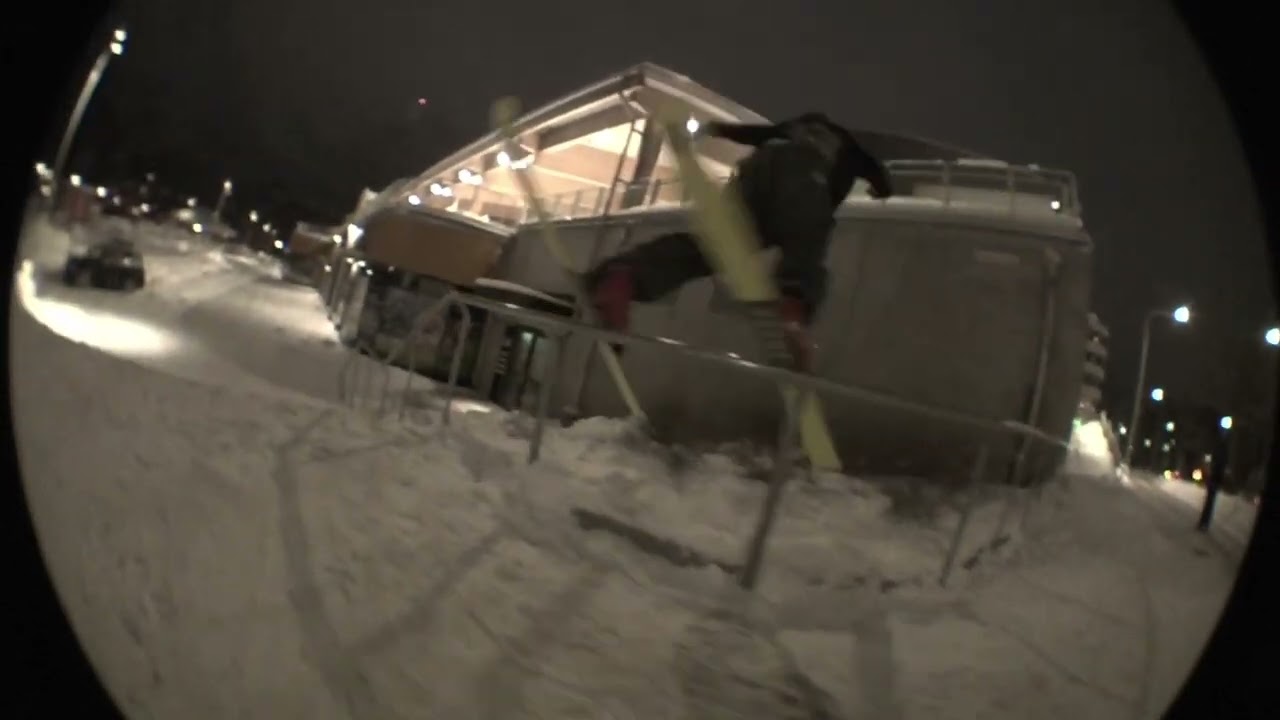
Szyndler skis with economy and definition—the two traits that make modern slopestyle and urban/street skiing teachable. Into a takeoff he stays tall and neutral, sets rotation late, and locks the grab before 180 degrees so the axis breathes on camera. On rails, look for square entries; backslides and presses held just long enough to be unmistakable; quiet surface swaps; and exits where the shoulders stay aligned so momentum carries cleanly into the next feature. Even on denser lines, landings read centered and inevitable—hips over feet, ankles soft—so the shot looks like one sentence rather than a series of rescues. That clarity is why his finals in Turin felt like an extension of his park laps rather than a different sport.
Resilience, filming, and influence
Polish freeskiing grows in public, floodlit spaces and in rider-led edits, and Szyndler is a product of both. Between semesters he has stacked tight, watchable clips from Absolut Park and Silesian spots, and he has leaned into community-facing events and video editions that reward clear movement over noise. The influence is cumulative rather than viral: riders slow his footage down, copy the checkpoints, and discover that patient pop, early grab definition, and square-shoulder exits are skills you can repeat on Tuesday-night laps.
Geography that built the toolkit
Place explains the method. In Silesia, Szczyrk’s lift network and rail setups provide repetition at realistic speeds; features are compact, lighting is dependable, and small mistakes show up immediately. Those habits carry to the Universiade scaffold and to Austrian spring parks, where spacing grows and decks get longer. Salzburgland’s Absolut Park adds dependable jump shapes and dense rail sets that force line planning—perfect for testing both-way spins and linking features so speed survives. When you trace that map—Silesian night laps, Szczyrk event weeks, Austrian spring builds—you can see their fingerprints in every clip and heat sheet.
Equipment and partners: practical takeaways
In recent seasons Szyndler has frequently tagged Atomic for skis and Poland’s Bivak Outdoor for apparel in his posts, which aligns with the feel visible in his footage: park platforms that press without folding and outerwear that tolerates night laps and spring slush equally well. For skiers trying to borrow the feel, the hardware lessons are straightforward. Choose a true park twin with a balanced, medium flex so you can press cleanly yet stay predictable on bigger lips; detune the contact points enough to reduce rail bite while keeping trustworthy grip on the lip; and mount close enough to center that switch landings feel neutral. Keep binding ramp angles from tipping you into the backseat so hips can stack over feet. Then copy the workflow his clips model—film a lap, check shoulder alignment and hip-to-ankle stack, and iterate until calm entries, patient pop, early grab definition, and square-shoulder exits are automatic.
Why fans and progressing skiers care
Fans care about Tobiasz Szyndler because his skiing makes sense at half speed: honest approach, defined grab, clean exit, next feature. Progressing riders care because the same choices are transferable to the parks they actually ride, from Silesian night laps to an Austrian spring line. With Universiade finals on the résumé and a growing set of replayable edits, he offers both proof and a path for how emerging European freeskiers can turn modest features into confident, stylish slopestyle and urban/street skiing.