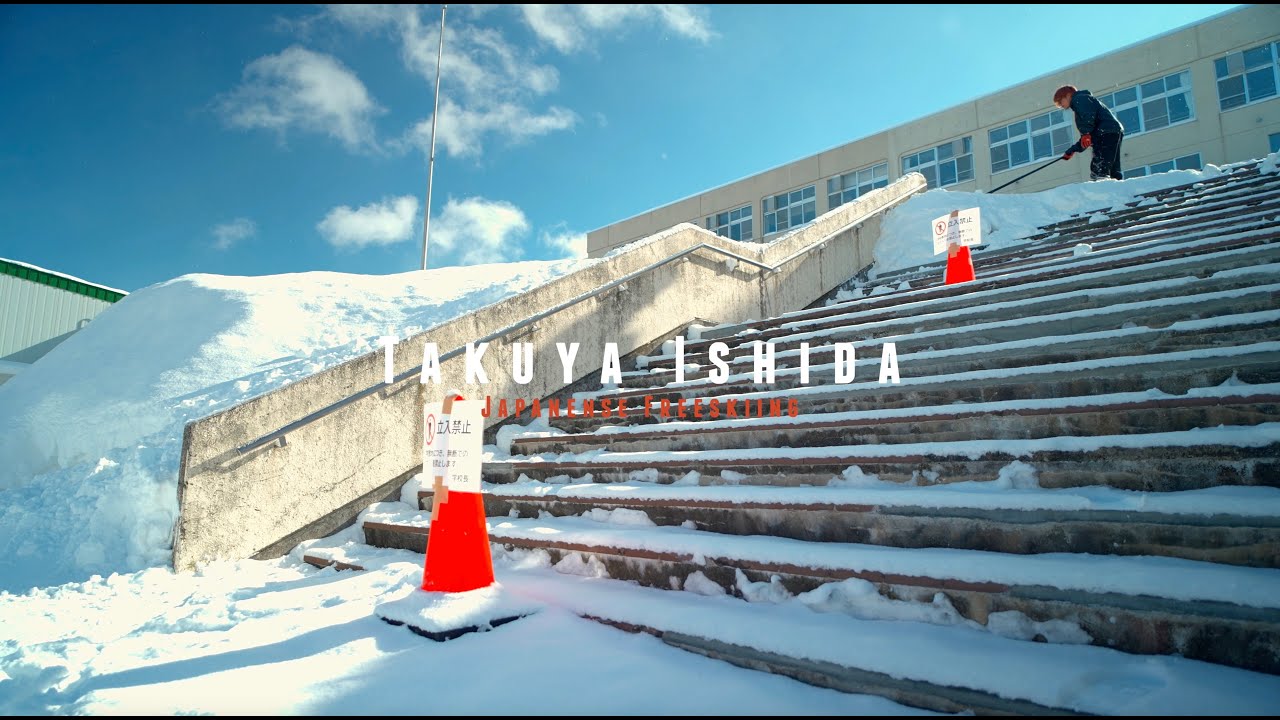
Takuya Ishida
Profile and significance
Takuya Ishida is a Japanese freeski rider and filmmaker whose work with the Sideshow project has helped spotlight the country’s modern street-and-park scene. Rather than chasing a crowded start list, Ishida built his reputation through tightly edited seasonal films that favor line design, readable tricks, and calm execution. With director Daisuke Kurata and co-lead Daisuke Ito, he fronted Sideshow’s recent trilogy that culminated in “SkiPorn” (2024), preceded by “Lights, Camera, Action!” (2023) after earlier Sideshow chapters. Those films make a simple argument: Japanese freeskiing isn’t just about deep snow—it’s about precise, creative skiing that the camera (and a learner) can actually read. Ishida’s clips have become reference points for how to make urban features and compact resort setups feel complete without relying on sheer spin count.
Competitive arc and key venues
Ishida’s arc is film-first, but it intersects with culture-forward events. His name appears on the Off The Leash Video Edition roster (a rider-led street showcase) and across premiere tours and festival selections for Sideshow releases. The map behind that output is anchored in Japan: urban missions in Tokyo and regional cities; powder and tree zones across Hokkaidō with “Lib Tech crew” sessions; and park timing blocks around Nagano’s Hakuba Valley. This geography matters because it explains the balance in his films—street steel one week, low-visibility backcountry takeoffs the next, and clean resort park laps whenever a storm window closes. For readers, the practical landmarks are simple: Hokkaidō’s bottomless winters, Nagano’s well-groomed spring parks, and Japan’s dense urban architecture that rewards speed discipline.
How they ski: what to watch for
Ishida skis “quiet but decisive.” On rails, he takes square, unhurried approaches and mounts cleanly; tempo changes happen through balanced presses or surface swaps, not last-second arm rescue. He finishes rotations before the end of the feature so exits look planned rather than saved. On jumps and natural drops, you’ll notice early, full-value grabs that sit comfortably with the axis of the spin, plus “quiet ankles” on the landing that re-center speed for the next decision. In powder, the same park grammar carries over—measured set-ups, switch approaches when the terrain allows, and speed control that keeps lines flowing instead of stalling. The effect is skiing that seems attainable until you try to match the timing, which is exactly why his clips work as both entertainment and instruction.
Resilience, filming, and influence
Across the Sideshow catalog—ending with “SkiPorn” and built on the prior “Lights, Camera, Action!”—Ishida leans into craft over spectacle. He and Ito often “follow each other” through a season, filming from early storms to late-spring slush. That cadence means viewers see the process as much as the product: spot builds, salt cycles, and the small speed choices that make or break urban shots. The trilogy’s Hokkaidō segments with the Lib Tech crew highlight another strength—translating park timing into deep-snow takeoffs without hiding the decisions from the viewer. Because the skiing is legible, coaches and progressing riders can pause any frame and identify the plan: where the edge sets, when the grab starts, and how the landing line is managed.
Geography that built the toolkit
Place is a co-author in Ishida’s story. Hokkaidō supplies volume and texture—storm cycles, pillows, and rollovers that demand clean pop timing—and a network of resorts and roadside zones that make filming efficient. Nagano’s Hakuba Valley contributes long, consistent park lines for rhythm work and team sessions that sharpen spacing and sightlines. Urban Japan adds the other half of the equation: dense rail stock, awkward run-ins, and meaningful consequences if speed isn’t perfect. That mix—pow, park, and city steel—produces a rider who reads features quickly and answers with the same composed posture whether the surface is ice, concrete, or thigh-deep snow.
Equipment and partners: practical takeaways
Ishida’s recent posts and projects place him alongside brands that fit his intent. Outerwear credits include the freeski program at Spyder; skis and sessions have tied in with the Lib Tech crew under the Mervin Manufacturing umbrella. The actionable lesson for readers is about setup philosophy rather than specific graphics: choose a playful twin with a near-center mount so presses and switch landings are honest; pair it with bindings known for predictable lateral elasticity when a rail exit gets sideways; and run a medium-support boot that lets your ankles stay quiet on impact. Keep a consistent detune at contact points so rail entries feel identical in January and March, and plan your “grab window” before you drop. Your footage—and your confidence—will improve immediately.
Why fans and progressing skiers care
Ishida matters because he turns style into something teachable. His lines are built so anyone can see the decisions: speed set early, grab locked where a lens can read it, rotation finished before the out. That clarity scales—from compact park features to full-size city rails and tree-lined step-downs—and it’s a big reason the Sideshow films travel well outside Japan. If your goal this winter is cleaner exits, fewer emergency saves, and edits that people actually rewatch, his catalog is a blueprint for how to make medium features look great and consequential features look calm.
Quick reference (places)
- Hokkaidō (skipowd.tv)
- Japan (skipowd.tv)
- Niseko United (official)
- Hakuba Valley (official)
- Rusutsu Resort (official)
- Furano (official tourism)
Principal sponsors