Sam Putnam
Profile and significance
Sam Putnam is an emerging American freeski name whose public profile has been built much more through East Coast park laps, urban/street skiing projects, and filmer-driven crews than through a conventional slopestyle contest résumé. The strongest verified public picture places him in Vermont, with a rider page from The An& Brand tying him to Hartland, while multiple projects from Ski The East and later film credits show him staying active in the Northeast freeski scene over several seasons. That matters because not every relevant skier in modern freeski is defined by podiums or official rankings. Some become worth following because they keep appearing in the edits, web series, and street projects that core skiers actually watch. Putnam fits that category. He is best understood as a Vermont-rooted skier whose significance comes from style, repeat visibility, and a growing role behind the camera as well as in front of it.
Competitive arc and key venues
There is not a major public contest record attached to Putnam, so the honest way to map his arc is through projects and locations rather than medals. One of the clearer early public anchors is his appearance in the full-length Ski The East movie “Prologue,” which shows he was already part of a real East Coast filming ecosystem years before his more recent visibility. Later, his name appears in the Ski The East web-series world around Sugarbush, with a featured cast credit on the Sugarbush episode of Lappin’. He also appears in 2023 and 2024 Ski The East season materials and in the Quebec-based Maximise episodes, including “Backyard Dreamland” and “Springtime Special,” which broaden his footprint beyond one home scene. Public records also place him in a spring edit orbit at Mammoth Mountain, a venue that often matters for skiers blending park fundamentals with a looser filming identity. More recently, his role expanded again through 2024 street film work on “Stand Corrected,” where he was publicly credited both as a featured skier and as the editor. That progression matters because it shows a skier moving from local and regional edit visibility into a more complete creative role within the wider street-oriented freeski lane.
How they ski: what to watch for
The public material around Putnam suggests a skier whose identity sits closer to modern park and urban/street skiing than to pure big air or formal slopestyle specialization. That does not mean slopestyle skills are absent. In fact, the kind of skiing visible around his name usually depends on many of the same basics that make good slopestyle runs work: rail precision, timing, control, comfort on imperfect features, and the ability to keep speed and rhythm coherent from one hit to the next. But the way to evaluate him is different from the way you would evaluate a contest athlete. The useful question is less about whether he owns a single highest-value trick and more about whether the skiing feels natural, creative, and unforced. That is where his public profile has value. He appears to come from the side of freeski where style, feature reading, and repeatable confidence matter as much as difficulty. Viewers should watch how he moves through rail-heavy setups, how he paces clips, and how his skiing fits the looser but still highly technical East Coast approach to park and street terrain.
Resilience, filming, and influence
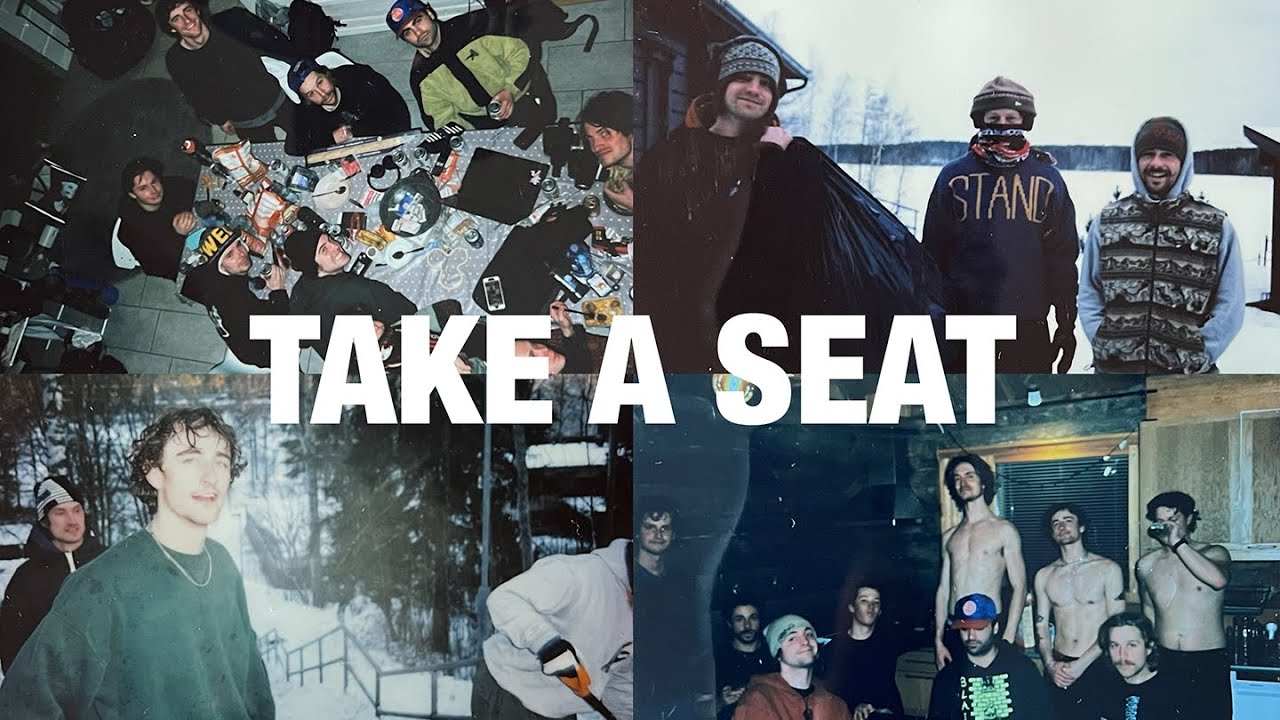
Putnam’s strongest public case is not about comeback headlines or result sheets. It is about continuity and expanding creative influence. A lot of skiers show up once in a crew edit and disappear. His public trail looks more durable than that. He was visible in earlier East Coast movie circles, remained active in Ski The East projects, earned a public rider page with The An& Brand, and later turned up in the official Level 1 SuperUnknown 22 recap lineup as one of the invited filmers creating event recaps. That is a meaningful detail because it suggests his eye behind the lens is part of his public identity, not just a side hobby. The same theme continues with “Stand Corrected,” where he was credited as editor as well as skier. In practical terms, that makes him more than a rider who simply appears in other people’s projects. He looks like part of the machinery that helps projects happen. In culture-facing freeski, that kind of dual role matters. It points to a skier whose influence may grow through taste, editing, and scene-building as much as through individual clips.
Geography that built the toolkit
Geography is one of the clearest ways to understand Putnam. His publicly visible roots in Hartland and the broader Vermont scene matter because East Coast freeski builds athletes differently from many western contest pipelines. Vermont conditions reward precision, grit, and comfort on firm snow. Resorts and zones repeatedly connected to his public trail, such as Sugarbush, Stowe, and Mount Snow, are important because they sit inside a regional culture where quick laps, creative rail setups, and weather adaptation shape a skier’s habits. Then the geography opens outward. His appearances in Quebec through Maximise and in California at Mammoth Mountain suggest a broader toolkit than a single local zone can provide. That kind of map usually produces a skier who can move between tight East Coast features, custom-built progression environments, and spring park filming without looking out of place. For readers, that is one of the most useful takeaways from his profile: he looks like a skier built by the Northeast first, then widened by travel and collaboration.
Equipment and partners: practical takeaways
There is not enough reliable public information to present a clean exact setup for Putnam’s skis, boots, or bindings, and it would be wrong to invent one. The stronger verified partner story is brand and project ecosystem rather than a full gear list. The clearest public commercial link is The An& Brand, which identifies him on its rider page and frames him as a Vermont skier with a style-first identity. Beyond that, the safer reading is project support and scene alignment rather than a rigid sponsor map. His visibility through Ski The East, the official Level 1 recap feature, and the broader street-oriented film world around recent East Coast crews suggests a skier whose value is recognized in creative spaces first. For progressing skiers, the practical lesson is useful. A real freeski career does not always become visible through contest rankings and polished sponsor pages. It can also become visible through trusted crews, strong edits, and the ability to contribute both skiing and creative work to serious projects.
Why fans and progressing skiers care
Sam Putnam matters because he represents a very real part of contemporary freeski that big event histories usually miss. He is not important because he owns a major slopestyle podium list or a high-profile big air record. He is important because he has built a credible place inside East Coast and street-oriented freeski through repeated appearances, real Vermont roots, support from The An& Brand, visibility in Ski The East productions, and a growing identity as an editor and filmer as well as a skier. That gives him a clear 2/5 profile: emerging, verifiable, and genuinely relevant, but not yet established on the international results stage. For fans, he is a name worth knowing because he sits in the culture-building layer of the sport. For progressing skiers, his path is useful because it shows that freeski significance can come from style, consistency, geography, and creative contribution, not only from medals.