Raphaël Veillette
Profile and significance
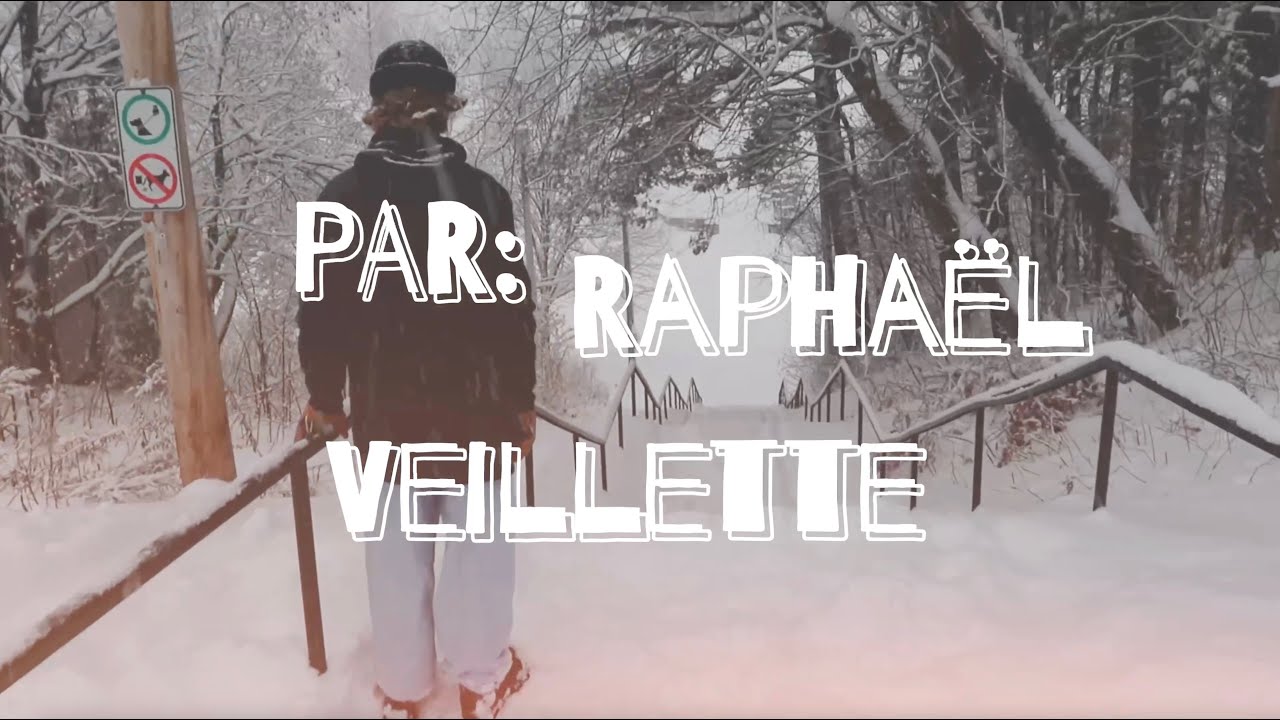
Raphaël Veillette is a Canadian freeski rider whose lane is firmly film-first: short, tightly edited street and park segments where line design, trick definition, and repeatable mechanics matter more than bib numbers. His name surfaced for a wider audience through rider-led video projects, including an entry in the 2024 “Off The Leash” video edition curated by Philip Casabon and a community contest piece for D-Structure set to music from Harlaut Music. Those touchpoints say a lot about where he fits in the scene—close to the crews that prize creativity, honesty of speed, and clips that withstand slow-motion scrutiny. Veillette’s significance lies in that clarity: he skis in a way that everyday park riders can study and copy without needing a World Cup course.
Competitive arc and key venues
Veillette’s public résumé is driven by edits and rider-curated showcases rather than formal rankings. The “Off The Leash” video edition connected him to a peer group that evaluates urban skiing on how well a line is conceived and executed on camera. His D-Structure x Harlaut Music submission added a second node in that network—one that rewards concise storytelling, smart spot preparation, and distinct movement rather than amplitude alone. Between these markers sit the places where segments like his are built: compact resort parks with frequent rebuilds and the winter streets where thin cover, short run-ins, and one-take pressure force accuracy. The venues explain the method better than a results sheet ever could.
How they ski: what to watch for
Veillette skis with economy and definition. Into a takeoff he stays tall and neutral, then sets rotation late and locks the grab before 180 degrees so the trick has room to breathe. On rails, his signatures are square, unhurried entries; presses and backslides held just long enough to be unmistakable on camera; and exits with shoulders aligned so momentum carries cleanly into the next hit. Surface swaps happen with minimal arm swing because edge pressure is organized early, keeping the base flat through kinks and eliminating the last-second scramble. Even on smaller features the landings read centered and inevitable—hips over feet, ankles soft—so recoveries look unnecessary. It is a movement language that coaches love to point at and progressing skiers can actually replicate.
Resilience, filming, and influence
The through-line in Veillette’s work is repeatability. In rider-judged or viewer-voted formats, he favors trick choices that read clearly on camera and line paths that stitch features into a single sentence. That approach travels well across projects: the same habits that make an “Off The Leash” cut watchable—calm entry, patient pop, early grab definition—also make a shop-supported mini edit feel coherent rather than clip-dumped. His influence is cumulative rather than viral; peers and younger riders slow the footage down, learn the checkpoints, and try to recreate the flow on their local parks and handrails. Over time, that consistency shapes taste: you start to notice when a press is held just long enough, when a revert lands on organized edges, and when a speed choice preserves the next feature instead of stealing from it.
Geography that built the toolkit
Segments like Veillette’s are forged in two environments. The first is the dense resort park where night skiing and frequent rebuilds deliver repetition on demand; small mistakes show up immediately, which is why his entries look calm rather than reactive. The second is the street, where snowpacks are thin, light is fickle, and run-ins are short. There, success depends on honest approach speed, deliberate edging, and exits that keep momentum for a second or third feature in the same line. Seen together, those geographies explain the habits visible in his edits: patient timing into the lip, grabs defined early, long-enough presses, and landings that put him exactly where the next move begins.
Equipment and partners: practical takeaways
Veillette’s recent appearances orbit rider-run brands and shops, notably D-Structure and soundtrack support from Harlaut Music. The hardware lesson for viewers is straightforward. Choose a true park ski with a balanced, medium flex you can press without folding; detune the contact points enough to reduce rail bite while keeping dependable hold on the lip; and mount close enough to center that switch landings feel neutral and presses sit level. Equally important is process. Film laps, compare shoulder alignment and hip-to-ankle stack against a short checklist, and repeat until patient pop, early grab definition, and square-shoulder exits become automatic—the exact qualities that make his clips read cleanly.
Why fans and progressing skiers care
Fans care about Raphaël Veillette because his skiing is built to last at half speed. The edits emphasize timing, organization, and line design over noise, which makes them useful long after the premiere. Progressing riders care because the same choices are teachable on normal-sized parks and real city snowpacks. If your winter looks like night laps, shovel sessions, and modest features, his blueprint shows how to turn limited speed into stylish, reliable skiing: calm entries, patient pop, early grab definition, long-enough presses, and exits that preserve speed for whatever comes next.