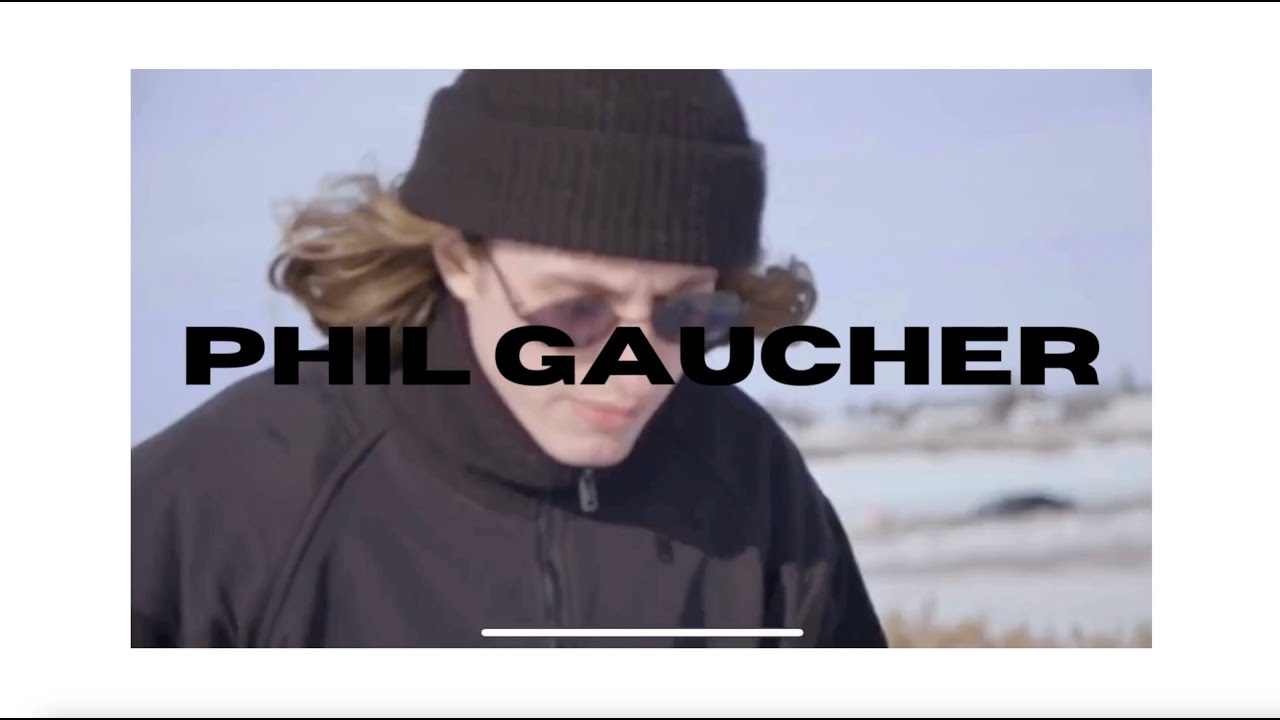
Phil Gaucher
Profile and significance
Philippe “Phil” Gaucher is a Montréal-based freeski rider whose street and park segments have become study material for skiers who value clarity, line design, and replayable style. Emerging from Québec’s night-lap culture and the province’s dense urban spots, he built a reputation through tightly edited parts and multiple appearances in Level 1’s SuperUnknown program, including finalist selections in the late 2010s and early 2020s. Rather than chase a full ranking calendar, Gaucher’s impact is cultural: he makes modern urban/street skiing legible, with movements you can slow down and copy on your local park laps.
Gaucher’s name shows up wherever rider-led projects prize clean execution over spectacle. He has contributed to team mixes with LINE Skis and dropped independent edits that circulate widely in Québec and beyond. The thread through everything is restraint and definition: approaches that stay calm and tall, tricks chosen for how they read on camera, and exits that keep speed for what comes next. For skiers learning slopestyle fundamentals or stepping into urban features for the first time, the “Gaucher look” doubles as a how-to.
Competitive arc and key venues
Gaucher’s competitive résumé takes a back seat to his film catalog, but the touchpoints matter. His SuperUnknown finalist weeks placed him on private builds at Mammoth Unbound, where big-park spacing, wind calls, and long decks demand composure. In Canada, he has appeared at rider-curated street and park sessions that run under floodlights in front of core audiences, the sort of nights where line reading and consistency beat raw amplitude. These experiences show up in his skiing: the pace of a contest run, the patience of a filmer, and the habit of linking features so speed survives to the next hit.
Venue-wise, his toolkit maps cleanly onto the places he rides most. Montréal’s neighborhoods supply the handrails, walls, and ledges that force accuracy at low to medium speeds. The city and suburbs funnel him to compact, feature-dense parks where repetition turns small adjustments into habits. When spring travel calls, he has logged flowy park laps at Whistler Blackcomb, including pop-up setups that reward quick resets and camera-friendly lines. Each setting adds a layer: city textures for commitment, night parks for volume, and destination builds for timing.
How they ski: what to watch for
Gaucher skis with economy and definition—two qualities that make his edits easy to learn from. Into the lip he stays tall and neutral, then sets rotation late and locks the grab before 180 degrees so the trick breathes without rushing. On rails, look for square, unhurried entries; backslides and presses held just long enough to be unmistakable; and exits where the shoulders stay aligned so momentum carries into the next feature. Surface swaps happen with minimal arm swing because edge pressure is organized early, keeping the base flat through kinks. Landings read centered and inevitable—hips over feet, ankles soft—so recoveries look unnecessary. It is slopestyle and urban/street skiing executed with calm hands.
Resilience, filming, and influence
Film seasons are the backbone of Gaucher’s profile. He stacks projects that favor smart spot choice, tidy shovel work, and shots that communicate slope angle and speed honestly. The SuperUnknown chapters validated that approach in front of peers and brands; team mixes with LINE Skis expanded his reach to a global audience. In Québec’s scene he shows up at community nights where voting skiers replace clipboards, and the pressure comes from the riders you respect most. The influence is cumulative: parts that hold up at half-speed, lines other skiers try to decode, and a visual grammar—patient pop, early grab definition, square-shoulder exits—that coaches can point to.
Geography that built the toolkit
Place explains the method. Montréal’s grid teaches commitment and pace management on real snowpacks, where thin cover and short in-runs leave little room for error. The province’s night-ski culture adds volume: high-frequency laps under lights turn micro-corrections into muscle memory and sharpen switch confidence. Trips to Mammoth Unbound during SuperUnknown weeks layer in big-feature timing, wind reads, and the pressure of making a trick count when cameras are rolling. Spring stints at Whistler Blackcomb add longer rhythm lines and consistent takeoffs that let style choices breathe. Together these geographies yield skiing that scales from a city handrail to a pro-level jump line without changing its DNA.
Equipment and partners: practical takeaways
Gaucher’s projects have long intersected with LINE Skis, and his setups match the priorities seen in his clips. For riders trying to borrow the feel, the hardware lessons are simple. Choose a true park ski with a balanced, medium flex that will press without folding and stay predictable on bigger takeoffs. Detune contact points enough to reduce rail bite while maintaining dependable edge hold on the lip. Keep a near-center mount so presses and switch landings feel neutral, and avoid binding ramp angles that push you onto your heels. The bigger “equipment” is process: film your laps, compare shoulder alignment and hip-to-ankle stack against a short checklist, and iterate until the movements—patient pop, early grab, quiet landing—become automatic.
Why fans and progressing skiers care
Fans care about Phil Gaucher because his skiing is built to last in slow motion. The clips prize timing, organization, and line choice over noise, which is why they age well and inspire repeat watches. Progressing skiers care because the same choices are teachable on small parks and real city snowpacks. If your winter looks like Montréal-style nights, weekend missions to regional resorts, and a few shovel sessions with friends, Gaucher’s blueprint—calm entries, early grab definition, long presses that read, and exits that preserve speed—is exactly how to turn limited resources into stylish, reliable freeskiing across slopestyle, big air side hits, and urban/street lines.