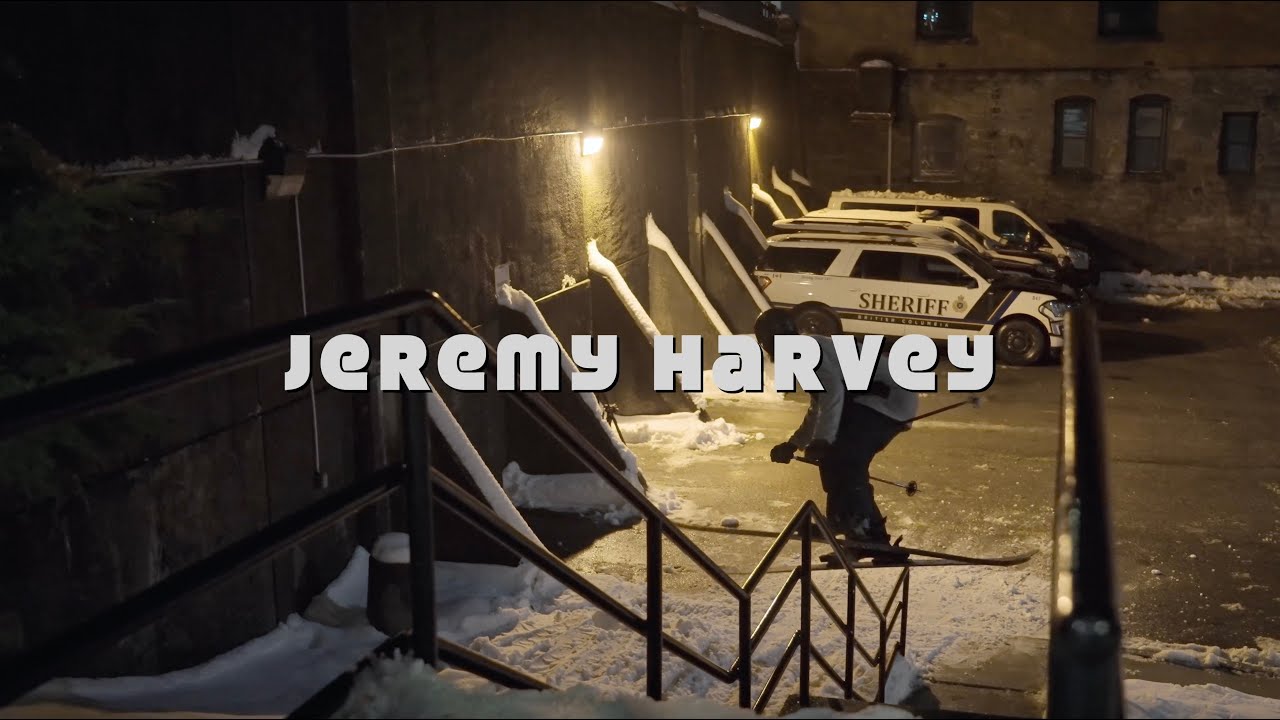
Jeremy Harvey
Profile and significance
Jeremy Harvey—often credited as Jeremy Harvey Goldie—is a Rossland, British Columbia–based freeski rider whose footprint comes from filmed resort riding, storm-chasing laps, and community-facing edits more than from bib numbers. As a hometown athlete for RED Mountain Resort, he has become part of the Kootenays’ enduring powder culture, bringing a calm, readable style to trees, side hits, and natural transitions. His sponsor mix reflects that identity: handmade skis from Icelantic, local support from RED itself, and small-batch outerwear projects like Island of Pines. The appeal is simple and durable—make difficult terrain legible at normal speed. Approaches are squared early, slashes and grabs are functional rather than decorative, and landings protect momentum so the next decision arrives on time.
Harvey’s visibility sits at the junction of rider life and resort storytelling. Short clips from storm cycles, mellow spring cruisers with friends, and occasional travel windows form a portfolio that travels well across social feeds and local premieres. He is not trying to win a World Cup; he is showing how strong habits—entry angle, early commitments, centered exits—turn everyday snow into satisfying lines.
Competitive arc and key venues
Rather than a traditional contest ladder, Harvey’s “arc” runs through venues that shape taste and timing. The anchor is RED Mountain Resort above the mining town of Rossland, where storm snow, trees, and sustained fall-line pitches teach speed honesty and line reading. RED’s acreage rewards skiers who can link small airs, traverse decisions, and mid-run resets without losing cadence—exactly the habits that make his clips rewatchable. Shoulder seasons and travel add layers. In the Southern Hemisphere he has lapped New Zealand’s Cardrona Alpine Resort, a park-and-piste laboratory that reinforces composure on cleaner takeoffs and medium-to-large features when the North American winter is asleep.
Those environments explain why his skiing reads the same whether the camera is tucked in the trees on a storm day or set back for spring groomers. Tight in-runs through glades compress decision-making into seconds; wide groomers and park lanes at Cardrona stretch the cadence and reward patient takeoffs. Across both, the constants are grab timing, protected speed, and landings that arrive over the feet.
How they ski: what to watch for
Harvey skis with deliberate economy. In soft snow, he trims speed with small, on-purpose checks rather than big skids, then lets the ski run so the line keeps breathing. When a natural hit appears—roller, wind lip, or a knoll off the side of a groomer—his takeoff is tall and patient, spin speed is measured, and the grab comes early enough to stabilize the axis. The result is a landing that finishes centered, preserves speed, and sets up the next choice without drama.
On park-style features during travel laps, the same habits show up. Approaches square early; presses on rails carry visible shape instead of wobble; exits are decisive to keep cadence. Directional variety—forward and switch, left and right—appears when the feature allows but never breaks rhythm. If you’re evaluating a run in real time, track two cues that repeat across his skiing: spacing between moves so the line feels like a sentence rather than disconnected words, and grab discipline that quiets rotation instead of simply decorating the frame.
Resilience, filming, and influence
Filmed resort skiing is about patience and process—storm forecasting, rope-drop timing, knowing when to call it, and when to stay for one more lap. Harvey’s edits lean into that rhythm, showing viewers how to make good choices on real snowpacks, not just hero days. That practicality is why his clips travel beyond Rossland’s orbit. Editors don’t need slow-motion rescue to make sense of the trick math, and local riders can copy the habits the next morning.
Influence here is cumulative rather than headline-grabbing. Younger skiers pick up on the sequencing—how a small slash sets angle for a side hit, how an early grab settles a medium spin so the outrun stays clean, how subtle speed checks don’t spill into landings. Resort partners value the same thing: footage that makes the mountain and the skiing both look honest.
Geography that built the toolkit
Place is the skeleton of Harvey’s skiing. The Kootenays deliver frequent refreshes and tree-lined fall lines at RED Mountain Resort, which reward edge honesty and decision-making at speed. The town fabric of Rossland keeps that loop tight—lap, review, repeat—so habits set quickly across a long winter. Travel blocks to Cardrona Alpine Resort add a different classroom: consistent lips, longer runouts, and dense park lanes that demand early commitments and centered landings. Stitch those places together and the toolkit becomes portable—from tight trees and sidecountry ridges to clean spring features.
Equipment and partners: practical takeaways
Harvey rides for Icelantic, a brand known for durable, predictable platforms that favor trust over novelty on storm days and park laps alike. Local backing from RED Mountain Resort keeps the filming loop close to home, while Island of Pines outerwear projects underline a rider-led approach to soft goods. For skiers translating this into their own setup, think category fit over model names. Choose a freeride or all-mountain ski you can steer from the middle, keep bases fast so cadence doesn’t depend on perfect weather, and detune just enough at contact points to avoid surprise bites on refrozen features. Treat every grab or slash as a control input—not decoration—and finish moves early enough to ride away with speed for whatever comes next.
Why fans and progressing skiers care
Jeremy Harvey matters because he turns the terrain most of us actually ride into watchable, repeatable skiing. Storm-tree laps, side hits under the chair, spring park sessions on travel days—his clips show that clarity comes from mechanics you can practice: square the approach, make early commitments, use the grab to settle the axis, and leave every feature with momentum. If you love freeskiing for how it feels in your legs more than how it looks on a scoreboard, his runs are a reliable blueprint.