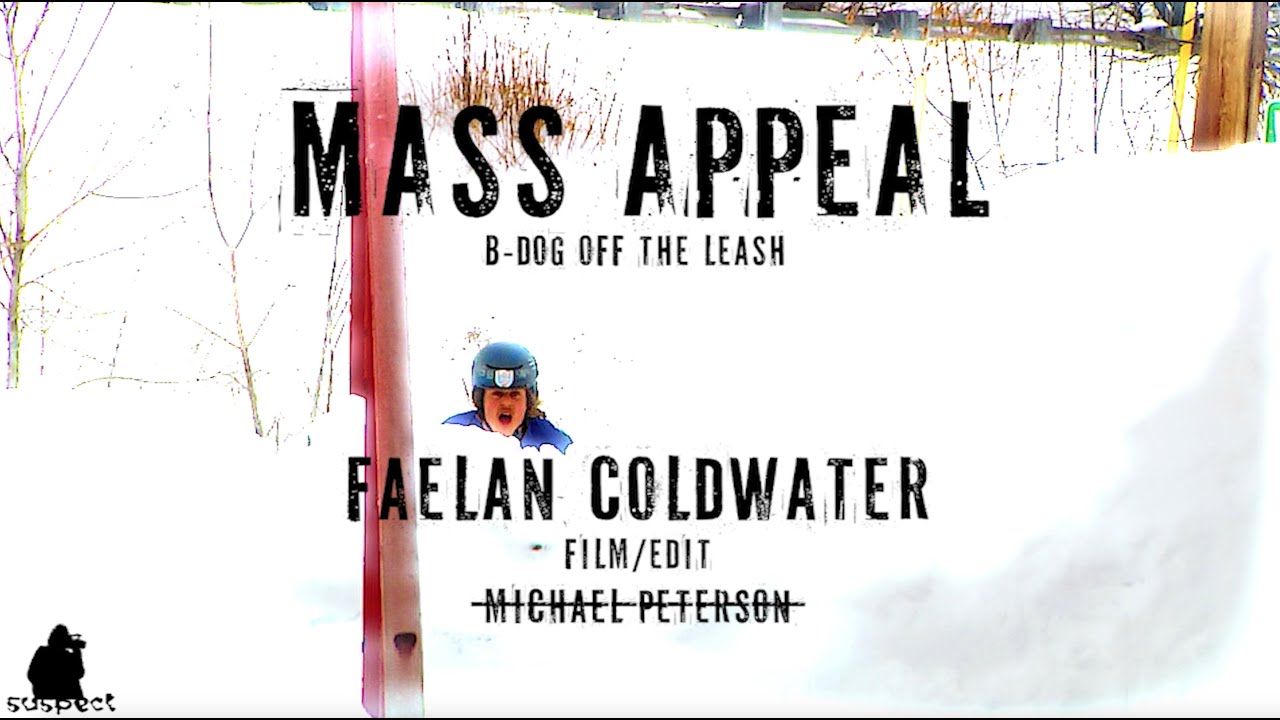
Faelan Coldwater
Profile and significance
Faelan Coldwater is a Minnesota-based freeski rider whose name rose from the Upper Midwest’s rope-tow culture into the broader park and street conversation thanks to tidy rail work, calm jump mechanics, and steadily improving film parts. After early appearances in North Shore backcountry projects near Lake Superior, he shifted his focus to park and street features, where his clips began circulating across core skiing outlets in 2023–24. The appeal is simple and durable: readable difficulty. Coldwater’s lines make sense at full speed because approaches are squared early, grabs are held long enough to stabilize axis, and landings protect momentum for whatever comes next.
By 2024 and 2025 he was showing up at community-driven showcases and filmed contest formats—the kind of stages where execution, pacing, and style matter as much as spin count. That mix of rope-tow mileage, urban problem-solving, and on-camera composure has turned him into a reliable reference point for riders who want to understand how modern street skiing can be both technical and clear to the eye.
Competitive arc and key venues
Coldwater’s competitive résumé is rooted in the Midwest scene rather than international tours, and that’s exactly why it matters. At Trollhaugen’s long-running Master Shredder in March 2024 he battled through heats to a finals showdown, forcing a multi-round ski-off that put line design and consistency under the microscope. The following seasons kept him in the spotlight at Phil Casabon’s Off The Leash gatherings, including the rambunctious park editions hosted at Wild Mountain, where format and crowd energy reward creativity and clean execution more than rigid podium math.
His roots also include the North Shore’s backcountry community near Lutsen Mountains, where he appeared in glade-skiing initiatives on Moose Mountain before shifting attention to park and street. That background—firm snow, compact in-runs, and variable winter light off Lake Superior—shows up in how he manages speed into short takeoffs and rides out landings without drama. Taken together, these venues explain his arc: build timing on rope tows, test composure in filmed jam formats, and keep the toolkit honest in real-snow environments.
How they ski: what to watch for
Coldwater skis with deliberate economy. On rails, lock-ins look decisive rather than theatrical; surface swaps finish cleanly; presses have visible shape instead of wobble. He’s quick to square the approach and just as quick to leave the feature with enough speed for the next setup, which keeps the whole line breathing. On jumps, he favors measured spin speed and deep, functional grabs—safety, tail, or blunt—to calm the axis and keep his shoulders stacked. Directional variety is there—forward and switch, left and right—but never at the expense of cadence. If you’re evaluating a run, track the spacing: each trick creates room for the next one instead of stealing from it.
That restraint is why his clips read clearly at normal speed. You don’t need slow motion to understand what happened; the trick math is transparent. It’s also why he translates well between park sessions and street missions. Even when a spot demands improvisation—a kinked closeout, a quick redirect, a short outrun—the same habits show up: early commitments, quiet hands, and outruns that finish over the feet instead of as saves.
Resilience, filming, and influence
Coldwater’s influence is cumulative. He keeps stacking watchable segments with a small circle of filmmakers, turning Midwest winter windows into edits that travel far beyond the region. Spring laps morph into short parts, and street time becomes polished clips rather than throwaway scraps. Appearances at filmed jam events—where shot selection and line flow are as important as any single move—have reinforced his reputation for composure. Editors appreciate that he doesn’t need quick cuts to hide sketchy landings; judges at scene events reward the same thing viewers notice at home: trick choices that protect momentum.
Because his approach is teachable, it spreads quickly among ambitious park riders. Younger skiers copy the patience he shows into the lip, the way he finishes a trick early enough to ride away centered, and the habit of picking a grab that stabilizes the spin rather than just decorating the frame. As a result, his clips have become informal study material for anyone trying to turn “style” from a vibe into a sequence of decisions.
Geography that built the toolkit
The Upper Midwest is a factory for timing, and Coldwater’s skiing proves it. Rope-tow parks at places like Trollhaugen compress decision-making into constant repetitions; misses get punished with instant feedback, so discipline becomes second nature. Wild sessions at Wild Mountain layer in creative rail setups and crowd-energy pressure that feels surprisingly close to a broadcast final even without a formal podium. Up the shore, Lutsen Mountains and the Moose Mountain glades teach edge honesty and speed control when conditions aren’t perfect—skills that transfer directly to street approaches and tight outruns. Stitch those places together and you get a toolkit built on early commitments and protected momentum, portable from city rails to park booters.
Equipment and partners: practical takeaways
Coldwater’s scenes—rope tows, street spots, and compact booters—reward durable, predictable setups rather than flashy one-offs. For skiers looking to translate that into their own kit, think category fit over model names. Choose a symmetrical or near-symmetrical park ski with reinforced edges and a mount point that lets presses feel natural without compromising takeoff stability. Keep bases fast so cadence doesn’t depend on perfect weather; tune edges to hold on steel yet detune contact points enough to avoid surprise bites on swaps. If you ride at night, build a goggle lens quiver that preserves contrast under LEDs and in coastal haze alike. None of this replaces technique, but it makes good habits repeatable for an entire season of filming and sessions.
Why fans and progressing skiers care
Faelan Coldwater matters because he turns difficulty into clarity in the settings most skiers actually ride. Finals rounds at a Midwest classic, jam-format features under the lights, and street clips that hold up at 1x speed—each points to the same blueprint: square approaches, functional grabs, and landings that leave with speed. For fans, that makes his edits rewatchable; for developing riders, it offers a concrete checklist you can practice the next time you clip a rope tow. In a scene that often celebrates spectacle, Coldwater’s value is a reminder that the cleanest skiing is the kind you can follow in real time—and then go try yourself.