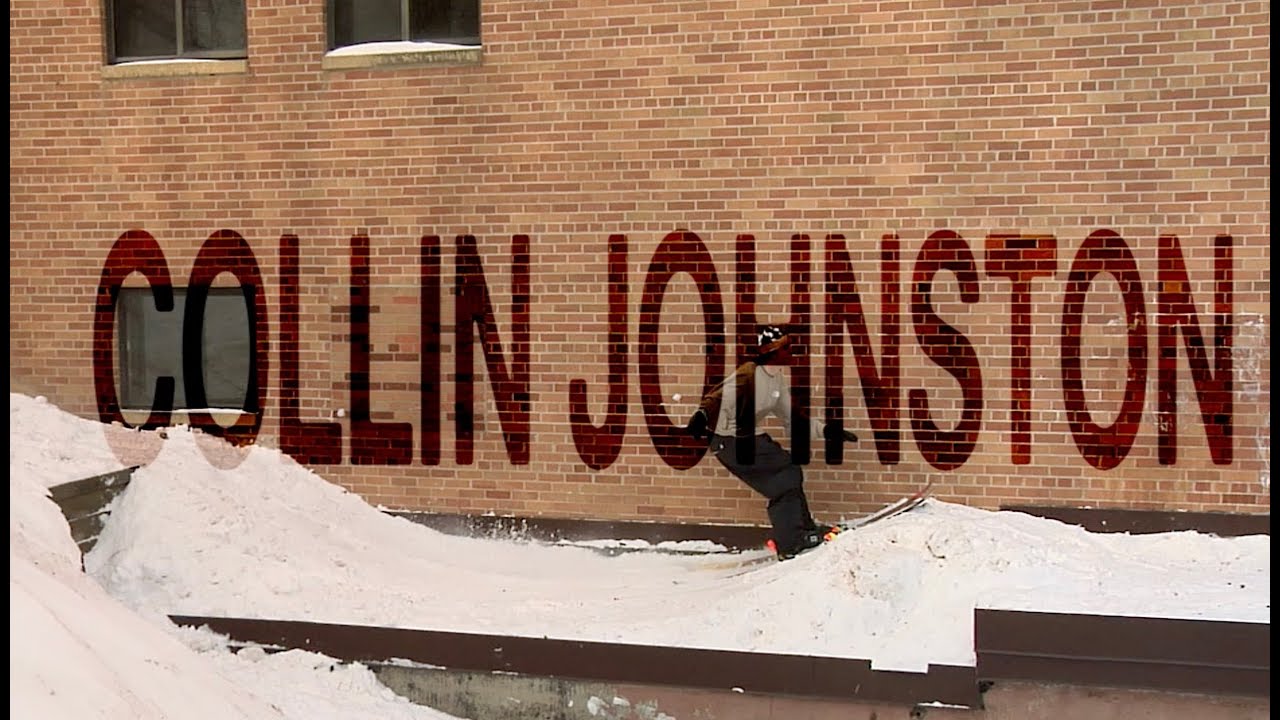
Collin Johnston
Profile and significance
Collin Johnston is a U.S. freeski rider whose name grew through film-first park and street skiing rather than traditional rankings. His wide-angle introduction came as a SuperUnknown 21 finalist with Level 1, earning a week of riding and filming at Mammoth Unbound in April 2024. Since then, Johnston’s clips—often shot on compact rope-tow hills in the Upper Midwest and on larger western parks—have circulated for the same reasons judges reward in slopestyle: clean lock-ins on rails, early grab timing, and speed that stays intact from first feature to last. He rides for Surface Skis, a fit that underscores durable, park-oriented habits. For fans tracking emerging talent, he represents the modern path from internet edits to globally visible sessions without needing a World Cup bib to validate the work.
Competitive arc and key venues
Johnston’s “arc” is anchored to projects and rider-driven gatherings. The inflection point was SuperUnknown 21 with Level 1, where finalists spent six days stacking footage on Mammoth’s features and proving style at pace. That environment—fast snow, long in-runs, and big radii—spotlights takeoff discipline and landing shape, two areas where his clips hold up on rewatch. Away from California, Johnston’s presence in the Midwest scene, including laps at Wisconsin’s Trollhaugen, adds the other half of the equation: thousands of repetitions on short approaches that force accurate edge sets and quick decisions. The conversation between these venues explains why his skiing reads clearly whether the camera is in a rope-tow park or on a major build.
How they ski: what to watch for
Johnston skis with deliberate economy. On rails, approaches are squared early and centered, lock-ins look decisive rather than dramatic, and exits protect line speed into the next setup. You’ll see surface swaps that finish cleanly and presses with shape instead of wobble. On jumps, he favors measured spin speed and full-value grabs that stabilize rotation; axes stay tidy so landings arrive over the feet, not as last-second saves. Directional variety—forward and switch, left and right—appears without breaking cadence. If you study his clips frame by frame, the tell is spacing: each trick creates room for the next one instead of stealing from it.
Resilience, filming, and influence
Johnston’s footprint is strongest on camera. SuperUnknown validated what his edits already suggested and placed him alongside a global crew in a high-frequency filming environment. Post-finals, he has continued to appear in rider-led shorts where line design matters as much as trick lists. That consistency is part of his influence: younger skiers borrow the timing of his presses and the way he keeps shoulders quiet on impact; editors appreciate that his tricks are legible at full speed, so the cut can breathe. It’s a template for building a career that balances park repetition, street execution, and occasional contest-style weeks without sacrificing identity.
Geography that built the toolkit
Place explains his mix of finesse and grit. The compact, rope-tow parks of the Upper Midwest—exemplified by Trollhaugen—produce honest edge angles and quick decisions, especially when laps run late into the night. Those habits carry into larger venues where faster snow and bigger radii demand early grab timing and disciplined axes; the week at Mammoth Unbound made that translation explicit. Link the two and you get a toolkit that survives different snowpacks and feature shapes without changing the way the line reads on camera.
Equipment and partners: practical takeaways
As part of the Surface Skis family, Johnston rides park-ready shapes meant for repeated rail contact and predictable takeoffs. For progressing skiers, the lessons are straightforward: choose a symmetrical or near-symmetrical park ski with reinforced edges and a mount point that supports presses without sacrificing stability; keep edges tuned enough to hold but detuned at contact points to avoid surprise bites on swaps; and maintain fast bases so cadence doesn’t depend on perfect weather. Equipment won’t replace timing, but the right platform makes Johnston-style repeatability possible across long filming days.
Why fans and progressing skiers care
Collin Johnston matters because he turns readable difficulty into watchable segments. The pieces that travel—decisive rail work, held grabs, protected momentum—are the same pieces that make elite slopestyle runs hold up on replay. If you follow freeski to find skiers whose choices you can actually study and apply, keep Johnston on the radar. From rope-tow parks like Trollhaugen to high-profile sessions at Mammoth Unbound, he’s building a body of work that shows how thoughtful line design can carry further than hype.